Safe and Natural DIY Cleaning Solutions for Cat-Friendly Homes
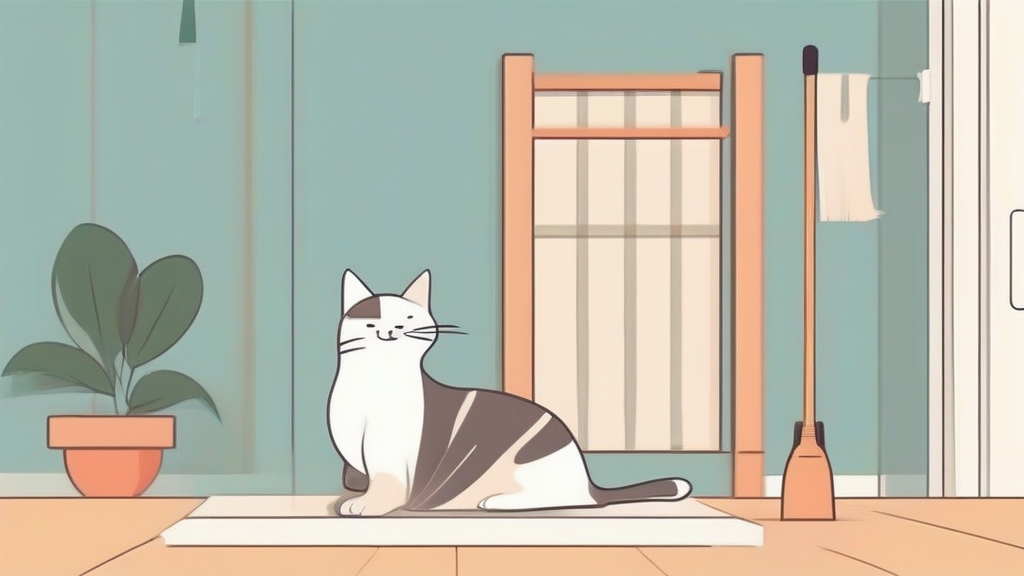
When you bring a new kitten home, prioritizing Sustainable Feline Care: Eco-Friendly Habits for New Kitten Owners is essential for their long-term health. Many conventional household cleaners contain harsh chemicals that can be toxic to curious pets who spend their lives close to the floor.
I learned this the hard way when my first cat started sneezing after I mopped the kitchen. Switching to natural, homemade alternatives isn't just better for the planet; it’s a direct investment in your pet's well-being.
- Avoid common household toxins like ammonia, bleach, and phthalates which can irritate a cat’s sensitive respiratory system.
- Use simple pantry staples like white vinegar, baking soda, and lemon juice to create effective, pet-safe sanitizing solutions.
- Maintain a consistent cleaning routine to minimize dust and allergens, which supports the overall concept of sustainable feline care for new kitten owners.
Understanding Why Conventional Cleaners Fail Our Pets
Cats are masters of grooming. They spend a significant portion of their day licking their fur, which means any residue left on floors, countertops, or fabrics ends up directly in their system. Unlike humans, a cat's liver lacks certain enzymes required to break down many synthetic chemicals found in standard detergents.
If you use a cleaner with essential oils that are toxic to cats—like tea tree, peppermint, or citrus oils—you might be unknowingly poisoning your companion. It’s worth checking your current supplies against a list of pet-safe ingredients before you do your next deep clean.
The Risks of Synthetic Fragrances
We love a home that smells like "Spring Meadow," but those synthetic fragrances are often linked to respiratory distress in felines. Cats have a highly developed sense of smell, and concentrated artificial scents can trigger asthma or chronic irritation.
Opting for fragrance-free or naturally scented options is a pillar of sustainable feline care. If you want a fresh scent, rely on open windows and fresh air rather than chemical-laden sprays.
Essential Ingredients for Your DIY Cleaning Kit
You don't need a degree in chemistry to keep a clean house. Most effective cleaners are sitting right in your kitchen cabinet. These ingredients are affordable, biodegradable, and, most importantly, safe for your four-legged family members.
White Vinegar: The All-Purpose Powerhouse
White vinegar is a staple for a reason. Its high acidity makes it a natural disinfectant that cuts through grease and grime without leaving behind toxic residue. When mixed with water, it serves as an excellent floor cleaner and glass polish.
Don't worry about the smell; it dissipates entirely as it dries. For those who really dislike the vinegar scent, a tiny bit of dried lavender or rosemary can be infused into the solution, but always double-check the safety of any plant material first.
Baking Soda: The Odor Absorber
Baking soda is a miracle worker for pet owners. It acts as a mild abrasive for scrubbing sinks and tubs, and it works wonders for neutralizing odors in litter boxes or on carpets. It is a fundamental tool in the arsenal of sustainable feline care.
Sprinkle it on carpets before vacuuming to lift trapped dander. It’s safe, non-toxic, and incredibly effective at keeping your home smelling fresh without the need for aerosol sprays.
Implementing Sustainable Feline Care: Eco-Friendly Habits for New Kitten Owners
When you are just starting out with a kitten, it is easy to get overwhelmed by the sheer amount of "pet-specific" products on the market. Many of these are just rebranded versions of standard cleaners with a higher price tag. Embracing a DIY approach helps you stay in control of exactly what touches your cat’s paws.
Creating a Routine That Lasts
Consistency is key when you want to maintain a clean home without the stress. I find that doing small, targeted cleaning sessions is far more manageable than a massive weekend deep-clean. This also prevents the buildup of pet hair and dust, which are common triggers for feline allergies.
Keep your supplies in a designated spot, but ensure they are stored in a cabinet your cat cannot open. Even natural ingredients shouldn't be ingested in large quantities by a mischievous kitten.
Safe Cleaning Strategies for Every Room
Every surface in your home requires a slightly different approach. By tailoring your methods, you ensure that your home remains a sanctuary rather than a chemical hazard zone.
Floor Care Without the Toxins
Floors are where your cat spends most of their time. Avoid heavy-duty floor cleaners that require rinsing. A simple mixture of one part white vinegar to four parts warm water is usually sufficient for most hard surfaces. It’s gentle on paws and safe if they decide to lick the floor after a meal.
For carpets, focus on vacuuming regularly. A vacuum with a HEPA filter will capture the fine dander that often lingers in textile fibers. This keeps the air quality high and reduces the need for chemical sprays.
Managing Pet Messes Naturally
Accidents happen, especially with new kittens. When dealing with urine or vomit, enzymatic cleaners are the gold standard. While you can buy these, you can also make a natural version using a mixture of baking soda and hydrogen peroxide for spot treatments. Always test a small, hidden area of your rug first to ensure the solution doesn't cause discoloration.
Pro-tip: If a stain is fresh, blot it up with a paper towel immediately before applying any solution. The less moisture that soaks into the padding, the easier it is to remove the odor completely.
Final Thoughts on Eco-Friendly Living
Transitioning to natural cleaning habits is one of the most rewarding parts of being a pet parent. You are creating a space that is safe for your cat and better for your own health. It takes a little extra effort to mix your own solutions, but the peace of mind is worth every second.
Start with one or two swaps this week. Replace your floor cleaner with the vinegar solution, or switch to baking soda for your carpet deodorizing. Your cat will appreciate the cleaner air and the toxin-free surfaces, and you'll love the simplicity of a greener home.
Frequently Asked Questions (FAQ)
Is white vinegar safe to use around kittens?
Yes, white vinegar is completely safe when used as a cleaning agent. Once it dries, the odor disappears, and it leaves no harmful residue behind for your kitten to ingest.
What are the most dangerous household cleaners for cats?
Avoid any products containing bleach, ammonia, formaldehyde, or concentrated essential oils like tea tree, pine, or citrus, as these can be highly toxic to cats.
How often should I clean my home to keep it pet-safe?
Aim for a light cleaning session once or twice a week. Regular vacuuming and wiping down surfaces with natural, pet-safe solutions will prevent the buildup of toxins and allergens.
Post a Comment for "Safe and Natural DIY Cleaning Solutions for Cat-Friendly Homes"