The Impact of Littermate Separation on Kitten Behavioral Growth
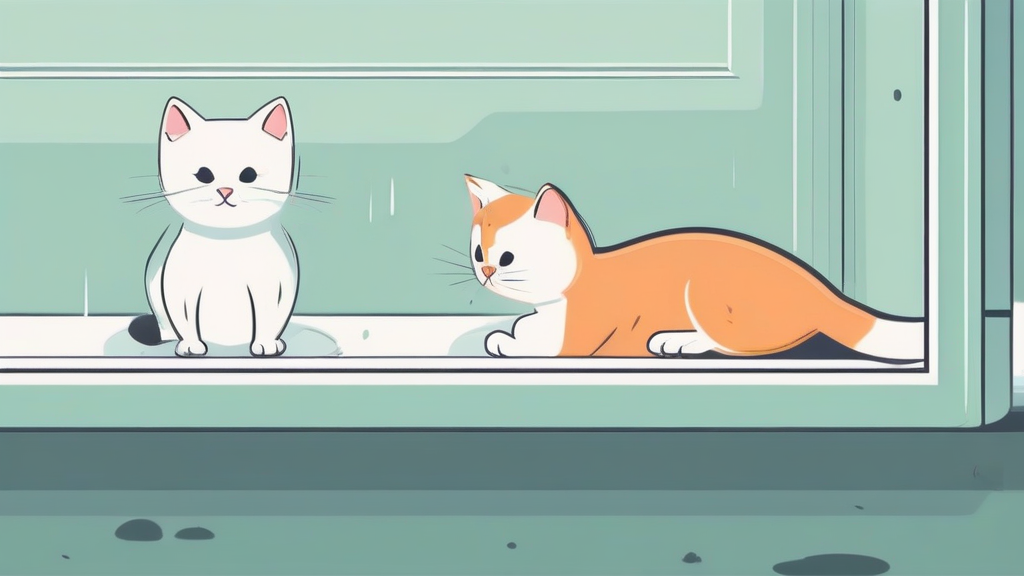
Understanding Kitten Socialization Science: Beyond Just Playing with Other Pets
When we talk about Kitten Socialization Science: Beyond Just Playing with Other Pets, we are really looking at the foundational architecture of a cat’s personality. Many prospective owners assume that as long as a kitten is fed and kept warm, their social needs are met. However, the period between four and twelve weeks of age is a critical developmental window where the presence of littermates acts as a primary teacher for social norms and emotional regulation.
I have spent years observing rescue litters, and the difference between a kitten raised with siblings versus one isolated too early is often stark. Those early weeks are not just about burning off energy; they are about learning the language of feline interaction.
- Early separation from littermates often leads to "Single Kitten Syndrome," characterized by increased aggression, biting, and poor impulse control.
- The period between 8 and 12 weeks is vital for learning bite inhibition and how to read feline body language.
- Socialization is a biological necessity that prepares a cat for long-term emotional stability in a human household.
The Biological Necessity of Sibling Interaction
Why do kittens need to wrestle, chase, and tumble with their brothers and sisters? It isn’t merely play. This interaction is the training ground for cat intelligence and social hierarchy. When a kitten bites a sibling too hard, that sibling reacts—they hiss, swat, or walk away. This immediate, natural feedback loop teaches the biter that their actions have consequences.
Without a littermate to provide this feedback, a kitten may never learn to control their predatory instincts. Humans often try to substitute for this by using their hands as toys, which is a significant mistake. If you teach a kitten that your skin is a chew toy, you are essentially reinforcing aggressive habits that become dangerous as the cat grows into adulthood.
The Role of Maternal Guidance
The mother cat, or queen, is the ultimate arbiter of behavior. She sets boundaries. When a kitten gets too rough, the queen will physically correct them. This maternal discipline, combined with sibling play, creates a well-rounded individual. Removing a kitten from this environment before they have reached the 12-week mark effectively cuts short their formal education in feline social etiquette.
I’ve seen kittens removed at six weeks of age who, months later, still struggle to understand when a human wants to stop playing. They never learned the "stop" signal because they were never forced to respect the boundaries of their peers.
Long-Term Effects of Early Separation
The behavioral impact of early separation is rarely immediate. It often manifests as anxiety or reactivity as the cat reaches social maturity. A cat that was separated too early may develop an insecure attachment style to their owner. They might become overly clingy or, conversely, highly reactive to sudden movements and sounds.
This is where Kitten Socialization Science: Beyond Just Playing with Other Pets becomes so critical for owners. You aren't just looking at a "naughty" cat; you are looking at a cat that missed a vital developmental milestone. Dealing with these behaviors requires patience and a deep understanding of animal behavior modifications, which is far more difficult than simply allowing the kitten to stay with their litter until the appropriate age.
Signs of Developmental Deficits
How do you spot a cat that didn't get enough "sibling time"? Look for these common indicators:
- Inappropriate Play Aggression: The cat stalks and attacks ankles or hands without provocation.
- Extreme Sensitivity: The cat becomes easily overstimulated by touch, leading to sudden bites or scratches.
- Lack of Confidence: The cat hides frequently or shows signs of chronic stress in new environments.
- Vocalizing Excessively: Often a sign of separation anxiety rooted in early isolation.
Practical Strategies for Owners
If you have already adopted a kitten that was separated early, don't panic. While you cannot replicate the exact experience of a littermate, you can provide structure that mimics the lessons they missed. The goal is to provide consistent, predictable, and calm interactions.
Never use your hands as toys. This is the golden rule. Always use a wand toy or a stuffed animal to engage the kitten. By placing an object between your skin and their teeth, you allow them to express their predatory drive without hurting you. This teaches them that "play" happens with objects, not people.
Furthermore, provide plenty of vertical space. Cats feel more secure when they can survey their environment from a height. A cat that feels safe is a cat that is less likely to resort to defensive aggression. Routine is your best friend here. Feed them at the same time, play at the same time, and offer quiet, dark spaces for them to retreat to when they feel overwhelmed.
The Importance of Enrichment
Enrichment goes beyond just buying the latest cat tree. It is about stimulating the cat's mind in a way that burns off excess energy. If a kitten has too much pent-up energy, they will naturally look for ways to release it—often by attacking you or your furniture.
Puzzle feeders are a fantastic way to keep a cat mentally occupied. When they have to "work" for their food, it mimics the natural hunting process. This reduces boredom and keeps their focus on constructive activities. I find that even simple changes, like rotating toys every few days, can keep a cat engaged and prevent the development of destructive habits.
Pro-Tip: If your kitten is biting, do not yell or use physical punishment. Simply stop the interaction immediately. Walk away and ignore them for a few minutes. This "social timeout" is the most effective way to communicate that biting ends the fun.
Why Waiting Matters
There is a persistent myth that kittens are "ready" to leave their mothers at six or eight weeks. While they might be physically weaned from milk, they are nowhere near emotionally independent. Breeders and shelters that prioritize the welfare of the animal will almost always wait until the 12-week mark.
During these extra four weeks, the kitten gains a massive amount of confidence. They explore more, they interact more, and they learn the nuances of feline communication. As an owner, your job is to support this growth, not to rush it. If you are looking to adopt, ask about the kitten's history. If they were separated early, be prepared to invest the extra time into their behavioral training.
Ultimately, the goal is a harmonious relationship. By respecting the science of their development, we set our feline companions up for a lifetime of success. It is a small sacrifice in time to ensure they grow into well-adjusted, confident, and loving members of the family.
Frequently Asked Questions (FAQ)
Can I adopt just one kitten if they were separated early?
Yes, but be prepared for the extra work. You will need to provide significant mental enrichment and consistent, firm boundaries to make up for the lack of sibling interaction. Many people find that adopting a second, slightly older, and well-adjusted cat can help the younger kitten learn proper social skills through observation.
Is it ever too late to correct "Single Kitten Syndrome"?
It is never too late to improve a cat's behavior, though it requires patience. Older cats are still capable of learning, especially through positive reinforcement. Focus on redirecting their energy toward appropriate toys and rewarding calm behavior with treats.
Why do kittens bite so much in the first few months?
Biting is a natural part of play and exploration. In a litter, siblings teach each other how hard is "too hard." When a kitten is alone, they lack this teacher, so they often bite humans because they don't know any better. Consistent redirection to toys is the most effective way to stop this behavior.
Post a Comment for "The Impact of Littermate Separation on Kitten Behavioral Growth"