The Future of Feline Care: Innovations in Sustainable Pet Products
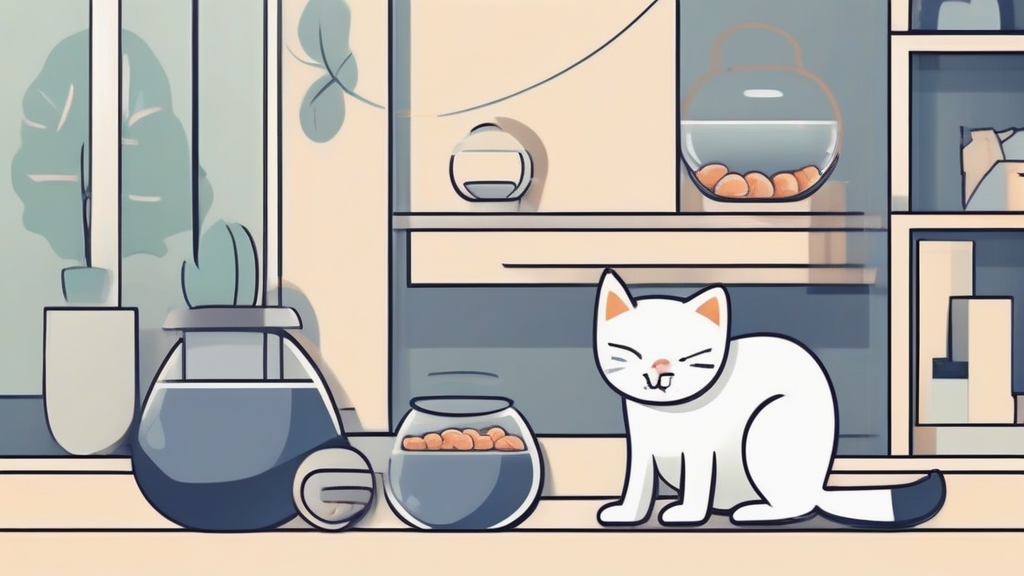
Adopting a new companion is a joy, but practicing Sustainable Feline Care: Eco-Friendly Habits for New Kitten Owners is a responsibility that carries significant weight for our planet. As I watched my own kitten chase a moth across the living room, I realized how much waste the average pet lifestyle generates, from plastic packaging to non-biodegradable litter. It is time we shift our perspective on what it means to be a modern, conscious cat guardian.
Executive Summary: Key Takeaways
- Prioritizing biodegradable litter and sustainable materials reduces your household's overall environmental impact.
- Conscious purchasing of cat food and supplies supports companies committed to ethical manufacturing and supply chain transparency.
- Small, incremental changes in your daily routine create a significant positive ripple effect for the environment over your cat's lifetime.
The Environmental Impact of Modern Pet Ownership
Every bag of litter and every plastic toy adds up. The pet food industry alone accounts for a massive amount of carbon emissions, primarily due to the production of animal proteins. If we want to move toward a greener future, we have to scrutinize our consumption habits.
I started by looking at my cat’s daily footprint. The sheer volume of clay-based litter heading to the landfill was staggering. Most traditional clay litters are strip-mined, a process that destroys habitats and creates massive dust pollution. Switching to renewable alternatives, such as wood pellets or corn-based fibers, feels like a small win, but it is a vital step in the right direction.
Sustainable Feline Care: Eco-Friendly Habits for New Kitten Owners
New kitten owners are in a unique position to set the tone for a lifetime of green habits. When you are just starting out, you have the chance to choose products that align with your values before your cat gets set in their ways. It is much easier to introduce a sustainable scratching post now than to try and replace a favorite, albeit plastic-heavy, one later.
Choosing Biodegradable Litter Solutions
Litter is the biggest waste contributor in most cat households. Traditional clay litters are heavy, energy-intensive to transport, and never decompose. Instead, look for litters made from wheat, pine, or even recycled paper. These options are often compostable—though you should check local regulations regarding compost and cat waste—and they are significantly lighter on the planet.
I found that my kitten actually preferred the texture of natural pine pellets. It was a pleasant surprise that helped me move away from the chemical-heavy clumping litters of my past. Plus, the natural scent of pine is much more inviting than the synthetic, overpowering perfumes found in standard store brands.
Ethical Sourcing for Cat Nutrition
Protein is essential for felines, but the sourcing matters. Look for brands that prioritize sustainable fishing practices or those that use by-products that would otherwise go to waste. Some innovative companies are even experimenting with insect-based proteins, which require a fraction of the land and water that traditional livestock farming consumes.
Reading labels is your best defense against greenwashing. If a brand doesn't list where their ingredients come from or fails to mention their environmental certifications, they might not be as green as their packaging suggests. Seek out companies that use recyclable steel cans or compostable pouches rather than multi-layered plastic bags that are impossible to recycle.
Innovative Toys and Enrichment
We often buy plastic toys that end up in the trash after a few weeks of play. Instead, look for toys made from natural fibers like sisal, wool, or organic cotton. These materials are durable, non-toxic, and eventually break down naturally at the end of their lifecycle.
DIY projects are another fantastic way to practice sustainability. A simple cardboard box can provide hours of entertainment for a curious kitten, and it is entirely recyclable. Engaging your kitten with homemade puzzle feeders not only reduces plastic waste but also encourages natural hunting behaviors that keep them mentally sharp.
The Long-Term Value of Green Choices
Is sustainable living more expensive? Sometimes, yes. However, investing in high-quality, durable items often saves money in the long run. A sturdy wooden cat tree might cost more upfront than a carpet-covered plastic one, but it will last for years, whereas the cheap version will likely be in a landfill within eighteen months.
Think about the health benefits, too. Many plastic products off-gas volatile organic compounds, which can be harmful to small animals with sensitive respiratory systems. By choosing natural materials, you are not just helping the Earth; you are creating a healthier sanctuary for your feline friend.
Key Takeaway: The Lifecycle PerspectiveAlways consider the end-of-life for any product you purchase. If it cannot be recycled, composted, or safely reused, it will eventually become waste. Prioritizing circularity is the cornerstone of responsible pet ownership.
Building a Sustainable Routine
Consistency is key. I keep a dedicated bin for recyclable pet packaging and try to bulk-buy supplies to reduce the shipping frequency—and the associated fuel emissions. It is about making conscious decisions, not achieving perfection overnight.
Ask yourself if your cat really needs that new accessory. Often, we buy things because they look cute, not because they fulfill a functional need. By slowing down our consumption, we naturally live more sustainably. Your kitten doesn't care about the brand or the aesthetic of their toys; they care about the time you spend playing with them.
Frequently Asked Questions (FAQ)
Is it safe to use compostable cat litter?
Most plant-based litters are safe and effective. However, avoid composting waste from cats, as it may contain pathogens like Toxoplasma gondii, which can persist in home compost piles. Always dispose of cat waste in the trash unless you have a specialized, high-heat industrial composting system.
How can I tell if a pet food brand is truly sustainable?
Look for third-party certifications like the Marine Stewardship Council (MSC) for fish products or B-Corp status for companies. Transparent supply chains and clear labeling regarding the origin of ingredients are strong indicators of a brand's commitment to sustainability.
Are eco-friendly toys durable enough for a kitten?
Absolutely. Natural materials like sisal, hemp, and heavy-duty wool are often more resilient than cheap, mass-produced plastic toys. They withstand sharp claws well and are much safer if your kitten accidentally ingests small fibers, as they are non-toxic and biodegradable.
Your journey toward a more sustainable home doesn't have to be overwhelming. Start with one change, observe how your cat responds, and build from there. Whether you switch to a more sustainable litter or opt for natural fiber toys, every choice makes a difference. Join the growing community of cat guardians who are proving that love for our pets and love for our planet go hand in hand.
Post a Comment for "The Future of Feline Care: Innovations in Sustainable Pet Products"