Ethical Sourcing of Feline Protein: A Guide for Conscious Cat Parents
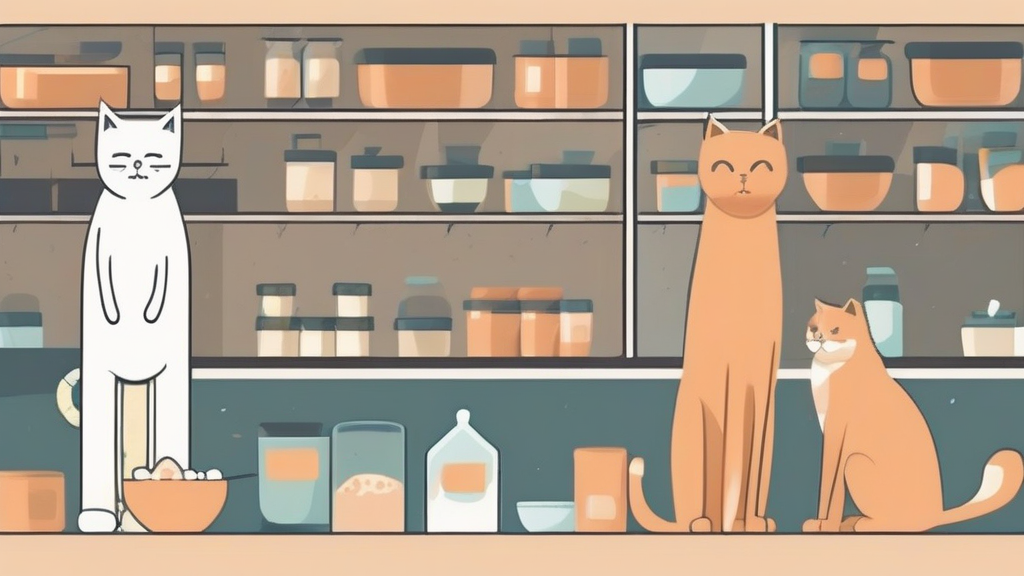
Adopting a new kitten brings joy, but prioritizing Sustainable Feline Care: Eco-Friendly Habits for New Kitten Owners is essential for a greener future. As a dedicated cat parent, I have spent years researching how our pets' diets impact the planet without compromising their health.
Cats are obligate carnivores, which means they require specific nutrients found only in animal tissue. Balancing this biological necessity with the environmental cost of meat production is a challenge many of us face today. Let's look at how we can make better choices for our feline companions.
- Prioritize high-quality protein sources that utilize by-products or invasive species to reduce waste.
- Implement zero-waste strategies for litter and toys to minimize the household carbon footprint.
- Choose brands with transparent supply chains and certifications to ensure ethical standards are met.
The Environmental Impact of Feline Nutrition
The pet food industry is a massive contributor to global carbon emissions. Because our cats thrive on meat, the demand for beef, chicken, and fish creates a significant ecological load. Understanding trophic levels helps us realize that feeding pets higher up the food chain requires more land, water, and energy.
When you walk down the pet food aisle, the sheer volume of plastic packaging and processed meat is staggering. Many of these products rely on factory farming practices that prioritize volume over animal welfare and environmental health. As conscious owners, we need to shift our focus toward brands that utilize regenerative agriculture or ethically sourced proteins.
It is not just about the meat itself; it is about how it is harvested. By choosing companies that prioritize local sourcing or utilize sustainable fishing practices, we can significantly lower the impact of our cats' daily meals.
Understanding Sustainable Feline Care: Eco-Friendly Habits for New Kitten Owners
Starting your journey with a new kitten is the perfect time to build eco-friendly routines. Kittens are highly adaptable, making it easier to transition them to sustainable diets early on. Focus on brands that provide clear documentation regarding where their ingredients originate.
Beyond food, consider the litter box. Traditional clay litter is strip-mined, which destroys habitats and causes long-term environmental damage. Switching to biodegradable options like wood pellets, wheat, or recycled paper is a simple step that yields massive benefits for the planet.
Ethical Sourcing of Protein
Not all proteins are created equal. The most ethical choice is often one that utilizes parts of the animal that humans typically do not consume. This practice, known as using animal by-products, is actually highly efficient and helps prevent food waste in the human supply chain.
However, quality matters. You want to ensure that these by-products are nutrient-dense and safe. Look for labels that specify the exact source of the protein rather than vague terms like "meat meal." Transparency is the gold standard for any pet food manufacturer worth your money.
The Role of Novel Proteins
Have you considered rabbit, duck, or even insect-based proteins? Novel proteins are becoming popular because they are often more sustainable than traditional beef or chicken. Insects, for example, require a fraction of the water and land space to produce the same amount of protein as livestock.
While it might sound unusual to feed your cat cricket-based kibble, these products are often formulated to meet the exact cat food standards established by veterinary nutritionists. They are hypoallergenic, nutrient-rich, and incredibly gentle on the environment.
Practical Tips for the Eco-Conscious Home
Living sustainably with a cat doesn't mean sacrificing their comfort. Small changes in your daily routine can add up to a significant positive impact. Start by auditing your current waste output.
- Switch to compostable litter bags instead of standard plastic.
- Buy food in bulk to reduce packaging waste.
- Choose toys made from natural, renewable materials like hemp or organic cotton.
- Avoid plastic bowls; opt for stainless steel or ceramic which last a lifetime.
Sustainability is a marathon, not a sprint. Small, consistent changes in the products you buy for your kitten will have a compounding effect over the course of their long, healthy life.
Remember that your purchasing power as a consumer dictates market trends. When you support small, ethical companies, you signal to the industry that consumers demand better standards. This is how we push the entire pet industry toward a more sustainable future.
Frequently Asked Questions (FAQ)
Can kittens handle a sustainable diet transition?
Yes, kittens are generally adaptable. Always consult your veterinarian before making a major dietary shift to ensure the new food meets their specific growth requirements.
Is insect-based protein safe for cats?
Yes, high-quality insect protein is rich in amino acids and highly digestible for cats. It is an excellent, low-impact alternative to traditional livestock.
How do I know if a pet food brand is truly ethical?
Look for third-party certifications, transparent ingredient lists, and clear communication about their supply chain. Avoid companies that use vague terminology or refuse to disclose ingredient origins.
Taking care of a kitten is a serious commitment, but it is also an opportunity to align your lifestyle with your values. By choosing sustainable options, you are ensuring a better world for your cat and for the planet. Start today, one bowl at a time.
Post a Comment for "Ethical Sourcing of Feline Protein: A Guide for Conscious Cat Parents"