Where to Find Eco-Friendly Kitten Vaccination and Wellness Clinics
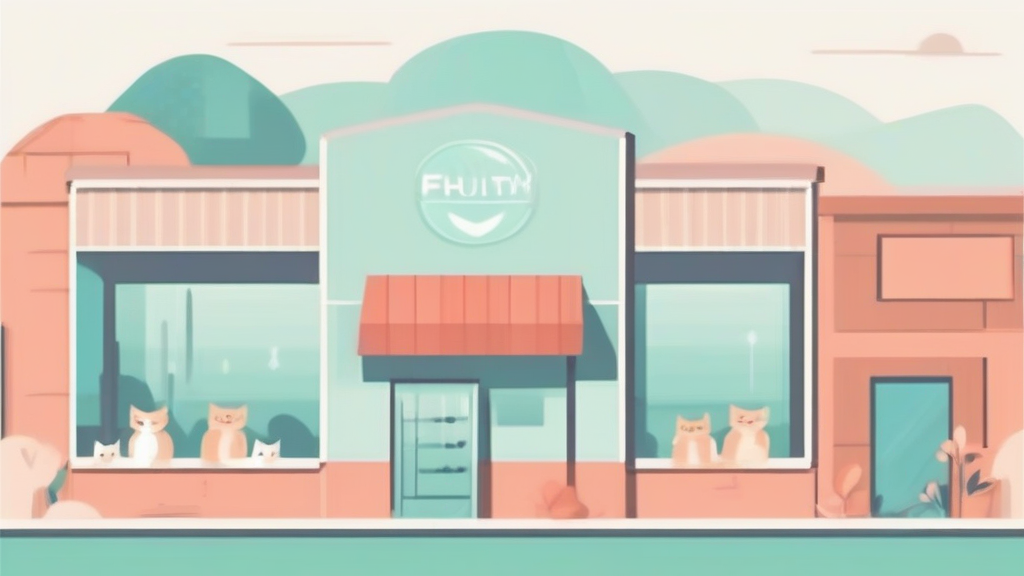
Embracing Sustainable Feline Care: Eco-Friendly Habits for New Kitten Owners
Bringing a tiny, purring bundle of joy into your home is a major life event, but practicing Sustainable Feline Care: Eco-Friendly Habits for New Kitten Owners is how we ensure that our love for pets doesn't come at a cost to the planet. I remember the first time I brought my kitten home; I was overwhelmed by the sheer amount of plastic packaging, disposable pads, and non-recyclable toys that seemed to come with the territory. It didn't sit right with my values.
Finding a veterinary clinic that aligns with these values can feel like a scavenger hunt. You want top-tier medical care, but you also want to support businesses that prioritize energy efficiency, waste reduction, and ethical sourcing. It is possible to balance your kitten's health with a lighter environmental footprint.
Key Takeaways:
- Prioritize clinics that offer digital medical records to reduce paper waste.
- Look for veterinary practices that participate in pharmaceutical take-back programs to prevent chemical runoff.
- Adopt a "less is more" approach to kitten wellness by choosing durable, non-toxic supplies and local, ethical preventative care.
How to Identify Eco-Conscious Veterinary Clinics
Not every clinic puts "eco-friendly" on their sign, but that doesn't mean they aren't practicing it. When you are scouting for a vet, start by looking at their operational transparency. Do they use digital check-in systems? Are they mindful of their electricity usage?
A truly green clinic often goes beyond the basics. They might use LED lighting, have a robust recycling program for medical supplies, or even source their energy from renewable providers. When you call to schedule that first round of shots, ask about their waste management protocols. It might catch them off guard, but a forward-thinking practice will appreciate your diligence.
The Importance of Localized Veterinary Care
Reducing your carbon footprint starts with the commute. Driving thirty minutes to a "trendy" vet clinic might seem like a good idea, but the emissions from your car add up quickly. Finding a high-quality clinic in your immediate neighborhood is the ultimate form of sustainable pet ownership. It keeps your carbon emissions low and supports your local economy.
Beyond the drive, consider the veterinary medicine practices they employ. Are they using antibiotics and vaccines judiciously? Over-prescription is a massive issue in modern pet care, leading to environmental contamination when these substances are excreted by the animal. A great vet will discuss the necessity of every treatment with you.
Integrating Sustainable Feline Care: Eco-Friendly Habits for New Kitten Owners at Home
Wellness isn't just about what happens in the exam room. It’s about the daily habits you establish. From the food you put in their bowl to the litter you scoop, your choices matter. If you are starting your journey, focus on low-impact essentials.
Consider the litter box. Traditional clay litter is often strip-mined, which is a devastating process for local ecosystems. Switching to a biodegradable option—like wheat, corn, or recycled paper—is one of the easiest changes you can make. It’s compostable, renewable, and usually much safer for your kitten’s respiratory health.
Choosing Non-Toxic and Durable Supplies
Kittens are notorious for chewing on everything. When you buy toys, avoid cheap, mass-produced plastic that will end up in a landfill within a week. Opt for natural materials like hemp, organic cotton, or sisal. These materials are not only better for the environment, but they are also free from the synthetic dyes and chemicals found in many commercial pet products.
Think of your kitten's wellness supplies as an investment. A sturdy, scratching post made from sustainable wood will last years, whereas a cheap cardboard one will need to be replaced constantly. Quality over quantity is the golden rule here.
Managing Vaccinations and Preventative Care Responsibly
Vaccinations are non-negotiable for a healthy kitten, but there is a way to manage them sustainably. Talk to your vet about vaccine titers. These blood tests measure the level of antibodies in your kitten’s system, allowing you to avoid unnecessary "booster" shots if your cat is still protected.
This approach minimizes the amount of chemical waste entering the environment and saves you money. It is a win-win situation. Always ask your vet if they have a plan for disposing of sharps and medical waste safely. Responsible clinics will have professional waste management services that prevent these items from ending up in our oceans or landfills.
Pro-Tip: Always keep a digital folder of your kitten’s health records. Not only does this save paper, but it also makes it much easier to share information with specialists or emergency vets if you ever need to travel.
Building a Sustainable Future for Your Pet
Transitioning to a more sustainable lifestyle with your pet doesn't happen overnight. It’s a series of small, intentional choices. By supporting clinics that value the environment and choosing products that don't harm the planet, you are setting your kitten up for a long, healthy life.
The bond you build with your cat is strengthened when you know you are doing your part for their future. Keep asking questions, stay curious, and prioritize the well-being of your furry friend alongside the health of our shared home. You are making a difference, one purr at a time.
Frequently Asked Questions (FAQ)
How can I tell if my local vet is truly eco-friendly?
Look for clinics that minimize paper use through digital records, use energy-efficient lighting, and have clear protocols for the safe disposal of medical waste and chemicals.
Is it safe to use biodegradable cat litter for kittens?
Yes, most natural, clumping biodegradable litters are safe, but ensure they are dust-free. Avoid scented litters, as the chemicals can irritate a kitten's sensitive respiratory system.
Are there sustainable alternatives to commercial cat toys?
Absolutely. You can use DIY toys made from old t-shirts, cardboard boxes, or natural sisal rope. These are free, plastic-free, and often more engaging for a curious kitten.
Post a Comment for "Where to Find Eco-Friendly Kitten Vaccination and Wellness Clinics"