Are Organic Cat Foods Healthier? A Nutritional Deep Dive for Kitten Owners
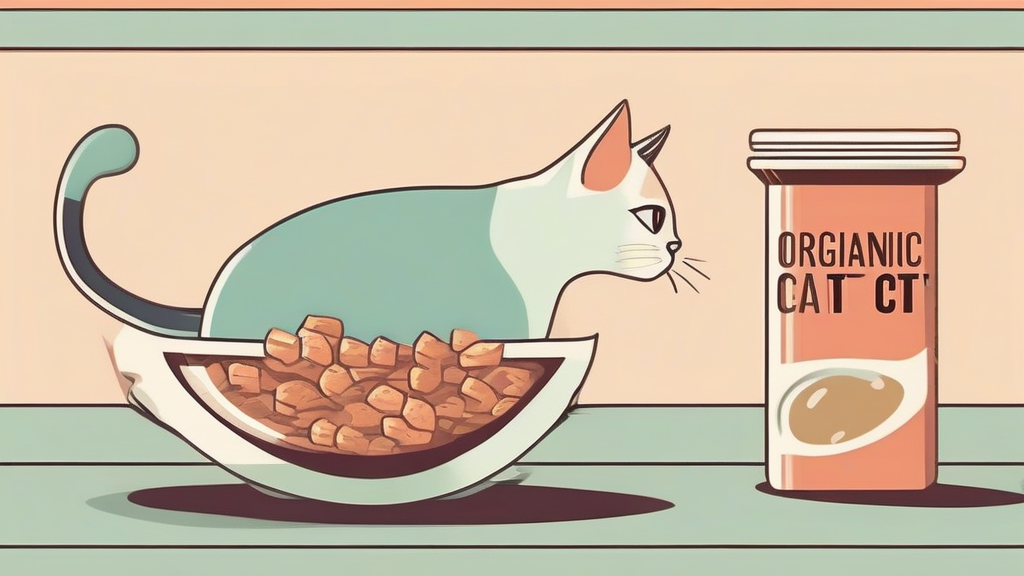
Adopting a new kitten requires Sustainable Feline Care: Eco-Friendly Habits for New Kitten Owners, starting with the bowl. As a dedicated cat parent, you naturally want the absolute best for your growing companion, and the supermarket aisles can feel like a minefield of labels and claims.
Is organic really better, or is it just clever marketing designed to inflate the price tag? Understanding what goes into your kitten's body is the first step toward a long, vibrant life. Let’s break down the science behind the organic label and what it actually means for your pet's development.
Executive Summary
- Organic certification ensures ingredients are produced without synthetic pesticides or fertilizers, but it does not automatically guarantee superior nutritional balance for kittens.
- Kittens have specific metabolic requirements for taurine, calcium, and protein that must be met regardless of the "organic" status of the food.
- Prioritizing high-quality animal protein remains the most critical factor in feline health, far outweighing the importance of organic labeling alone.
Understanding the Organic Label in Pet Nutrition
When you see "organic" on a cat food label, it refers to how the ingredients were grown or raised. It implies that the crops were not sprayed with synthetic pesticides and that the livestock were not treated with antibiotics or growth hormones. For many, this sounds like the gold standard of health.
However, the label does not strictly define the nutritional adequacy of the meal. A product can be organic and still be poorly balanced for a growing kitten. Kittens are obligate carnivores, meaning they rely on nutrients found only in animal tissue to thrive, such as taurine. If an organic recipe relies too heavily on plant-based fillers, your kitten might miss out on these essential building blocks.
The Role of Ingredients in Sustainable Feline Care
Sustainable Feline Care: Eco-Friendly Habits for New Kitten Owners involves more than just reading the front of the package. You need to flip that bag over and look at the ingredient deck. The first ingredient should always be a named animal protein, such as chicken, turkey, or salmon.
Organic labels are a fantastic bonus if the nutritional profile is solid, but they shouldn't be the deciding factor. If you are choosing between a non-organic food with high-quality meat and an organic food that is grain-heavy, the non-organic option is often the smarter choice for your kitten’s growth.
Nutritional Requirements for Rapid Growth
Kittens grow at an astonishing rate during their first year. They need a higher concentration of calories, fat, and protein compared to adult cats. Their bodies are busy building bone density and developing muscle mass, which requires a precise ratio of minerals.
When looking for food, ensure it is specifically formulated for "Growth" or "All Life Stages." This is a regulatory requirement that ensures the food meets the standards set by organizations like AAFCO. Organic labels do not bypass these safety and nutritional benchmarks.
Why Protein Quality Matters More Than Labels
Think of protein as the foundation of your kitten's house. If the foundation is weak, the rest of the structure suffers. High-quality protein provides the amino acids necessary for everything from immune function to coat health.
Many "natural" or "organic" brands use pea protein or corn gluten to boost protein numbers on the label. While these are plant-based and often organic, they lack the complete amino acid profile that kittens need. Always prioritize the bioavailability of the protein over the marketing buzzwords.
Eco-Friendly Habits for the Conscious Kitten Owner
Being an eco-conscious pet owner is a balancing act. It is not just about the food; it is about the entire lifestyle you provide. Sustainable choices help the planet while ensuring your kitten lives in a healthy environment.
Consider the packaging of the food you buy. Can it be recycled? Many premium pet food brands are now moving toward recyclable bags or partnering with programs that take back hard-to-recycle materials. This is a simple way to reduce your carbon pawprint.
Reducing Waste in Your Feline Household
Waste management is a significant part of the equation. Standard clay litters are often strip-mined and do not biodegrade, which poses environmental concerns. Switching to renewable, wood-based, or corn-based litter is an easy transition that keeps your home clean and supports sustainable agriculture.
Think about the toys you purchase, too. Avoid mass-produced plastic toys that break easily and end up in landfills. Opt for durable, natural materials like hemp, sisal, or organic cotton. Your kitten will likely enjoy them just as much, and they are much safer for the environment in the long run.
The Truth About Additives and Preservatives
One major advantage of organic cat food is the exclusion of synthetic preservatives like BHA, BHT, and ethoxyquin. These chemicals are often used in lower-end commercial foods to extend shelf life.
While the long-term effects of these additives are still debated, many owners prefer to avoid them entirely. If you want to feed your kitten a diet free from these substances, organic food is a reliable way to ensure you aren't bringing them into your home. However, you can also find high-quality, non-organic brands that use natural preservatives like mixed tocopherols (Vitamin E).
Key Takeaway: Always inspect the ingredient list for specific protein sources and avoid generic terms like "meat by-products" or "animal meal," regardless of whether the food is labeled organic or conventional.
Is the Cost Worth It?
Let's talk money. Organic cat food is almost always more expensive. As a new kitten owner, you are likely already spending quite a bit on vet visits, vaccinations, and gear. Is the extra cost of organic food justified?
If your budget allows, opting for organic food can be a great way to support ethical farming practices and reduce your kitten's exposure to pesticides. But if the high price tag means you have to compromise on the quality of the primary protein source, it is better to choose a premium, non-organic food that hits all the nutritional marks.
Remember that the most important factor in your kitten's health is consistent, high-quality nutrition that supports their specific life stage. The cat food industry is vast, and there are excellent options available across a range of price points and labels.
Conclusion
Feeding your kitten is an intimate part of the bond you share. While organic labels can provide peace of mind regarding farming practices and synthetic chemicals, they are not a substitute for a nutritionally complete diet. Your focus should remain on high-quality, animal-based proteins and the specific needs of a growing animal.
By making informed choices about food, litter, and toys, you are setting your kitten up for a lifetime of health while keeping your household footprint small. Take your time to read labels, observe how your kitten thrives on their diet, and consult with your veterinarian if you have specific concerns about their growth. Your thoughtful approach today builds the foundation for their tomorrow.
Frequently Asked Questions (FAQ)
Does organic cat food contain more protein than regular food?
No, the organic label does not dictate protein content. A food's protein level is determined by the manufacturer's recipe. You must check the guaranteed analysis on the back of the package to compare protein percentages.
Can I feed my kitten organic human food?
It is generally not recommended. Kittens have very specific nutritional requirements, including precise levels of calcium, phosphorus, and taurine that are difficult to balance with home-cooked meals. Always stick to commercial diets formulated specifically for kitten growth.
Are there eco-friendly alternatives to traditional kitten food?
Yes, look for brands that prioritize sustainable sourcing, such as wild-caught fish or meats raised on regenerative farms. Additionally, choosing brands that use recyclable packaging or operate with carbon-neutral shipping can help you maintain sustainable habits.
Post a Comment for "Are Organic Cat Foods Healthier? A Nutritional Deep Dive for Kitten Owners"