Top-Rated Kitten Carriers for Stress-Free Veterinary Visits
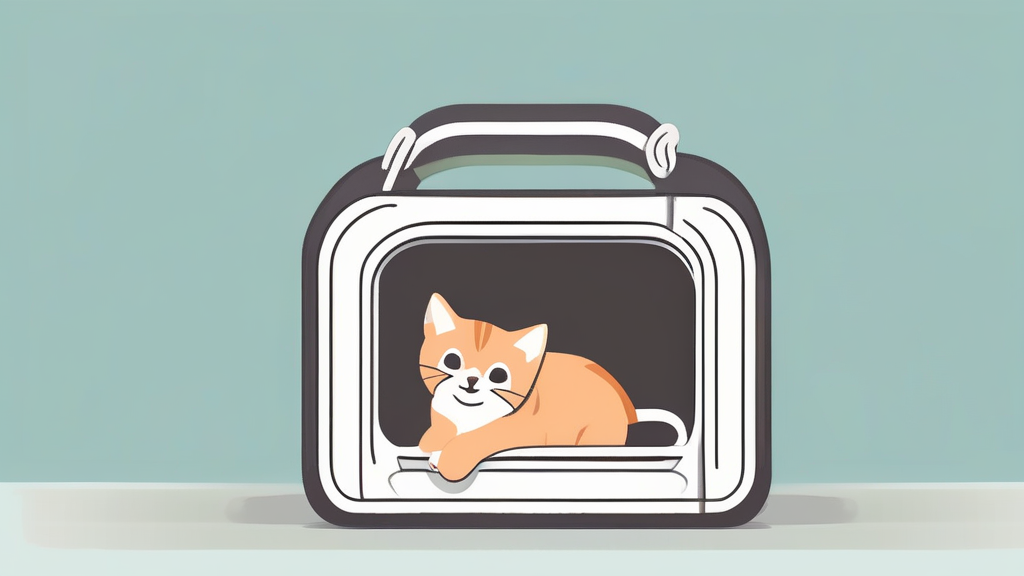
Mastering the Art of the Stress-Free Vet Visit
When it comes to raising a feline companion, Kitten Socialization Science: Beyond Just Playing with Other Pets is the missing link most owners overlook until it is too late. You might think socialization is just about letting your fur baby meet the dog or the neighbor's kids, but it actually encompasses how they handle the world—including that dreaded trip to the clinic.
I remember my first kitten, Luna. The moment I brought out the plastic crate, she turned into a furry tornado. That experience taught me that the carrier isn't just a box; it is the kitten's safe haven. Choosing the right one is the first step toward building a positive association with travel and medical care.
Key Takeaways:
- The carrier must be viewed as a sanctuary, not a prison, to reduce travel-induced anxiety.
- Kitten Socialization Science: Beyond Just Playing with Other Pets teaches us that early, positive exposure to confined spaces is crucial for lifelong behavioral health.
- High-quality carriers with multiple access points allow for "fear-free" handling, making the vet's job much easier.
Why Your Choice of Carrier Matters
Most of us treat the carrier as an afterthought. We grab the cheapest plastic box from the local pet store and hope for the best. However, kittens are highly sensitive to their environment, and their early experiences shape their personality. If a kitten associates their carrier with fear, they will likely develop a lifelong phobia of travel.
Think about the mechanics of a vet visit. You need to get the cat in, keep them calm during the car ride, and then allow the vet to examine them without removing them from the base of the carrier if possible. This is where modern, thoughtful design comes into play. A carrier with a top-loading feature can literally save your hands from scratches while keeping your kitten feeling secure.
The Role of Kitten Socialization Science: Beyond Just Playing with Other Pets
Socialization is essentially the process of preparing an animal to interact comfortably with its environment. While we often focus on socialization as a way to build confidence with humans or other animals, it also involves "environmental socialization." This means exposing the kitten to different sounds, textures, and—most importantly—confined spaces in a way that feels safe.
If you only pull out the carrier when it is time to get shots, the carrier becomes a signal for impending doom. Instead, keep the carrier out in your living room. Put treats inside, play games around it, and let it become a piece of furniture. By doing this, you are applying the principles of behavioral science to minimize future stress.
Top Features to Look For in a Kitten Carrier
Not all carriers are created equal. When shopping, you want to balance comfort, security, and accessibility. A carrier that is too large can make a kitten feel exposed and vulnerable during a bumpy car ride, while one that is too small might cause overheating or panic.
- Top-Loading Capability: This is non-negotiable. It allows the veterinarian to lift the kitten out gently or perform a quick check-up while the kitten stays grounded in their familiar space.
- Sturdy, Non-Slip Base: Kittens feel insecure if they slide around. A plush, washable liner is essential for comfort and grip.
- Ventilation and Visibility: Ensure the carrier has enough mesh panels for airflow. Some kittens prefer to see out, while others feel safer when they can hide. Look for models with privacy covers.
Material Matters: Hard-Sided vs. Soft-Sided
Hard-sided carriers are generally easier to clean and provide a more rigid, secure structure. They are excellent for nervous kittens who might try to claw their way out. On the other hand, soft-sided carriers are often more comfortable and easier to store, making them great for kittens who are already well-socialized and calm.
Regardless of the material, always ensure the zippers are high-quality. A kitten in a panic can exert surprising force. You don't want a "jailbreak" in the middle of a busy veterinary parking lot. Reliability is the bedrock of veterinary medicine and pet safety.
Creating a Positive Association
Even the most expensive carrier won't work if your kitten hates it. The goal is to make the carrier a "neutral zone" or even a "happy zone." Start by leaving the door open permanently. If your home layout allows, place it near a window where they like to nap.
Whenever you give your kitten a high-value treat, place it inside the carrier. You want them to enter, grab the treat, and come back out on their own terms. Never force them inside unless it is an absolute emergency. By letting them control the interaction, you build trust.
Pro Tip: Use synthetic pheromone sprays inside the carrier about 15 minutes before travel. These scents mimic the natural pheromones cats produce to mark their territory, which helps them feel like they are already "at home" inside the box.
Common Mistakes to Avoid
Many owners make the mistake of rushing the process. If you wait until the morning of the appointment to drag the carrier out of the garage, you have already lost the battle. The dust, the smell, and the sudden movement will trigger an immediate fight-or-flight response.
Another common error is failing to secure the carrier in the car. A carrier that slides off the seat during a sharp turn is terrifying for a kitten. Always use a seatbelt to strap the carrier in place. A stable, secure carrier is the best way to prevent motion sickness and anxiety during the commute.
Frequently Asked Questions (FAQ)
How can I get my kitten to stop fearing the carrier?
Keep the carrier out in the house at all times, not just for vet visits. Feed them meals near it and place soft blankets or catnip inside to make it a cozy, rewarding space.
Is a hard or soft carrier better for vet visits?
Hard carriers are generally more secure and easier to sanitize, which is ideal for nervous kittens. Soft carriers are great for travel-savvy kittens but can be harder to keep clean if an accident occurs.
Should I cover the carrier with a blanket?
Yes, many kittens feel significantly safer when the carrier is covered. It reduces visual stimulation and helps them feel hidden and secure from the outside world during transit.
Final Thoughts
Investing in a high-quality carrier is an investment in your kitten’s long-term health. By applying the principles of Kitten Socialization Science: Beyond Just Playing with Other Pets, you are setting the stage for a lifetime of calm, stress-free medical visits. Take the time to choose the right gear, introduce it slowly, and watch your kitten transform from a nervous traveler into a confident explorer. Your vet will thank you, and more importantly, your kitten will feel safe and loved every step of the way.
Post a Comment for "Top-Rated Kitten Carriers for Stress-Free Veterinary Visits"