The First 12 Months: A Month-by-Month Guide to Kitten Nutritional Architecture
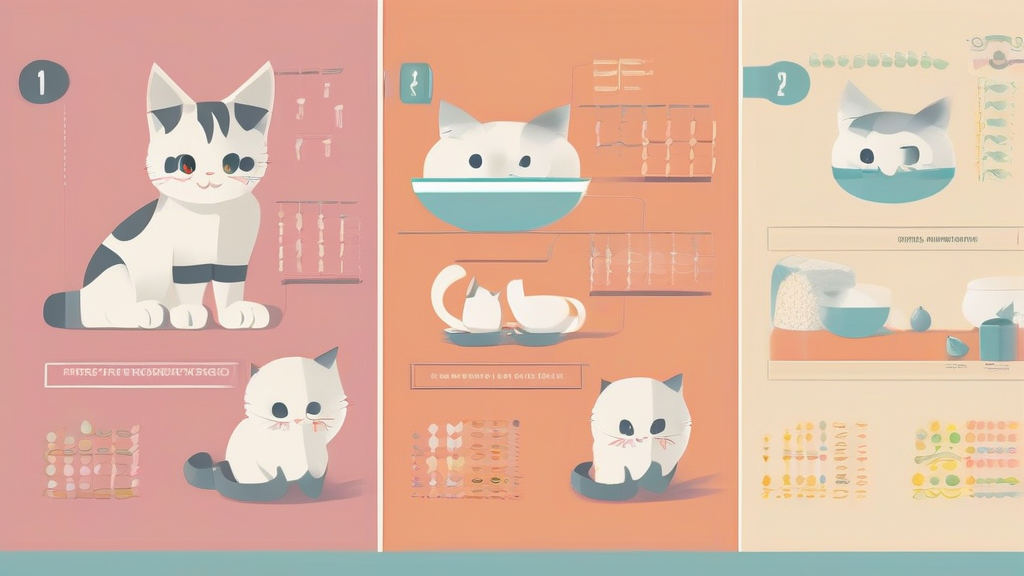
Understanding Nutritional Architecture: Building a Long-Term Health Foundation for Kittens
Nutritional Architecture: Building a Long-Term Health Foundation for Kittens is not just a fancy term for feeding time; it is the blueprint for your cat’s entire life. When I brought my first rescue kitten home, I was overwhelmed by the rows of colorful bags at the pet store. I quickly realized that those early months are a critical window where every calorie counts toward skeletal development, immune strength, and brain function.
You aren't just filling a bowl; you are constructing a biological system. If you get the foundation right now, you save yourself—and your cat—a mountain of vet bills down the road. Let’s break down the first year of life into manageable phases, ensuring your feline companion grows into a robust adult.
- Growth Velocity: Kittens grow exponentially faster than human children, requiring calorie-dense, protein-rich diets to support rapid tissue development.
- Phase-Based Nutrition: Your kitten’s dietary needs change drastically from weaning at four weeks to reaching physical maturity at twelve months.
- Bioavailability Matters: High-quality animal proteins are the cornerstone of feline health, as cats are obligate carnivores that cannot thrive on plant-based fillers.
Months 1 to 3: The Weaning and Rapid Growth Phase
The first twelve weeks are a whirlwind. During this time, kittens transition from mother's milk to solid food. This is the most sensitive period for their digestive systems. If you are fostering or have adopted a very young kitten, you might be dealing with specialized kitten milk replacer if they were separated too early.
The Transition to Solids
Around four weeks, kittens begin the shift toward solid food. I always recommend starting with a high-quality, wet kitten mousse. It’s easier for their tiny teeth to handle and provides essential hydration. Mix the food with a little warm water to create a slurry—this helps them associate the new texture with the comfort of milk.
By eight weeks, most kittens should be fully weaned. They need to eat small, frequent meals—four to five times a day. Their stomachs are tiny, but their energy requirements are astronomical. If they miss a meal, they can crash quickly, so consistency is your best friend here.
Months 4 to 6: The "Teenage" Growth Spurt
Once your kitten hits the four-month mark, you’ll notice they start looking more like a miniature cat and less like a fuzzy potato. Their activity levels skyrocket. This is the peak time for Nutritional Architecture: Building a Long-Term Health Foundation for Kittens because their bones are hardening and their muscles are developing definition.
Protein and Mineral Balance
During these months, protein is non-negotiable. Cats require specific amino acids, such as taurine, which are found almost exclusively in animal tissue. Without adequate taurine, kittens can suffer from severe heart and vision problems. Don't fall for "all life stages" marketing gimmicks; stick to formulas specifically labeled for kitten growth.
You should also monitor their calcium-to-phosphorus ratio. Too much or too little of these minerals can lead to skeletal deformities. High-quality commercial kitten diets are formulated to balance these perfectly. If you are considering a raw or homemade diet, proceed with extreme caution and professional guidance; it is far too easy to accidentally create a nutritional deficit during this rapid growth phase.
Months 7 to 9: Refining the Diet
As your kitten enters their seventh month, the growth rate begins to plateau slightly, but their energy remains high. This is a great time to introduce variety in textures. If you have only been feeding them pate, try incorporating some shredded meat or chunks in gravy. This helps prevent them from becoming "picky eaters" later in life.
Keep an eye on their body condition score. You should be able to feel their ribs, but not see them. If your kitten is looking a bit round, don't just cut their food volume. Instead, increase their playtime. Exercise is just as vital as nutrition in the overall architecture of their health.
Months 10 to 12: Preparing for Adulthood
The final stretch before their first birthday is about maintenance and transitioning to adult maintenance. By ten or eleven months, most kittens are nearing their adult size. You can begin to space out their meals, moving from four times a day to twice or three times a day.
The Transition to Adult Food
Around the twelve-month mark, you should start the transition to adult cat food. Do not do this overnight. Mix the new adult food with their remaining kitten food over the course of seven to ten days. This gradual shift prevents the digestive upset that often comes with sudden dietary changes.
If your cat was spayed or neutered, keep in mind that their metabolism may slow down. Watch their weight closely during this transition. A healthy adult cat should maintain a stable weight, and the foundations you built during their first year will now support them through their prime years.
Common Pitfalls in Kitten Feeding
I see many owners make the mistake of leaving dry food out 24/7. While "free-feeding" is convenient, it often leads to obesity and chronic dehydration. Cats have a low thirst drive; they are biologically designed to get most of their water from their prey. By feeding primarily dry kibble, you are forcing your cat to live in a state of mild, chronic dehydration.
Another error is the "treat trap." Kittens are adorable, and it’s tempting to give them table scraps or excessive treats. Remember that treats should never account for more than 10% of their total daily caloric intake. If they fill up on empty calories, they miss out on the dense nutrients required for their ongoing development.
Pro-Tip: Invest in a water fountain. Many cats are fascinated by moving water and will drink significantly more than they would from a stagnant bowl. Proper hydration is a silent hero in long-term kidney health.
Final Thoughts on Feline Wellness
Building a health foundation for your cat is a marathon, not a sprint. By focusing on high-quality animal proteins, consistent feeding schedules, and appropriate hydration, you are giving your kitten the best possible start. The effort you put into their nutrition during these first twelve months will pay dividends in the form of a vibrant, healthy, and long-lived companion.
Stay observant. Every cat is an individual, and sometimes you may need to tweak their diet based on their specific activity level or digestion. Talk to your veterinarian if you notice any persistent issues like loose stools or dull fur. You are their advocate, their chef, and their primary caregiver. Treat their bowl with the respect that their long-term health deserves.
Frequently Asked Questions (FAQ)
How often should I feed my kitten?
Kittens under six months should be fed 3 to 4 times a day to support their high metabolic needs. After six months, you can transition to 2 to 3 feedings per day.
Can I feed my kitten adult cat food?
No, you should avoid feeding adult food to a growing kitten. Kitten food is specifically formulated with higher protein, fat, and mineral content to support rapid growth and development.
Why is wet food better than dry food for kittens?
Wet food provides essential moisture, which helps prevent dehydration and supports urinary tract health. It is also generally higher in animal-based protein compared to the carbohydrate-heavy composition of many dry kibbles.
Post a Comment for "The First 12 Months: A Month-by-Month Guide to Kitten Nutritional Architecture"