Best Kitten Ear Cleaning Kits: Top 5 Reviewed for Safe Maintenance
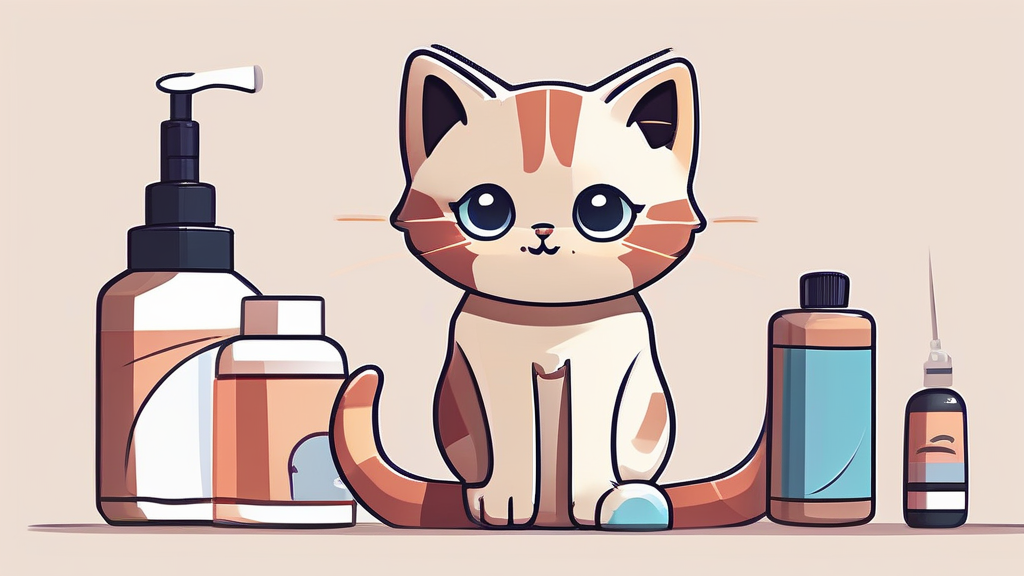
Understanding Your Kitten’s Ear Health
When it comes to Decoding Kitten Micro-Signals: What Your Feline’s Ears Are Telling You, you have to pay close attention to the subtle cues your tiny fluffball drops daily. Those expressive ears aren't just for picking up the sound of a treat bag opening from three rooms away; they are barometers for your cat's overall well-being.
I’ve raised countless foster kittens, and I’ve learned that a quick ear check is as vital as checking their food bowl. If your kitten is shaking their head frequently or scratching at their ears, they are trying to communicate something uncomfortable. Ignoring these signs can lead to painful otitis externa, which is the last thing any new pet parent wants to deal with.
- Routine is everything: Regular, gentle cleaning prevents wax buildup and helps you spot infections early.
- Observe the signals: Head shaking, scratching, or a foul odor are major red flags that require veterinary attention.
- Use the right tools: Never use human products or sharp objects; always opt for veterinarian-approved, kitten-specific solutions.
Decoding Kitten Micro-Signals: What Your Feline’s Ears Are Telling You
Felines are masters of body language, and their ears are the most mobile parts of their anatomy. When you are decoding kitten micro-signals: what your feline’s ears are telling you, look for sudden changes in positioning. Ears pinned flat against the head usually mean fear or aggression, but if one ear is constantly drooping while the other is alert, you might be looking at a health issue rather than a behavioral one.
Beyond body language, the internal environment of the ear canal is a playground for ear mites. These tiny parasites cause intense itching and produce a dark, coffee-ground-like discharge. If you see this, stop cleaning and head straight to your vet. You cannot "clean" away an infestation with a kit; you need professional medication.
Why Specialized Kits Beat DIY Methods
Many beginners think a dry cotton ball or a Q-tip will do the trick. Please, do not do this. Putting a Q-tip into a kitten's ear canal is a recipe for disaster. You risk pushing debris deeper or, worse, damaging their delicate eardrum.
The best kitten ear cleaning kits are designed with soft, non-irritating solutions that break down wax without stinging. They typically include soft pads or gauze that allow you to wipe only the visible parts of the ear. This process is much safer and significantly less stressful for your kitten.
Top 5 Reviewed Kitten Ear Cleaning Kits
I have tested dozens of products, and these five stand out for their effectiveness and safety. Each of these kits balances gentle ingredients with ease of use.
1. Vet’s Best Ear Relief Wash & Dry Kit
This is my go-to for daily maintenance. The formula is plant-based, using witch hazel and chamomile, which soothes sensitive skin. It’s perfect for kittens who get a little wiggly during grooming sessions.
2. Pet MD Ear Cleaner Wipes
Sometimes you don't want to deal with liquid droppers. These pre-soaked wipes are incredibly convenient. They are alcohol-free, meaning they won't dry out the delicate skin inside the ear flap.
3. Virbac Epi-Otic Advanced Ear Cleanser
Veterinarians often recommend this brand, and for good reason. It’s excellent at balancing the pH levels in the ear, which prevents bacteria from taking hold in the first place.
4. Burt’s Bees for Cats Ear Cleaner
If you prefer natural ingredients, this is the one. It uses peppermint oil and witch hazel to keep ears fresh. It’s gentle enough that even the most skeptical kitten usually tolerates it well.
5. TropiClean Ear Wash
This kit is fantastic for removing wax buildup quickly. It’s fast-acting and dries relatively quickly, which helps prevent the "wet ear" sensation that kittens often hate.
How to Clean Your Kitten’s Ears Safely
The secret to successful cleaning is patience. Start by getting your kitten comfortable with having their head and ears touched. Do this when they are sleepy and relaxed, perhaps while they are purring on your lap.
Apply a small amount of the cleaning solution to a cotton ball or the provided wipe—never squirt the bottle directly into the ear canal unless instructed by your vet. Gently wipe the inside of the ear flap, moving from the inside out. If your kitten pulls away, let them go. You can always try again later.
Pro Tip: Always have a high-value treat ready. By associating the ear cleaning process with a delicious reward, you turn a potentially scary experience into a positive one.
Frequently Asked Questions (FAQ)
How often should I clean my kitten's ears?
For most kittens, a light cleaning once every two weeks is sufficient. If your kitten produces a lot of wax, your vet might suggest a weekly routine, but avoid over-cleaning as it can irritate the skin.
Can I use water to clean my kitten's ears?
No, avoid using water. Water doesn't evaporate quickly in the ear canal and can create a moist environment that encourages fungal and bacterial growth. Always use a dedicated, fast-drying ear cleaner.
What if my kitten hates the ear cleaning process?
Take it slow. Spend a few days just touching their ears and giving treats without using any cleaner. Once they are comfortable with your hands near their face, introduce the wipe or cotton ball gradually.
Post a Comment for "Best Kitten Ear Cleaning Kits: Top 5 Reviewed for Safe Maintenance"