Understanding Your New Feline Companion
When you bring a tiny ball of fluff home,
decoding kitten micro-signals: what your feline’s ears are telling you is the secret key to building a lifelong bond. These miniature predators are masters of non-verbal communication, and their ears are essentially high-frequency radar dishes that broadcast their internal state. If you have ever wondered why your kitten suddenly flattened their ears or swiveled them toward a closed door, you are witnessing a complex language in action.
Cats rely heavily on body language to navigate their world, and because they cannot simply tell us they are annoyed or curious, we have to become students of their anatomy. By watching the subtle shifts in their ear orientation, you gain a front-row seat to their emotions. It is a fascinating process that makes living with a cat feel like having a constant, silent conversation.
- Neutral/Forward Ears: Your kitten is content, interested, or simply relaxed.
- Pinned-Back Ears: This is a clear warning sign of fear, extreme irritation, or defensive aggression.
- Swiveling/Twitching Ears: Your kitten is processing auditory input and scanning their environment for potential threats or prey.
The Anatomy of Feline Expression
To truly grasp how these signals work, it helps to know that a cat's ears are controlled by over 30 muscles. This allows them to rotate their pinnae—the outer part of the ear—up to 180 degrees. This level of mobility is why
domestic cats are such efficient hunters; they can pinpoint the exact location of a scurrying mouse without even turning their heads.
When you are observing your kitten, try to look at the base of the ear as well as the tip. A relaxed kitten will hold their ears slightly forward and outward, almost like a pair of soft triangles. If you see them twitching, it is not just random movement; they are filtering out background noise to focus on a specific sound.
Decoding Kitten Micro-Signals: What Your Feline’s Ears Are Telling You During Play
Playtime is the perfect laboratory for observing these micro-signals. When a kitten is in "hunt mode," their ears will often lock onto the toy, pointing forward with intense focus. If they are feeling particularly feisty, you might notice one ear flicking slightly while the other remains fixed on the target.
If the play gets a bit too rough, watch for the ears to start shifting backward. This is the moment to dial back the intensity. If you ignore this signal, you might find yourself on the receiving end of a playful but sharp nip. Respecting these boundaries early on helps your kitten feel safe and secure in their new environment.
Signs of Stress and Discomfort
Not all ear movements are about curiosity. Sometimes, they are a defensive mechanism. When a kitten feels threatened, their instinct is to protect their sensitive hearing organs. You will see their ears flatten against their head, a posture often referred to as "airplane ears."
This is a clear indicator that your kitten is overwhelmed. Whether it is a loud vacuum cleaner or a new person entering the room, the flattened ear is a plea for space. If you see this, stop what you are doing and give them a quiet corner to retreat to. Forcing interaction when a kitten is in this state is a quick way to lose their trust.
When to Consult a Professional
While ear positions are usually behavioral, sometimes they indicate physical distress. If your kitten is holding one ear down persistently, or if they are shaking their head frequently, they might be dealing with an ear infection or mites. These are common issues in
young felines that require a visit to the veterinarian.
Don't ignore a sudden change in ear posture that doesn't seem linked to a specific stimulus. If your kitten looks listless and keeps their ears pinned even when the house is quiet, they are likely in pain. Always trust your gut—if the behavior feels "off," a professional checkup is the best path forward.
The Nuance of Ear Swiveling
Have you ever noticed your kitten's ears acting like independent radar dishes? One ear might point toward the kitchen while the other stays tuned to the sound of your voice. This "binaural hearing" allows them to track multiple sound sources simultaneously.
When you are training your kitten or calling them for dinner, pay attention to which way their ears rotate. If they swivel toward you but the body remains stationary, they are acknowledging you but aren't quite ready to commit to coming over. It is a subtle form of feline "listening" that proves they are paying attention even when they appear distracted.
Pro Tip: If your kitten’s ears are constantly twitching in different directions, they are likely feeling overstimulated by their environment. Try dimming the lights or reducing noise levels to help them find their "center" again.
Building Trust Through Observation
Mastering the art of reading your kitten is a journey, not a destination. Over time, you will start to recognize the "I'm hungry" ear position versus the "I'm ready for a nap" position. This isn't just about avoiding scratches; it is about empathy.
When you respond to their subtle cues, you tell your kitten that you are a reliable, observant companion. They don't need to scream or lash out because they know you are paying attention. This creates a foundation of trust that makes the transition from a shy newcomer to a confident, happy cat much smoother.
Frequently Asked Questions (FAQ)
Why does my kitten flatten their ears when I pet them?
If your kitten flattens their ears during petting, they are likely feeling overstimulated or uncomfortable with the touch. Stop petting immediately and let them move away on their own terms.
Are ear movements always about mood?
Not necessarily. While ears are primary tools for communication, they are also essential for sensory input. Swiveling ears are often just the kitten processing sounds, not necessarily a sign of a specific emotion.
Should I be worried if my kitten's ears are always back?
If your kitten keeps their ears back permanently, it could indicate chronic stress, fear, or a physical issue like ear mites. It is best to consult your vet to rule out any medical conditions.
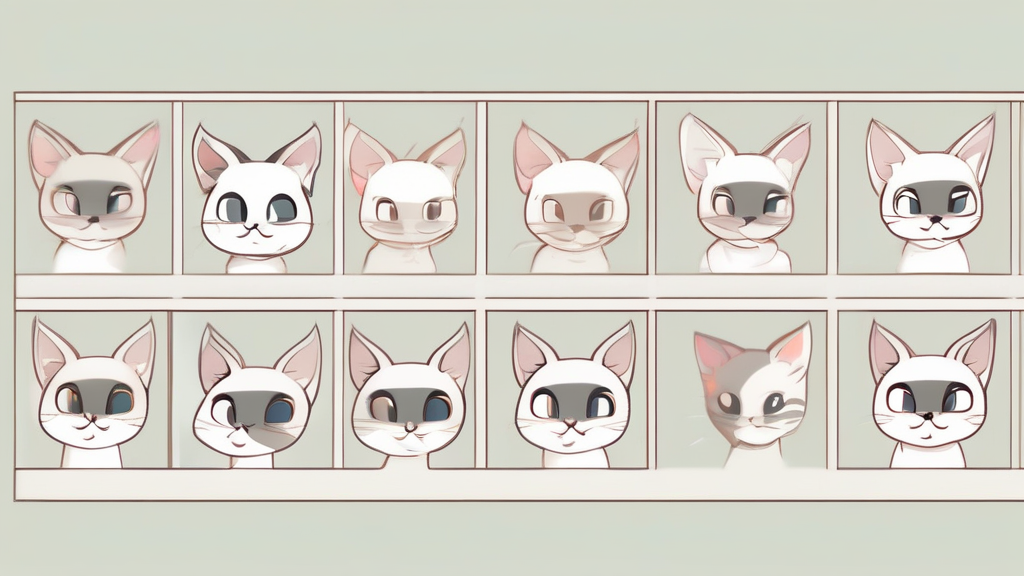
Post a Comment for "How to Interpret Kitten Ear Positions: A Visual Guide for New Owners"