Step-by-Step Guide: How to Safely Clean Your Kitten’s Ears at Home
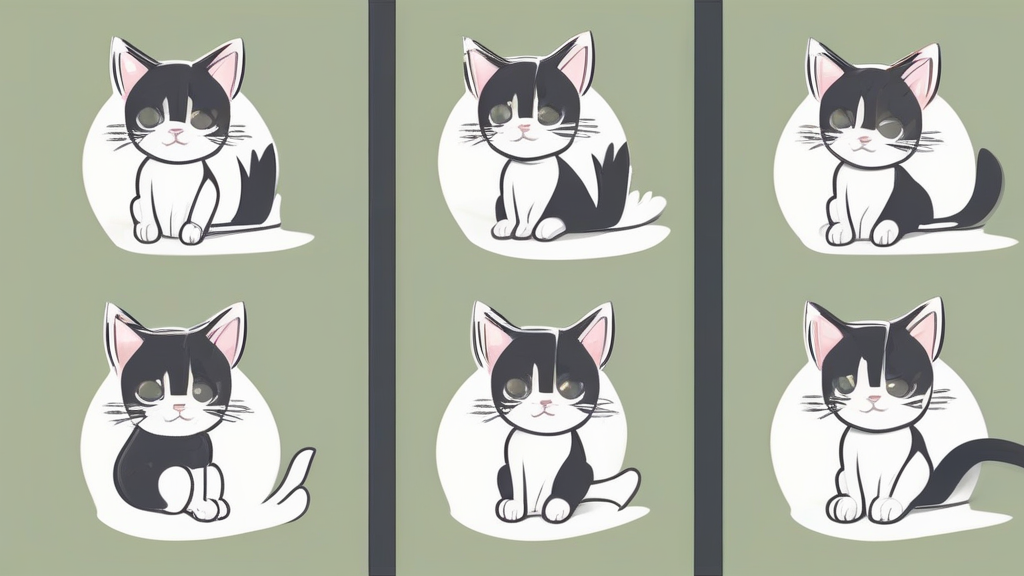
Mastering the art of Decoding Kitten Micro-Signals: What Your Feline’s Ears Are Telling You is the first step toward becoming a truly observant pet parent. When I first brought my kitten home, I realized that those tiny, twitching ears were far more than just cute accessories; they were a complex communication system. If you notice your kitten shaking their head or scratching excessively, they might be trying to tell you that something is amiss in their ear canal.
- Healthy ears should look pink, smell neutral, and contain minimal to no visible debris.
- Never insert cotton swabs deep into the ear canal, as this can cause permanent damage to the delicate tympanic membrane.
- Always consult a veterinarian if you notice a foul odor, dark discharge, or persistent redness, as these are classic signs of infection.
Understanding Feline Ear Health and Communication
Before you even pick up a cleaning solution, you need to understand how your cat uses their ears. Cats are masters of non-verbal communication. When their ears are forward, they are curious and engaged. When they flatten them against their head, they are signaling fear or aggression.
When you are decoding kitten micro-signals: what your feline’s ears are telling you, look for subtle shifts. A slight flick or a persistent ear-twitch while they are resting can be an early indicator of discomfort. Keeping a close watch on these behaviors helps you catch potential issues like ear mites or yeast infections before they escalate.
Preparation: Gathering Your Supplies
Cleaning a kitten's ears shouldn't be a wrestling match. Having everything within reach prevents unnecessary stress. You will need a veterinarian-approved ear cleaning solution, a few soft cotton balls or gauze pads, and a very rewarding treat.
Avoid using water or harsh chemicals. The skin inside a cat's ear is incredibly sensitive. Using a specialized cleaner helps break down wax without irritating the lining of the external auditory canal. Ensure your workspace is quiet and well-lit so you can see exactly what you are doing.
Step-by-Step Cleaning Process
Start by getting your kitten comfortable. Wrap them gently in a towel like a burrito—this is often called "burrito-ing"—to keep their paws tucked away. This simple trick prevents accidental scratches and helps the kitten feel secure.
- Gently lift the ear flap to expose the opening.
- Apply a small amount of the cleaning solution onto a cotton ball. Do not pour liquid directly into the ear unless your vet has specifically instructed you to do so.
- Wipe the visible part of the ear canal and the inside of the flap with soft, circular motions.
- Allow your kitten to shake their head. This helps dislodge any debris from deeper within the canal.
- Wipe away any loosened debris that has moved to the outer area.
Decoding Kitten Micro-Signals: What Your Feline’s Ears Are Telling You During Cleaning
While you work, pay close attention to your kitten's reaction. If they pull away or seem in pain, stop immediately. A little bit of squirming is normal, but vocal distress is a red flag. If you are struggling with the process, don't force it. Take a break and try again later when your kitten is sleepy or relaxed.
Remember that the goal is to keep the ears clean, not to perform surgery. If you notice a dark, coffee-ground-like substance, this is a common indicator of ear mites. In such cases, skip the home cleaning and head straight to the clinic for proper medication.
Maintaining Long-Term Ear Hygiene
Consistency is key to preventing buildup. You don't need to clean their ears every day. In fact, over-cleaning can strip the ear of its natural protective oils. Once a month is usually sufficient for most kittens, unless your vet advises otherwise based on your cat's specific breed or lifestyle.
Make the experience positive. Always follow up with a high-value treat and some playtime. By associating ear care with rewards, you turn a potentially scary chore into a bonding experience. Your kitten will eventually learn that those "micro-signals" of discomfort are met with care, not stress.
Frequently Asked Questions (FAQ)
How often should I clean my kitten's ears?
Most kittens only require ear cleaning once every few weeks or months. Over-cleaning can cause irritation, so only clean them when you notice a small amount of wax or debris.
Can I use Q-tips to clean my cat's ears?
No, never use cotton swabs inside the ear canal. You risk pushing debris deeper or accidentally puncturing the eardrum, which can lead to permanent hearing loss or balance issues.
What if my kitten has a strong odor coming from their ears?
A foul smell is a major warning sign of an ear infection. Do not attempt to clean it yourself; schedule an appointment with your veterinarian to rule out bacterial or yeast infections.
Post a Comment for "Step-by-Step Guide: How to Safely Clean Your Kitten’s Ears at Home"