The Meaning Behind 'Airplane Ears' in Kittens: Playful vs. Defensive
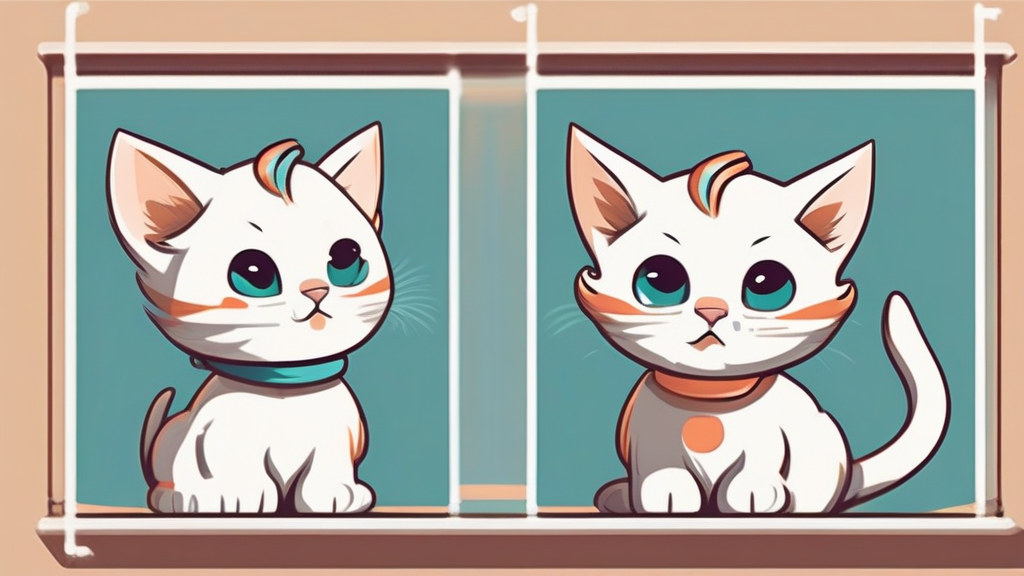
Decoding Kitten Micro-Signals: What Your Feline’s Ears Are Telling You
When you are decoding kitten micro-signals: what your feline’s ears are telling you, you quickly realize that your tiny companion is a master of non-verbal communication. Those triangular appendages atop their heads are far more than just hearing devices; they are high-precision emotional sensors.
Have you ever watched your kitten suddenly flatten their ears against their skull, transforming their silhouette into something resembling a miniature aircraft? It is a fascinating sight, but the context matters immensely. Is it a sign of impending chaos or a genuine plea for space?
- Airplane ears are a physiological response to external stimuli, ranging from intense excitement to genuine fear.
- Distinguishing between play-based flattening and defensive flattening requires observing the rest of the cat's body, including tail position and pupils.
- Respecting these micro-signals builds trust, preventing accidental scratches and fostering a healthier bond with your pet.
The Anatomy of Feline Expression
To understand why kittens flatten their ears, we must first look at the biology. A cat's ears are controlled by over two dozen muscles, allowing for near-independent rotation and rapid positioning. This physical dexterity is rooted in their evolutionary history as both predator and prey.
In the wild, these movements were crucial for survival. By rotating their ears to pinpoint the exact location of a scurrying mouse or, conversely, flattening them to protect their sensitive inner ear from the claws of an opponent, cats developed a sophisticated language of survival. When your indoor kitten displays these "airplane ears," they are simply tapping into an ancient, hardwired cat communication system.
Decoding Kitten Micro-Signals: What Your Feline’s Ears Are Telling You During Play
Playtime is often where we see the most frequent use of airplane ears. When a kitten is in "hunt mode," they often pin their ears back to keep them out of the way of potential debris or to protect them during mock wrestling matches. It is a protective reflex, not an aggressive one.
If your kitten is pouncing, wiggling their bottom, and batting at a toy with their ears pulled back, they are likely having the time of their lives. In these moments, the flattened ears indicate focus and high energy. You might notice their pupils are dilated, and their tail is twitching in a rhythmic, playful fashion.
The Defensive Shift: When the Mood Turns Sour
Contrast the playful pounce with a defensive stance. If your kitten suddenly freezes, flattens their ears, and begins to hiss or growl, you are witnessing a clear boundary setting. This is the feline version of a "stop" sign.
Defensive airplane ears are usually accompanied by a tense body, a tucked tail, or a low-to-the-ground posture. They are trying to make themselves appear smaller and less vulnerable while keeping their ears protected from an perceived threat. If you see this, back off immediately; the kitten is feeling overwhelmed or threatened.
Reading the Full Body Language
You cannot rely on the ears alone to interpret your kitten's intentions. Body language is a holistic experience. If the ears are flat, look at the eyes. Are they wide and playful, or are they narrowed into slits? Narrowed eyes often signal irritation or aggression.
Then, check the tail. A tail that is puffed up or tucked between the legs is a universal sign of distress. Conversely, if the kitten is rolling around on their back while their ears are flattened, they are likely just feeling silly and comfortable. Understanding cat body language allows you to become a translator for your pet's needs.
How to Respond to Flattened Ears
When you notice your kitten’s ears go flat, your reaction determines the outcome of the interaction. If you are playing, keep the toy moving and maintain the excitement. If you suspect they are scared, give them space.
Avoid the urge to force affection when a kitten shows defensive signals. Respecting these boundaries is the fastest way to earn a cat's trust. Once they realize you understand their "no," they will be much more likely to seek you out for affection when they feel secure.
The Role of Environmental Stressors
Sometimes, airplane ears are not about you at all. A loud vacuum cleaner, a strange visitor, or a sudden change in the household environment can trigger this defensive posture. Kittens are highly sensitive to their surroundings.
If your kitten is frequently showing flattened ears without any provocation from you, observe their environment. Is there a noise source causing them anxiety? Is there a lack of vertical space for them to retreat to? Providing a "safe zone," such as a cat tree or a quiet bedroom, can significantly reduce the frequency of defensive ear-flattening.
Pro-Tip: Always provide your kitten with an elevated perch. Having a high vantage point allows them to observe their environment without feeling the need to go into a defensive, flattened-ear state.
Common Misinterpretations
Many new cat owners mistake "airplane ears" for simple curiosity. While it is true that cats rotate their ears to listen to new sounds, the "flattened" look is distinct. Curiosity usually involves ears pointed forward or slightly swiveled to capture sound.
If you find yourself guessing, err on the side of caution. If the ears are pinned tight against the head, the kitten is signaling that they are not currently in a receptive mood for interaction. Giving them five or ten minutes to reset usually solves the problem.
Frequently Asked Questions (FAQ)
Why do my kitten's ears go flat when I pet them?
If your kitten flattens their ears during petting, they may be experiencing overstimulation. They are telling you that they have had enough physical contact for the moment and would like to be left alone.
Are airplane ears always a sign of aggression?
No, they are not. While they can indicate fear or irritation, they are also a common protective posture during high-energy play. The key is to look at the rest of the kitten's body for context.
Can I train my kitten to stop flattening their ears?
You shouldn't try to train this out of them. Flattening their ears is a natural, healthy instinct. Instead, focus on learning to read the signal and adjusting your behavior to make your kitten feel more comfortable.
Post a Comment for "The Meaning Behind 'Airplane Ears' in Kittens: Playful vs. Defensive"