Why Kittens Twitch Their Ears While Sleeping: Decoding REM Signals
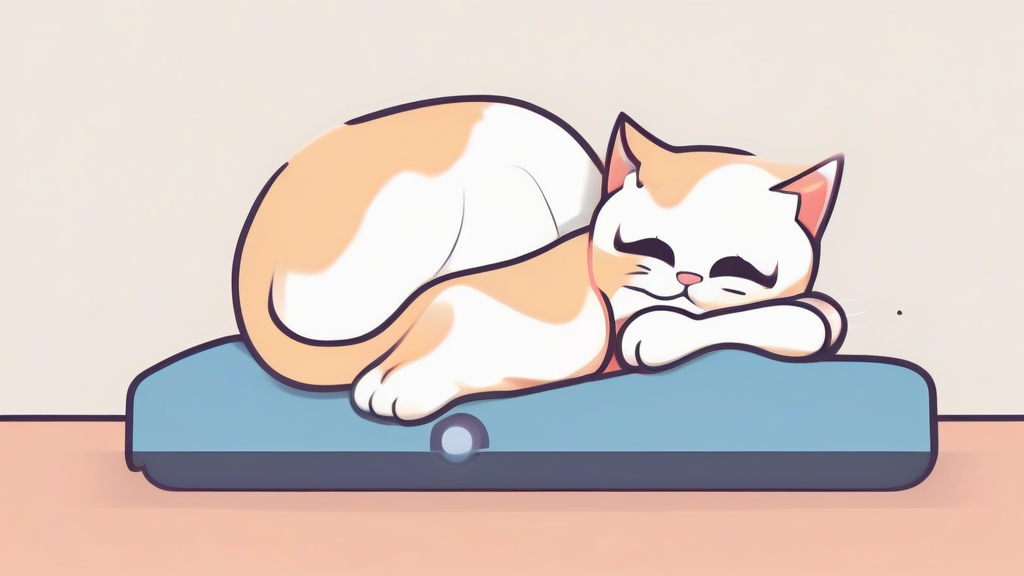
Why Kittens Twitch Their Ears While Sleeping: Decoding REM Signals
If you have ever watched your tiny furball snooze, you have likely noticed the subtle movements that occur while they dream. Decoding Kitten Micro-Signals: What Your Feline’s Ears Are Telling You is a fascinating journey into the mysterious world of cat nap cycles.
Those adorable little ear twitches, whiskers fluttering, and the occasional paw kick are more than just cute quirks. They are windows into the complex neurological activity happening behind those closed eyelids. As a dedicated cat owner, understanding these behaviors helps you appreciate the deep, restorative rest your pet is achieving.
- Ear twitching during sleep is a primary indicator that your kitten has entered the Rapid Eye Movement (REM) sleep phase.
- These micro-signals are essential for brain development, memory processing, and the emotional well-being of your growing kitten.
- While twitching is usually normal, distinguishing between healthy dream-state movements and potential health issues is a vital skill for every cat parent.
The Science Behind the Nap: Why Kittens Twitch
When your kitten curls up into a ball, they aren't just powering down for the day. Their brains are incredibly active, processing the massive amounts of information they absorbed during their waking hours. Kittens spend significantly more time sleeping than adult cats because their bodies and minds are undergoing rapid growth.
Decoding Kitten Micro-Signals: What Your Feline’s Ears Are Telling You
The ears are highly sensitive instruments. Even when a kitten is fast asleep, their ears remain tuned into the environment. When you see them twitch, it is often a reaction to a sound they hear in their dreams or a subtle noise in your home that their subconscious is still monitoring.
During the REM cycle, the brain stem sends signals to the muscles to essentially paralyze them. This prevents the kitten from physically acting out their dreams, which could lead to injury. However, this paralysis is not absolute. Small, involuntary muscle contractions—like ear twitches or tail flicks—often bypass this blockade.
Understanding the Sleep Cycles of Kittens
Kittens cycle through different stages of sleep much like humans do. The transition from light dozing to deep sleep is where you will see the most movement. If you observe closely, you can actually track when your kitten shifts from a quiet, heavy sleep into a more active, dream-filled state.
Light sleep is characterized by a kitten that is still somewhat alert. Their ears might swivel toward a sound without them opening their eyes. This is a survival mechanism; in the wild, a kitten must be ready to bolt if a predator approaches.
Deep sleep is the restorative phase. This is when you see the most intense twitching. Their breathing becomes rhythmic, and their bodies go limp. It is during this phase that the brain consolidates memories, such as learning how to pounce or identifying the sound of a treat bag.
Is My Kitten Having a Nightmare?
Many owners worry that their kitten is distressed when they see rapid ear twitching combined with vocalizations or frantic paw movements. It is natural to feel protective, but it is important to remember that dreaming is a normal part of the sleep architecture for all mammals.
Unless the kitten is waking up in a state of panic, hissing, or showing signs of actual physical distress, there is no need to intervene. Waking a kitten from a deep sleep can actually be disorienting and stressful for them. Let them sleep it off.
Pro Tip: If you notice your kitten frequently waking up startled or showing signs of extreme anxiety after these twitching sessions, keep a log of the time and duration. This data can be incredibly useful if you ever need to consult your veterinarian about sleep disturbances.
When to Be Concerned About Twitching
While ear twitching is almost always a sign of a healthy dreamer, there are times when you should pay closer attention. If the movements are rhythmic, repetitive, and involve the entire body in a way that looks like a seizure, you need to act.
Distinguishing between a dream and a medical event is crucial. A dreaming kitten will usually settle back into a calm state quickly. A kitten experiencing a seizure may remain rigid, lose bladder control, or be unable to stand or recognize you once they wake up.
- Check the duration: Dream twitches are usually short and sporadic.
- Check the recovery: A waking kitten should be alert and responsive within a few seconds.
- Look for other symptoms: Watch for drooling, stiff limbs, or vocalizing that sounds more like pain than a soft purr-mew.
Creating the Perfect Sleeping Environment
To ensure your kitten gets the high-quality rest they need, consider their environment. Kittens are sensitive to temperature and noise. A quiet, warm, and secure space allows them to transition into deep REM sleep more effectively.
Avoid placing their bed in high-traffic areas. Even if they seem to sleep anywhere, having a "safe zone" helps them feel secure enough to enter those deep, twitch-filled REM cycles. Providing a soft, elevated bed can also help regulate their body temperature, which is essential for healthy sleep.
Consistency is key. If you have a routine—like playtime followed by a meal and then quiet time—your kitten will naturally learn when it is time to wind down. This predictability reduces anxiety and promotes better sleep health throughout their life.
Conclusion
Watching your kitten twitch in their sleep is one of the most endearing experiences of pet ownership. By understanding the science behind these micro-signals, you are not just observing a cute behavior; you are witnessing the essential work of a developing brain. Whether they are dreaming of chasing butterflies or simply processing the day's events, those little ear twitches are a sign that your kitten is healthy, active, and perfectly at home in your care.
Keep observing, keep learning, and most importantly, let them get that well-deserved rest. Your kitten trusts you to provide a safe space for their dreams, and that trust is the foundation of your lifelong bond.
Frequently Asked Questions (FAQ)
Is it normal for my kitten to twitch while sleeping?
Yes, it is perfectly normal. Ear twitching is a standard sign that your kitten is in the REM phase of sleep, which is vital for their brain development and cognitive health.
Should I wake my kitten if they are twitching a lot?
No, you should avoid waking them. Interrupting their sleep cycle can be disorienting and may prevent them from getting the deep, restorative rest they need for growth.
How can I tell the difference between a dream and a seizure?
Dreams are sporadic and the kitten wakes up normally. Seizures often involve full-body rigidity, loss of consciousness, or inability to stand immediately after, and require immediate veterinary attention.
Post a Comment for "Why Kittens Twitch Their Ears While Sleeping: Decoding REM Signals"