How to Pitch Your Cat-Themed Animation to Major Streaming Studios
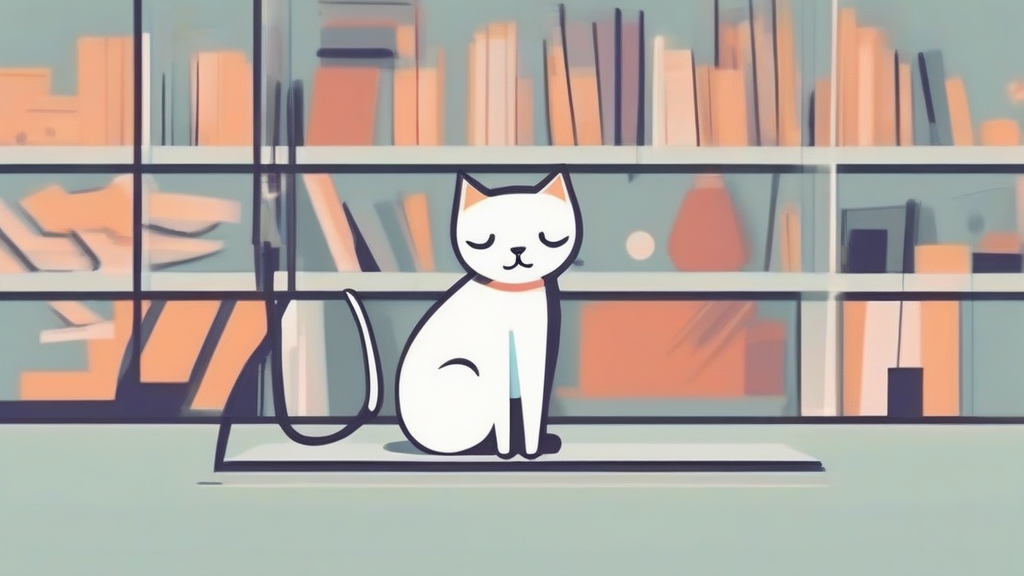
If you have ever wondered about Scripting for Paws: How to Write Engaging Narratives for Cat Animations, you are already halfway to creating something special. Everyone loves a feline protagonist, but turning that love into a green-lit series at a major streaming studio takes more than just cute sketches. It takes a story that bites.
I have spent years navigating the industry, and I have learned that studios don't just buy "cat shows." They buy emotional arcs, unique worlds, and characters that feel like they have a secret life when the cameras stop rolling. Let’s break down how to get your script into the hands of the right people.
- Focus on universal emotional stakes that transcend the species of your characters.
- Develop a "visual hook" that separates your cat-themed project from the thousands of others.
- Master the art of the logline to convey your series' premise in under thirty seconds.
The Foundation of Scripting for Paws: How to Write Engaging Narratives for Cat Animations
Writing for animation is a distinct craft. When you are Scripting for Paws: How to Write Engaging Narratives for Cat Animations, you need to remember that your audience is often looking for a blend of physical comedy and genuine heart. Cats are naturally funny creatures, but they are also mysterious, which gives you a massive advantage in storytelling.
Start by observing your own pets. What makes them tick? Is it the way they stare at a wall for ten minutes? Or perhaps their weird obsession with cardboard boxes? These small, observational details are the gold dust of great animation scripts. They make your characters feel grounded, even if they live in a high-fantasy world.
Building Character Depth Beyond the Clichés
Avoid the "cute but empty" trap. Your protagonist needs a flaw, a desire, and a clear path to growth. Think about the classic character arc—does your cat start as a spoiled house pet and end up as a street-smart adventurer? Or perhaps they are a misunderstood villain who just wants a warm lap to sleep on?
Studios want characters that can sustain a long-form series. If your cat is perfect, there is nowhere for the story to go. Give them a "fatal flaw" that causes trouble in every episode. This is the engine of your narrative. When your characters make mistakes, the audience roots for them even harder.
The Art of the Pitch: Selling Your Vision to Studios
You have the script, and the characters are ready to jump off the page. Now, you need to sell it. Pitching is essentially a performance. You aren't just reading a document; you are showing the executives what it feels like to watch your show on a Saturday morning.
Keep your pitch deck visual. Use high-quality concept art that showcases the color palette and the "vibe" of your world. If you can’t afford a professional artist, use mood boards to set the tone. You need to prove that this isn't just a script—it's a franchise waiting to happen.
Understanding Streaming Studio Priorities
Streaming platforms like Netflix, Disney+, and Apple TV+ are looking for "sticky" content. They want shows that kids will watch on repeat and that parents won't mind having on in the background. Your narrative needs to be layered.
Include jokes that land for adults and slapstick humor that works for children. This is the secret to animation longevity. When you pitch, highlight how your show fits into their current library. Are they missing a high-octane action show? A cozy, slow-burn comedy? Tailor your pitch to fill their specific void.
Refining Your Narrative Structure
Even the best cat animation will fail if the structure is weak. You need a solid pilot episode that establishes the rules of your world. Don't spend the first ten minutes on exposition; throw us into the action immediately.
Use the "three-act structure" to keep the pacing tight. Introduce the status quo, disrupt it with an inciting incident, and then force your character to choose a new path. If your cat character doesn't have a choice to make, the audience won't be engaged.
The Importance of Dialogue and Voice
Since your characters are cats, the way they speak—or don't speak—is crucial. Do they have human-level intelligence, or do they communicate through meows that only other animals understand? Establish these rules early and stick to them.
Good dialogue should be snappy and character-specific. A grumpy alley cat should sound vastly different from a pampered Persian. If you find yourself writing lines that could be said by any character, go back and rewrite them. Every sentence should reveal something about who the cat is.
Overcoming Common Pitching Mistakes
I see many writers make the mistake of over-explaining. They want the executive to know every single detail of the lore. Trust me, the lore is the last thing they care about. They care about the emotional journey.
Another mistake is failing to have a "series bible." A bible is a document that outlines the future of the show—where the characters go in season two, three, and beyond. It proves to the studio that you have a long-term plan and aren't just a one-hit-wonder.
- Always lead with the "emotional hook" before you talk about the mechanics of the show.
- Have a clear vision for the visual style, even if it is just a collection of reference images.
- Be prepared to pivot; if an executive suggests a change, show that you are collaborative and flexible.
Final Thoughts on Pitching Your Feline Epic
Getting a show produced is a marathon, not a sprint. You will hear "no" more often than "yes," but that is part of the process. Every rejection is a chance to refine your script and sharpen your pitch. Keep writing, keep pitching, and keep your eyes on the prize.
Your cat-themed animation could be the next big thing on a major streaming service. You have the tools, the passion, and the narrative framework. Now, get out there and start pitching.
Frequently Asked Questions (FAQ)
How long should a pitch deck for an animated series be?
A standard pitch deck should be between 10 and 15 slides. It needs to be concise, visually striking, and focus on the characters, the world, and the long-term potential of the series.
Do I need a finished script before I pitch to a studio?
While you don't always need a full script for every episode, you absolutely need a polished pilot script and a detailed series bible. Studios need to see that you can write the actual dialogue and sustain the narrative over time.
How do I protect my intellectual property when pitching?
While you cannot copyright an idea, you can copyright your script and your specific character designs. Register your work with the relevant copyright office in your country before sharing it widely, and always keep a paper trail of your correspondence with studios.
Post a Comment for "How to Pitch Your Cat-Themed Animation to Major Streaming Studios"