Decoding Kitten Micro-Signals: What Your Feline’s Ears Are Telling You
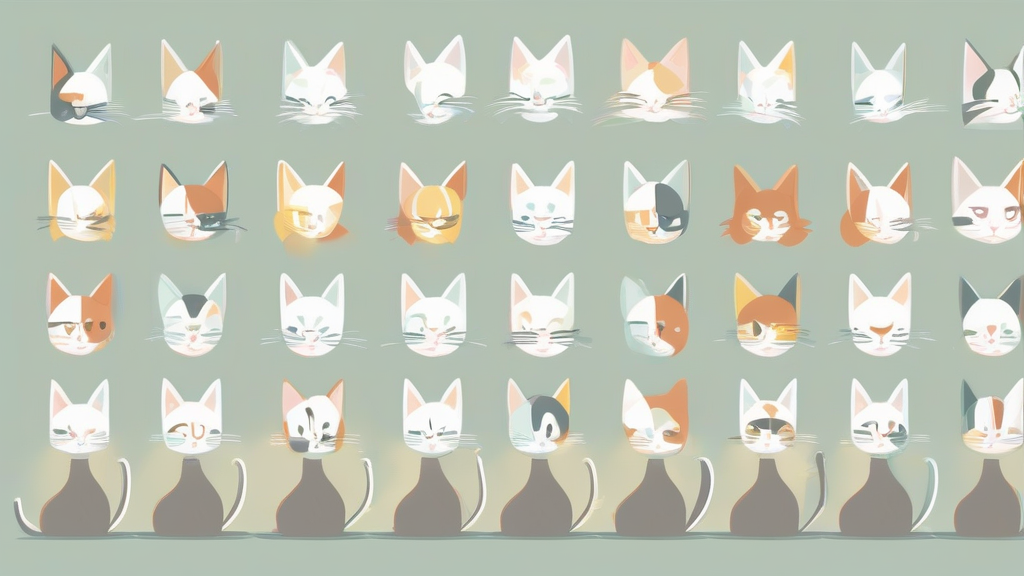
When you are Decoding Kitten Micro-Signals: What Your Feline’s Ears Are Telling You, you are essentially learning a new language. Cats are masters of subtle communication, and their ears act like high-definition radar dishes that broadcast their internal state to anyone paying close enough attention.
I remember bringing my first kitten home. I was baffled by how quickly her mood shifted from playful pounce to defensive retreat. It took years of observation to realize that the secret wasn't in her meows, but in the constant, twitching geometry of her ears.
- Forward-facing ears signify a confident, interested, or friendly kitten ready to engage with the world.
- Flattened or pinned ears are a clear indicator of fear, intense irritation, or defensive aggression.
- Asymmetrical or swiveling ear movements show your kitten is processing environmental sounds and prioritizing sensory input.
The Anatomy of Feline Communication
To understand why ears are so expressive, we have to look at the cat anatomy that makes this possible. A kitten's ears are controlled by over thirty muscles, allowing them to rotate 180 degrees independently.
This biological hardware is designed for survival. In the wild, a kitten must detect the slightest rustle of prey while simultaneously keeping an ear out for predators. When you see your kitten’s ears flicking toward a distant sound, you are watching an ancient, evolutionary reflex in action.
Unlike humans, who rely heavily on facial expressions and vocal tone, kittens rely on these micro-adjustments. When you ignore these signals, you miss the "before" picture of their behavioral shifts. You aren't just looking at ears; you are looking at a live data feed of your kitten's nervous system.
Decoding Kitten Micro-Signals: What Your Feline’s Ears Are Telling You During Play
Playtime is the perfect laboratory for observing these signals. When a kitten is in "hunter mode," their ears usually tilt slightly forward and outward. This creates a wide-angle reception for the movement of their toy.
If you notice the ears suddenly rotate backward while they are still pouncing, pause for a second. This is often a sign of "over-stimulation." They have moved from playful engagement into a state of heightened arousal where they might accidentally bite or scratch harder than intended.
Recognizing this specific micro-signal allows you to step back before the play turns into a painful experience. It’s about respecting their boundaries before they feel the need to enforce them physically.
Interpreting Fear and Defensive Postures
Sometimes, a kitten’s ear position is a cry for space. When ears start to pin against the skull, the kitten is signaling a loss of confidence. They are attempting to protect their delicate ear structures from potential damage during a fight.
This is often accompanied by cat communication via vocalizations like hissing or growling. However, the ears almost always move first. If you catch the ears flattening, you have a window of time to de-escalate the situation by removing the stressor.
Never try to force a kitten to socialize when their ears are pinned. It is the feline equivalent of saying, "I am terrified, and I am ready to defend myself." Forcing interaction at this stage is the fastest way to damage the trust you are trying to build.
The Neutral Ear: A Sign of Contentment
A relaxed kitten usually keeps their ears in a "neutral" position. They aren't pointing straight up like an attentive guard, nor are they pulled back. They are soft, slightly tilted to the side, and very still.
This is the "baseline" state. If you see this, your kitten is comfortable. They feel safe enough to stop scanning the environment for threats. This is the ideal time for bonding activities like grooming or quiet lap time.
The Role of Environmental Context
You cannot look at ear position in a vacuum. A kitten might have their ears back for reasons other than aggression. For instance, if you are vacuuming, their ears might flatten simply because the sound is physically painful or overwhelming to their sensitive hearing.
Always consider the context. Is there a loud noise? A new person in the room? A sudden movement? The ears are responding to the environment, not just to you. By assessing the surroundings, you can better interpret the intent behind the ear movement.
I often tell new pet owners to look at the "whole cat." The tail, the whiskers, and the body tension all play a role. If the ears are back but the tail is twitching in a friendly "hook" shape, the kitten might just be annoyed by a specific noise rather than feeling aggressive toward you.
Common Misinterpretations
One of the biggest mistakes people make is assuming that "ears back" always means a mean cat. In reality, it usually means a stressed cat. There is a world of difference between a cat that is being aggressive and a cat that is scared.
Another common error is failing to notice the "airplane ears." This is when the ears rotate sideways, creating a wide, flat profile. This usually indicates that the kitten is annoyed or frustrated. Maybe they wanted a treat and didn't get it, or perhaps the play session was cut short.
Learning to spot these subtle variations prevents misunderstandings. It turns a frustrating relationship into a partnership where you both understand what the other needs.
Frequently Asked Questions (FAQ)
Why do my kitten's ears twitch when they are sleeping?
Even in sleep, a kitten's brain remains active. Those ear twitches are a response to ambient sounds in your home, showing that their survival instincts never truly turn off, even during deep rest.
Does ear shape affect how well a kitten communicates?
While some breeds have unique ear shapes, the fundamental language remains the same. Regardless of whether the ears are folded or upright, the movement and tension levels are universal indicators of their emotional state.
Can I train my kitten to respond to my voice using ear signals?
Yes, you can. By speaking calmly and observing their ear orientation, you can learn which tones make them feel safe and which ones cause them to swivel their ears in alert mode. Positive reinforcement when they look toward you with soft, neutral ears helps build a strong communicative bond.
Mastering the art of feline body language is a journey, not a destination. Start by spending just five minutes a day observing your kitten without interacting. Watch how their ears move when a car passes outside or when you open a bag of treats. You will be surprised by how much they are saying without making a sound. Keep watching, keep learning, and your bond will grow stronger than ever.
Post a Comment for "Decoding Kitten Micro-Signals: What Your Feline’s Ears Are Telling You"