How to Format Your First Animated Short Script: A Feline-Friendly Template
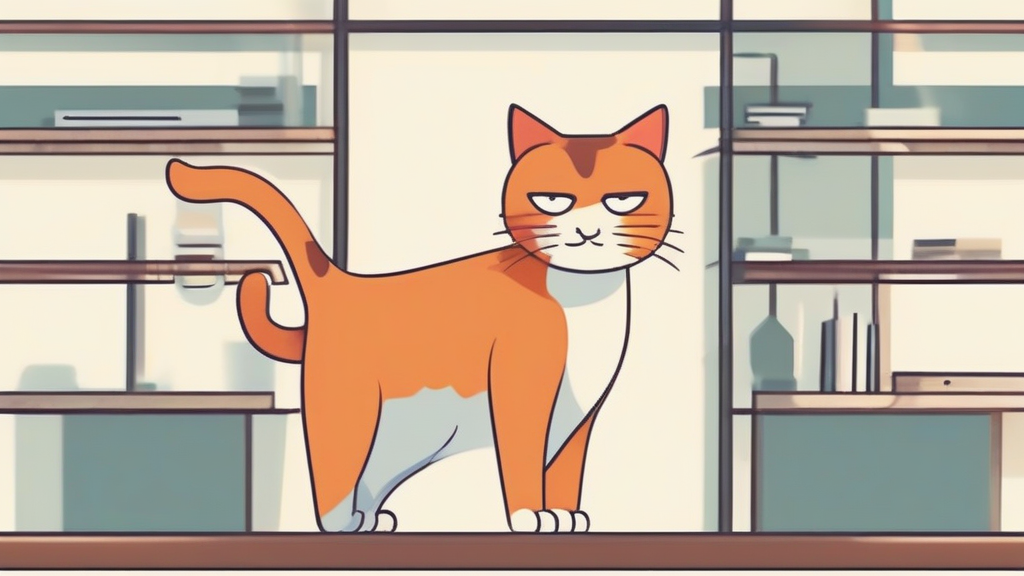
Mastering Scripting for Paws: How to Write Engaging Narratives for Cat Animations is the secret sauce for turning a simple feline video into a viral masterpiece. Whether you are a business owner looking to add personality to your brand or a creator wanting to share your cat's antics, the structure of your script dictates how the audience connects with your furry star.
Writing for animals requires a unique approach because you are bridging the gap between non-verbal behavior and human storytelling. If you have ever wondered why some cat videos feel like mini-movies while others fall flat, the answer lies in the formatting and pacing of the narrative.
- Visual storytelling relies on clear, concise action lines that describe feline body language rather than complex dialogue.
- The standard screenplay format is essential for maintaining professional flow, even for short-form social media clips.
- Understanding the core motivation of your feline protagonist—whether it is a treat, a toy, or a sunny spot—is the engine of your narrative.
The Anatomy of a Feline-Centric Script
Before you start typing, you need to understand the basic building blocks of a script. A standard screenplay format ensures that any animator or editor you hire knows exactly what you want. Think of it as a blueprint for your cat’s digital debut.
Scene Headings and Action Lines
Every script begins with a scene heading, also known as a slugline. It tells the reader where and when the action takes place. For example, INT. LIVING ROOM - DAY sets the stage immediately. Underneath this, you write your action lines.
When you are Scripting for Paws: How to Write Engaging Narratives for Cat Animations, keep your action lines punchy. Instead of writing "The cat walks over to the bowl and looks hungry," try "Barnaby trots to the bowl, tail twitching in anticipation." This gives the animator a specific emotion to work with.
The Power of Non-Verbal Cues
Since your main character probably won't be delivering a Shakespearean monologue, you must rely on visual beats. Cats are masters of subtle communication. A slow blink, a swishing tail, or a sudden ear twitch can convey more than a thousand words.
In your script, call these out as distinct beats. If you are interested in the technical side of how movement is perceived, look at the principles of animation, which emphasize how timing and weight affect the audience's emotional response to a character.
Structuring Your Narrative Arc
Even a thirty-second clip needs a beginning, middle, and end. Without a structure, you just have a collection of random cat clips. You want a story that keeps people watching until the final frame.
Establishing the Hook
You have about three seconds to grab the viewer's attention. Start with a clear objective. What does your cat want? Maybe they are trying to catch a laser pointer or sneak a treat from the counter. This objective serves as your hook.
Introduce the obstacle immediately. If the cat wants a toy, place it on a high shelf that is just out of reach. This creates tension. Tension is what keeps the audience engaged, even if your protagonist is a fluffy tabby.
The Climax and Resolution
The climax is the moment of peak effort. The cat leaps, misses, or finally grabs the prize. Keep this moment fast and energetic. It should feel like a triumph, even if the stakes are incredibly low.
Follow the climax with a short resolution. A quick shot of the cat grooming themselves or settling down for a nap provides a satisfying end to the narrative. This rhythm is fundamental to the art of screenwriting, where pacing dictates the viewer's satisfaction.
Technical Tips for Aspiring Creators
Formatting is not just about aesthetics; it is about efficiency. When you use proper software like Final Draft or Celtx, you save time and ensure your script looks professional. If you are just starting, even a clean Google Doc template can work if you stick to the standard margins.
Using Parentheticals Wisely
Parentheticals are those little lines in parentheses under a character name. Use them to describe how a sound effect should feel. For example, if your cat is meowing, specify if it is a (demanding) meow or a (contented) purr.
Do not overdo it. Too many parentheticals clutter the page and distract the reader from the main action. Trust your animator to understand the intent if the action lines are descriptive enough.
Pro Tip: Always read your script out loud. If you find yourself stumbling over a description of a cat's movement, it is likely too wordy. Simplify until the action flows off the tongue.
Designing for the Platform
Where will your animation live? A script for a TikTok video needs a different rhythm than a script for a YouTube short. For vertical mobile formats, keep your action centered. Avoid wide pans that might get lost on a small screen.
If you are creating for a brand, make sure the cat's personality aligns with the company voice. A luxury cat brand might require a sophisticated, slow-paced script, while a pet toy company might benefit from high-energy, rapid-fire editing cues.
Common Pitfalls to Avoid
One of the biggest mistakes creators make is trying to force human logic onto a cat. Cats are naturally curious and often unpredictable. Your script should allow for that feline "logic."
- Avoid writing dialogue for the cat unless it is a stylistic choice for a comedy.
- Don't ignore the environment. Use the house as a character to enhance the humor.
- Avoid overly complex camera movements that might confuse the viewer.
Remember, the goal is to make the audience feel something. Whether it is a laugh or a "d'aww" moment, your script is the map that leads them there. Keep it simple, keep it visual, and keep the cat's perspective at the center of every scene.
Frequently Asked Questions (FAQ)
Do I need expensive software to format a script?
Not at all. While professional software helps, you can easily use free templates in Google Docs or Word. The most important part is maintaining consistent margins and clear headings so your team can read it easily.
How long should a short cat animation script be?
For social media, aim for 15 to 60 seconds. In script terms, that is roughly one-quarter to one full page. Shorter is usually better for engagement.
Should I include music cues in my script?
Yes, include them as scene headers or notes in the action lines. Music sets the mood for the entire piece, and letting your editor know your vision early on helps the final production.
Now that you have the tools to start your project, pick up your pen and start drafting. Your feline star is waiting for their big break, and with a solid script in hand, you are ready to bring their story to life. Happy writing!
Post a Comment for "How to Format Your First Animated Short Script: A Feline-Friendly Template"