Feline Focus Method vs. Clicker Training: Which One Fits Your Kitten?
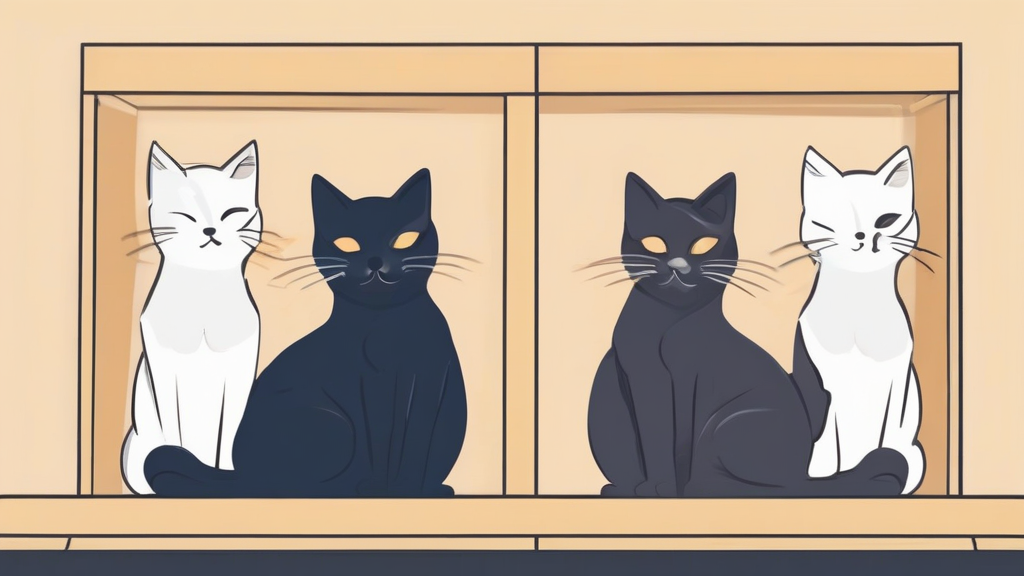
Mastering The Feline Focus Method: How to Train Your Kitten Using Visual Anchors is a transformative experience for any pet owner looking to build a deeper bond with their new companion. If you have ever felt like your kitten is ignoring your commands, you aren't alone. Cats are independent thinkers, and their motivation differs significantly from our canine friends.
Choosing the right training path can feel like a maze. Should you rely on auditory markers like a clicker, or is a visual-based approach more aligned with how your cat perceives the world? Let's break down these two distinct philosophies to see which one fits your home environment.
- The Feline Focus Method prioritizes natural visual tracking, making it ideal for cats that are easily startled by sudden sounds.
- Clicker training relies on precise timing of auditory cues, which works exceptionally well for high-energy, food-motivated kittens.
- Your success depends on understanding your cat's specific sensory strengths, whether they are visual hunters or sound-sensitive learners.
Understanding the Mechanics of Feline Learning
To train a cat, you must first understand animal training principles. Unlike dogs, who were selectively bred to work alongside humans, cats are solitary predators. They don't have an inherent desire to please us; they have an inherent desire to survive and thrive.
When you start training, you are essentially negotiating. You provide a stimulus, the cat performs a behavior, and you provide a reward. The debate between visual and auditory cues often comes down to how a cat interprets their environment during these negotiations.
The Feline Focus Method: How to Train Your Kitten Using Visual Anchors
Visual anchors are physical objects or hand signals that a cat can track. Because cats have incredible motion detection, they are naturally drawn to movement. By using a target stick or a specific hand gesture, you create a "visual anchor" that the kitten can follow without being overwhelmed by noise.
This method is exceptionally gentle. It doesn't require the cat to associate a metallic "click" with a treat, which can sometimes be jarring for nervous or shy kittens. Instead, the focus remains entirely on the relationship between the visual cue and the reward.
Why Clicker Training Remains a Popular Choice
Clicker training is a form of operant conditioning that uses a distinct sound to mark the exact moment a desired behavior occurs. It is precise. When the click happens, the cat knows a treat is coming, regardless of where they are looking.
The primary advantage here is clarity. If your kitten is running across the room and performs a trick, a visual anchor might be missed, but a clicker sound cuts through the noise. It tells the cat exactly what they did right, even if they aren't looking at you.
Comparing Sensory Strengths
Every kitten has a personality profile. Some kittens are "eye-cats," meaning they are constantly scanning their surroundings for movement. Others are "ear-cats," reacting instantly to the crinkle of a treat bag or the sound of your voice.
If your kitten is an "eye-cat," The Feline Focus Method: How to Train Your Kitten Using Visual Anchors will likely yield faster results. They will fixate on the target, follow it, and learn the sequence of movements far more intuitively than if they had to listen for a signal.
However, if your kitten is highly food-motivated and easily distracted, a clicker can act as a bridge. It creates a secondary reinforcer that keeps them engaged even when they lose sight of the target. It’s about finding the medium that keeps their brain engaged.
Practical Tips for Implementation
Regardless of the method you choose, consistency is the foundation of success. Training sessions should be short, ideally no longer than five minutes. If you go too long, your kitten will lose interest and start looking for a nap.
Always keep your training sessions positive. If you feel frustrated, stop immediately. Your kitten can read your body language, and if you are tense, they will be too. Training should feel like a game for both of you.
- Start in a quiet room with minimal distractions to ensure your kitten can focus on the cue.
- High-value treats are non-negotiable; use something smelly and small, like freeze-dried liver.
- End on a high note, finishing the session with a successful repetition and a final reward.
Common Challenges and How to Overcome Them
One of the biggest hurdles is the "boredom factor." Kittens have short attention spans. If you find your cat walking away, you might be moving too fast or using a reward that isn't exciting enough. Switch up your rewards to keep the mystery alive.
Another issue is timing. If you use the visual anchor method, ensure your hand signals are consistent. If you change your gesture every time, the cat will be confused. Pick one motion—like a circular movement with your finger—and stick to it until the behavior is learned.
If you choose the clicker, remember that the sound must happen during the behavior, not after. If you click after the cat has already sat down and started looking around, you are rewarding the wrong thing. Precision is your best friend.
The Verdict: Which One Fits Your Kitten?
There is no "better" method; there is only the method that works for your specific cat. If you are a calm, observant owner who wants to build a silent, fluid communication style, visual anchors are your best bet. It feels natural and requires less "equipment" to get started.
If you enjoy the technical side of training and want to teach complex tricks that require precise timing, the clicker is a powerful tool. It allows for a level of accuracy that is difficult to achieve with hand signals alone.
Start with one method and give it a fair trial for at least two weeks. You might find that your kitten responds better to one than the other. Don't be afraid to pivot if you aren't seeing progress. The ultimate goal is a happy, stimulated kitten and a stronger bond between you and your feline friend.
Frequently Asked Questions (FAQ)
Can I combine The Feline Focus Method with clicker training?
Yes, absolutely. Many trainers use a visual anchor to guide the kitten into position and a clicker to mark the exact moment the behavior is completed. This hybrid approach often produces the fastest results.
How old should a kitten be before I start training?
You can start training as soon as a kitten is eating solid food and showing interest in rewards, usually around 8 to 10 weeks old. Keep sessions extremely brief to match their developmental stage.
What if my kitten is afraid of the clicker sound?
Some kittens are sensitive to loud, sharp noises. If your cat shows signs of fear, you can muffle the clicker with tape or use a softer sound, like a ballpoint pen click. If they remain nervous, switch entirely to visual anchors.
Post a Comment for "Feline Focus Method vs. Clicker Training: Which One Fits Your Kitten?"