Zero-Waste Kitten Care: Simple Habits for a Greener Home
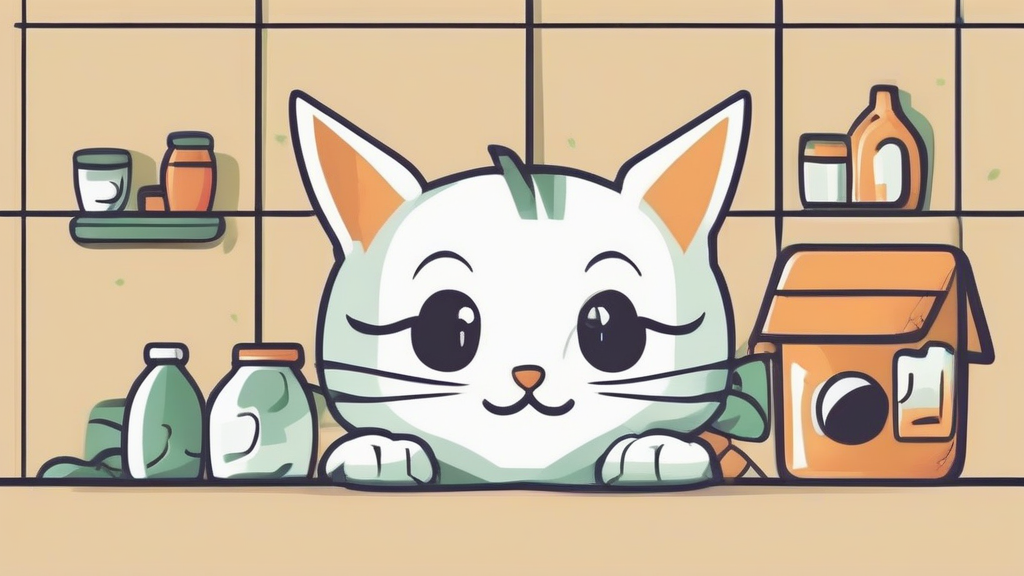
Adopting a new kitten is a thrill, but embracing Sustainable Feline Care: Eco-Friendly Habits for New Kitten Owners is how we ensure that joy doesn't cost the earth. Many of us don't realize how much waste a tiny creature can produce, from plastic toy wrappers to non-biodegradable litter. Shifting toward a greener routine isn't just about saving the planet; it’s about creating a healthier, non-toxic environment for your furry friend.
- Choose biodegradable litter materials like pine or wheat to minimize landfill contributions.
- Upcycle household items into DIY toys instead of buying mass-produced plastic alternatives.
- Prioritize high-quality, sustainably sourced food to reduce the carbon footprint of your pet’s diet.
The Philosophy of Sustainable Feline Care: Eco-Friendly Habits for New Kitten Owners
When I first brought my kitten home, I was overwhelmed by the sheer volume of plastic packaging. It felt like every purchase came with a side of trash. That’s when I realized that being a responsible pet parent requires a shift in mindset. We have to look at our carbon footprint through the lens of our feline companions.
Sustainability in pet care doesn't mean sacrificing quality. It means being intentional. It means looking for items that last, avoiding single-use plastics, and supporting brands that care about the environment as much as we care about our pets.
Rethinking the Litter Box Experience
Traditional clay litter is a major environmental offender. Most of it is strip-mined, which destroys habitats, and it ends up sitting in landfills for centuries. Switching to natural alternatives is one of the most effective ways to lower your waste output.
Look for litter made from sustainable, renewable resources. Options like wood pellets, wheat, or corn are often compostable. While you should never compost cat waste due to toxoplasmosis risks, the litter material itself is far better than clay. Plus, these options are often lighter and easier to carry home from the store.
Green Feeding Strategies for Your Kitten
Feeding a kitten is a daily commitment that adds up over time. If you use individual plastic cans or pouches every single day, you are contributing a massive amount of waste to your local bin. How can we make this process cleaner?
Buying in bulk is the easiest win. Large cans reduce the ratio of packaging to food significantly. If your kitten is a picky eater, try to find brands that use recyclable metal cans rather than complex plastic-foil pouches that cannot be recycled in most municipal systems.
Selecting Sustainable Protein Sources
The meat industry has a significant environmental impact. While cats are obligate carnivores and need animal protein to thrive, you can still make conscious choices. Look for brands that prioritize humanely raised proteins or those that use by-products that would otherwise go to waste.
Some companies are now experimenting with insect-based proteins, which require a fraction of the water and land compared to beef or chicken. It might sound strange, but your kitten won't mind the flavor if the nutritional profile is balanced correctly.
Playtime Without the Plastic Waste
Walk into any pet store and you’ll see aisles of bright, plastic-wrapped toys. Most of these are designed to be discarded once the kitten loses interest or breaks them. Instead of falling for the marketing, try looking around your own home.
Cats are notoriously simple creatures. A cardboard box is often more exciting than a twenty-dollar electronic mouse. You can create amazing enrichment tools using toilet paper rolls, old t-shirts, or sturdy hemp rope.
DIY Toys That Last
If you have an old sock and a bit of organic catnip, you have a high-quality toy. Stuff the sock, tie a knot, and watch your kitten go wild. Because you made it yourself, you know exactly what materials are inside, which keeps your kitten safe from questionable synthetic dyes or glues.
When you do buy toys, stick to natural materials. Wool, sisal, and organic cotton are durable and biodegradable. If a toy breaks, it won't linger in a landfill for a thousand years.
Creating a Low-Waste Environment
Beyond food and toys, consider the furniture you bring into your home. Cat trees are often made with cheap particleboard and synthetic carpeting. These items are rarely recyclable and often contain formaldehyde glues.
Investing in a high-quality, solid wood cat tree might cost more upfront, but it lasts for years. When it finally wears out, the materials are often compostable or can be repurposed. It’s a classic case of buying less, but buying better.
Cleaning Up After Your Pet
Cleaning products are another area where we can do better. Many pet-safe cleaners come in single-use plastic bottles. Try using white vinegar and water for general surface cleaning, or look for concentrated cleaning tablets that dissolve in reusable glass spray bottles.
When it comes to picking up waste, skip the plastic bags. Use compostable bags if you must, or look into a flushable litter system if your local plumbing and environmental regulations allow it. Every small change reduces the volume of plastic heading to the dump.
The Long-Term Impact of Your Choices
It’s easy to feel like one person can't make a difference. But when you aggregate the habits of millions of cat owners, the potential for positive change is enormous. By choosing sustainable feline care, you are voting with your wallet for a better industry standard.
Don't be too hard on yourself if you can't be perfect. Transitioning to a zero-waste lifestyle is a marathon, not a sprint. Start with one change, like switching your litter, and build from there. Your kitten will be just as happy, and your conscience will be much lighter.
Ultimately, the best thing you can do for the planet is to be a present and loving owner. A healthy, well-cared-for cat is the goal, and sustainability is simply the path we take to get there. Keep experimenting with new ideas and stay curious about what else you can optimize in your home.
Frequently Asked Questions (FAQ)
Is it safe to switch my kitten to natural litter?
Yes, most kittens adapt quickly to natural litters like pine or corn. Introduce it gradually by mixing a small amount with their current litter to ensure they get used to the texture.
Are DIY toys really safe for my kitten?
They are, provided you use non-toxic materials. Ensure there are no small parts that could be swallowed, and always supervise playtime with new objects to make sure they don't ingest loose threads.
How can I reduce food waste if my kitten is a picky eater?
Try buying small quantities of a few different high-quality, sustainable brands to see what they prefer. Once you find a winner, buy in the largest can size available to minimize packaging waste.
Post a Comment for "Zero-Waste Kitten Care: Simple Habits for a Greener Home"