Top 10 High-Protein Kitten Foods for Optimal Muscular Development
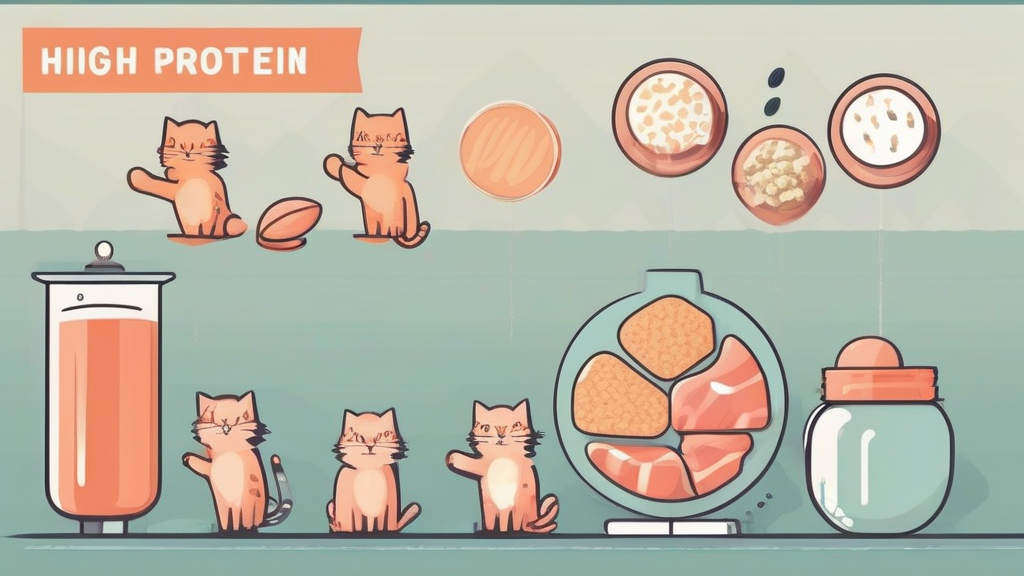
Focusing on Nutritional Architecture: Building a Long-Term Health Foundation for Kittens is the single most effective way to ensure your feline companion thrives. As a cat owner, I have learned that the first year of a kitten's life is a critical window where their biological systems are essentially being hard-coded for future vitality.
High-protein diets are not just a trend; they are a biological necessity for these obligate carnivores. When we talk about growth, we are talking about the rapid synthesis of tissues, enzymes, and hormones that rely heavily on quality amino acids.
- Prioritize animal-based proteins as the primary ingredient to support rapid skeletal and muscular growth.
- Avoid fillers and plant-based proteins that lack the complete amino acid profiles required for feline health.
- Consistency in feeding high-quality nutrients creates a metabolic baseline that prevents chronic illness in adulthood.
Why Protein is the Cornerstone of Feline Growth
Kittens are essentially tiny, high-speed growth machines. Their bodies are constantly working to build muscle mass, strengthen bones, and develop a robust immune system. Unlike humans, cats have a unique metabolism that requires a constant influx of protein to maintain energy levels and repair tissues.
When I look at a kitten food label, I am looking for the hierarchy of ingredients. If the first ingredient is corn, wheat, or soy, I move on. A kitten's digestive tract is designed to process animal-derived nutrients efficiently. By providing high-quality meat sources, you are giving their body the building blocks it needs without forcing the liver and kidneys to work overtime processing unnecessary carbohydrates.
Nutritional Architecture: Building a Long-Term Health Foundation for Kittens
Many owners treat kitten food as a temporary necessity, but the reality is that you are setting the stage for their entire life. Think of this phase as laying the foundation of a house; if the concrete is weak, the structure will eventually crack. Proper Nutritional Architecture: Building a Long-Term Health Foundation for Kittens requires a balance of taurine, calcium, and essential fats alongside high protein levels.
Taurine is non-negotiable. Without it, kittens can face severe developmental issues, including heart problems and vision loss. High-protein diets that focus on whole-meat sources naturally provide the taurine required for a kitten to reach their full genetic potential.
Selecting the Right Protein Sources for Your Kitten
Not all proteins are created equal. You want to see "named" meats on the label, such as chicken, turkey, or salmon, rather than vague "meat by-products." These specific sources ensure that the protein is bioavailable and rich in the essential amino acids that domesticated cats need to flourish.
I always check for the presence of DHA, which is an omega-3 fatty acid crucial for brain development. When you pair high protein with healthy fats, you are supporting not just the muscles, but the cognitive development that makes a kitten bright, active, and responsive.
Top 10 High-Protein Kitten Food Picks
Finding the right balance can be overwhelming with the sheer number of options on the shelves. Here are ten brands that consistently deliver on the promise of high-protein, nutrient-dense formulas:
- Orijen Kitten: Unmatched in its high-meat content and biological appropriateness.
- Wellness CORE Grain-Free Kitten: A fantastic option for those wanting to avoid common allergens while keeping protein high.
- Instinct Original Kitten: Features raw-coated kibble for an extra boost of nutrition and palatability.
- Ziwi Peak Air-Dried Kitten: Though pricey, it mimics a natural diet better than almost any other commercial option.
- Blue Buffalo Wilderness Kitten: Widely available and consistently high in protein from real chicken.
- Purina Pro Plan Kitten: A scientifically backed formula that many veterinarians recommend for balanced growth.
- Nulo Freestyle Kitten: Uses a unique probiotic blend to support digestion alongside high protein.
- Tiki Cat Baby: Excellent for those who prefer high-moisture, wet food diets for their growing kittens.
- Taste of the Wild Rocky Mountain: Uses novel proteins like roasted venison and smoked salmon.
- Merrick Backcountry Kitten: Combines protein-rich kibble with freeze-dried raw pieces for a nutrient-dense meal.
Managing the Transition and Feeding Schedule
Introducing a new diet should never be done overnight. I recommend a ten-day transition period where you slowly mix the new, high-protein food into the old food. This prevents tummy upsets and allows your kitten's digestive system to adapt to the higher nutrient density.
Remember that kittens have tiny stomachs but high caloric needs. Instead of two large meals, aim for three to four smaller, nutrient-dense meals throughout the day. This keeps their blood sugar stable and prevents the lethargy that can come from a sudden "food coma" after a massive meal.
The Long-Term Impact of Quality Nutrition
Investing in your kitten's diet today is an investment in their future. Cats that grow up on high-protein diets often maintain healthier weights, have shinier coats, and exhibit higher energy levels well into their senior years. It is about preventing problems before they start.
Keep a close eye on your kitten's body condition. You should be able to feel their ribs without them being prominent, and they should have a clear "waist" when viewed from above. If they start putting on too much weight, adjust the portion sizes rather than switching to a lower-quality food.
Frequently Asked Questions
How much protein should a kitten have daily?
Kittens require a diet that is at least 30-45% protein on a dry matter basis to support their rapid muscle and bone development.
Is grain-free better for my kitten?
While not strictly necessary for every cat, grain-free diets often contain higher levels of animal-based protein, which is generally better for an obligate carnivore.
Can I feed my kitten adult cat food?
You should avoid adult formulas until your kitten is at least one year old, as they lack the specific calorie and nutrient density required for rapid growth.
Ultimately, the goal is to provide a diet that respects the cat's evolutionary history. By choosing high-protein options, you are honoring their biology and giving them the best possible start in life. Take the time to read those labels, observe your kitten's energy levels, and make adjustments as they grow. You are the architect of their health, and that responsibility pays off in years of purrs, play, and companionship.
Post a Comment for "Top 10 High-Protein Kitten Foods for Optimal Muscular Development"