Understanding Kitten Socialization Science: Beyond Just Playing with Other Pets
When you bring a tiny ball of fluff home, you quickly realize that
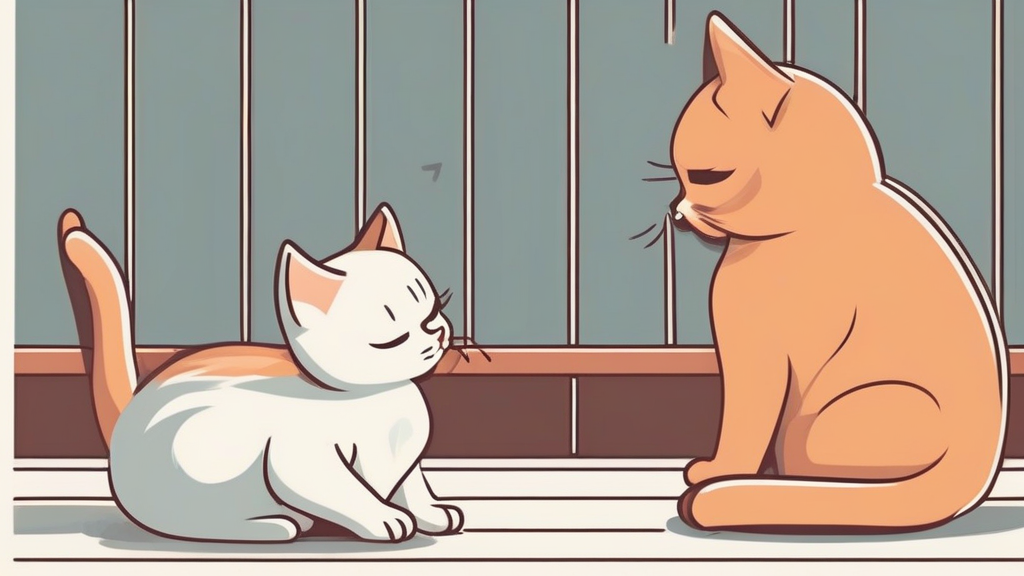
Kitten Socialization Science: Beyond Just Playing with Other Pets is the secret to a harmonious life. Many owners assume that simply letting their cat romp around with a sibling is enough. However, true development requires intentional guidance, especially when those sharp little claws start finding your favorite armchair.
If you have ever found yourself staring at a shredded sofa, you know the struggle is real. Training isn't just about discipline; it is about communication. By shifting our focus toward positive reinforcement, we can teach our feline companions where to direct their energy without causing damage to our homes.
- Positive reinforcement relies on rewarding desired behaviors rather than punishing unwanted ones to build trust.
- Socialization extends far beyond pet-to-pet interaction; it involves exposing kittens to various stimuli, surfaces, and human handling.
- Scratching is a natural cat behavior, not a malicious act, so redirection is more effective than scolding.
The Biology Behind the Scratch
Why do they insist on destroying your furniture? To a cat, scratching is as fundamental as breathing. They possess scent glands in their paws that leave behind pheromones, marking their territory. It is their way of saying, "I was here, and this place is safe."
Beyond marking, scratching serves as a vital tool for claw maintenance. It allows them to shed the outer dead layers of their nails, keeping them sharp and healthy. When we understand that this is a biological necessity, we stop seeing it as a behavioral problem to be "fixed" and start seeing it as an instinct to be redirected.
Redirecting the Instinct
The goal is not to stop the scratching, but to manage where it happens. If you try to suppress the urge entirely, you will likely end up with a stressed pet. Instead, provide high-quality alternatives that feel better than your sofa.
Look for posts that are tall enough for a full stretch. Kittens love to extend their entire bodies while scratching, so a wobbly, short post will usually be ignored. If the post doesn't offer the right resistance, they will simply head back to the couch.
Implementing Positive Reinforcement
Punishment is a relic of the past. When you yell or spray water at a kitten, you aren't teaching them to stop scratching; you are teaching them to fear you. Positive reinforcement, on the other hand, creates a bond of trust.
When you see your kitten using the scratching post, celebrate it. Offer a high-value treat or a quick play session immediately. This creates a powerful association: "Scratching this post leads to something amazing."
The Role of Consistency
Consistency is the bedrock of any training program. If you allow the kitten to scratch the rug one day and scold them the next, you are creating confusion. Everyone in the household must be on the same page.
Keep the scratching posts in high-traffic areas. Kittens are social creatures; they want to be where the action is. If you hide the post in a basement corner, your kitten will likely return to the living room furniture because that is where they feel most comfortable.
Kitten Socialization Science: Beyond Just Playing with Other Pets
True socialization is about confidence. A well-socialized kitten is one that remains calm in the face of new experiences. This is where
operant conditioning comes into play. By rewarding your kitten for calm interactions with new objects, you are building a resilient personality.
Socialization isn't limited to other cats or dogs. It includes being handled by different people, hearing the vacuum cleaner, and experiencing different floor textures. When a kitten is well-rounded, they are less likely to experience the anxiety that often leads to destructive behaviors like excessive scratching or over-grooming.
Building Confidence Through Play
Play is the primary way kittens learn about their world. Use interactive toys to burn off that excess energy. A tired kitten is a well-behaved kitten.
When your kitten is mid-play, occasionally lure them toward the scratching post. If they scratch it, reward them. By integrating the post into their play routine, it becomes a natural part of their environment rather than an odd, stationary object they ignore.
Common Mistakes to Avoid
Many owners accidentally reinforce bad behavior by giving attention when the kitten scratches the sofa. Even negative attention, like yelling, can be seen as "engagement" by a bored kitten. If you provide a reaction, you have just rewarded the behavior.
Instead, use the "ignore and redirect" method. If your kitten starts scratching the furniture, calmly pick them up and place them on the post. Once they touch the post, reward them. If they ignore you, simply walk away. Removing your attention is often the most powerful tool you have.
Choosing the Right Materials
Not all scratching posts are created equal. Some cats prefer sisal rope, while others prefer cardboard or carpet. Pay attention to what your kitten naturally chooses to scratch. If they love the texture of your rug, a cardboard scratcher might be the perfect alternative.
If they prefer the vertical stretch of your chair, ensure your post is sturdy and tall. You might even consider horizontal scratchers if your kitten prefers to scratch at floor level. Variety is the spice of life, and it’s also the key to saving your furniture.
The Long-Term Benefits of Early Training
Starting early makes a world of difference. Kittens are like sponges, soaking up information about their environment. By establishing these boundaries and positive habits during their first few months, you are setting the stage for a peaceful adulthood.
You will find that as your kitten matures, they become more predictable. They know the rules, they know the rewards, and they know where they are allowed to express their natural instincts. This leads to a much stronger relationship between you and your cat.
When you choose to train with kindness, you are doing more than just protecting your furniture. You are nurturing a companion who feels secure, understood, and happy in your home.
Frequently Asked Questions (FAQ)
Why does my kitten ignore the scratching post I bought?
Your kitten likely finds the post unstable or placed in an inconvenient location. Ensure it is sturdy, tall enough for a full stretch, and situated in a room where you spend most of your time.
Is it okay to use a spray bottle to stop scratching?
No, spray bottles often damage the human-animal bond and increase anxiety. Focus on rewarding the kitten for using the appropriate scratching surface instead of punishing them for natural behavior.
How do I know if my kitten is properly socialized?
A well-socialized kitten is curious, not fearful, when introduced to new people or environments. They should be able to recover quickly from startling noises and show interest in interacting with you and their toys.
Post a Comment for "Stop the Scratching: Positive Reinforcement Training for Kittens"