Understanding Kitten Socialization Science: Beyond Just Playing with Other Pets
When I brought my first rescue kitten home, I assumed that
Kitten Socialization Science: Beyond Just Playing with Other Pets was mostly about introducing her to my older dog. I was wrong. Watching her grow, I realized that true development happens during those quiet, solo play sessions where she builds her own physical and mental autonomy.
Socialization isn't just about how a cat interacts with the world or other animals. It is about how they process sensory input and build the confidence to handle new environments. By choosing the right tools, you aren't just entertaining a bored animal; you are actively shaping a resilient, well-adjusted feline companion.
- Socialization is a neurodevelopmental process that requires individual, toy-based interaction to build confidence.
- Physical coordination is directly linked to cognitive growth; movement-based toys help map the brain's spatial awareness.
- Structured play sessions provide the security a kitten needs to experiment with their natural hunting instincts safely.
Why Play is More Than Just Fun
Most people view toys as simple distractions, but they are actually developmental aids. If you look at the
cat intelligence research, you will find that play is the primary way kittens learn to assess risk and reward.
When a kitten stalks a toy, they are practicing focus. When they pounce, they are testing their motor control. If we neglect these opportunities, we miss a critical window for building their "emotional IQ." A confident cat is one that has mastered their own body.
1. The Wand Toy: Mastering Spatial Awareness
The classic feather wand is the gold standard for a reason. It allows you to simulate the movement of prey, which encourages the kitten to track, jump, and twist.
This movement is essential for developing their vestibular system—the part of the inner ear responsible for balance and spatial orientation. By controlling the speed and height of the wand, you are essentially guiding their physical education.
2. Puzzle Feeders: Building Cognitive Confidence
Confidence comes from solving problems. Puzzle feeders force a kitten to use their paws and nose to retrieve a treat, which mimics the natural foraging behavior of wild felines.
This type of mental stimulation is vital for preventing anxiety. When a kitten realizes they have the power to "unlock" a reward, they become more assertive and less likely to be fearful of new household objects or sudden noises.
3. Self-Rolling Balls: Testing Independence
Sometimes, a kitten needs to play without a human hovering over them. Self-rolling balls that change direction upon hitting an obstacle are perfect for this.
They help the kitten learn to anticipate movement and adjust their trajectory accordingly. This builds the kind of independence that makes for a less clingy, more secure adult cat.
4. Tunnels and Hideaways: The Science of Security
You might not think of a tunnel as a "toy," but it is one of the most important tools for
cat behavior management. Kittens often feel vulnerable in open spaces.
Having a "safe zone" that they can dart in and out of gives them the courage to explore the rest of the room. It creates a base of operations, allowing them to retreat if they feel overwhelmed and re-emerge when they are ready to engage again.
5. Interactive Robotic Butterflies: Consistent Pattern Recognition
Robotic toys that move in predictable, yet slightly erratic patterns, help a kitten refine their hunting speed. Because the toy doesn't tire out like a human arm, the kitten can engage in longer, more sustained periods of exercise.
This helps them learn how to regulate their energy levels. A kitten that learns to burn off steam through structured play is a kitten that sleeps better at night and exhibits fewer behavioral issues.
Applying Kitten Socialization Science: Beyond Just Playing with Other Pets
Integrating these toys into your daily routine is about consistency. You don't need to spend hours; just fifteen minutes of focused, high-quality play can make a massive difference.
Observe how your kitten reacts to different textures and movements. Do they prefer fast, erratic motion or slow, creeping prey simulations? Tailoring your approach to their specific personality is the true secret to effective socialization.
Remember that every kitten matures at a different pace. Some might be naturally bold, while others are shy observers. Use these toys to bridge that gap, acting as a supportive partner in their journey toward adulthood.
Frequently Asked Questions (FAQ)
How much playtime does a growing kitten actually need?
Kittens are high-energy, but they also sleep a lot. Aim for three to four 15-minute sessions throughout the day. This keeps them engaged without exhausting their developing bodies.
Can I over-stimulate my kitten with too many toys?
Yes, it is possible. If your kitten seems frantic or unable to settle down, take away the high-energy toys and switch to a slower, more soothing activity like a puzzle feeder or a soft tunnel to help them decompress.
Is it better to play with them or let them play alone?
Both are important. Interactive play with you builds the human-cat bond, while solo play with puzzles or balls builds their independent confidence and problem-solving skills. Balance is the key.
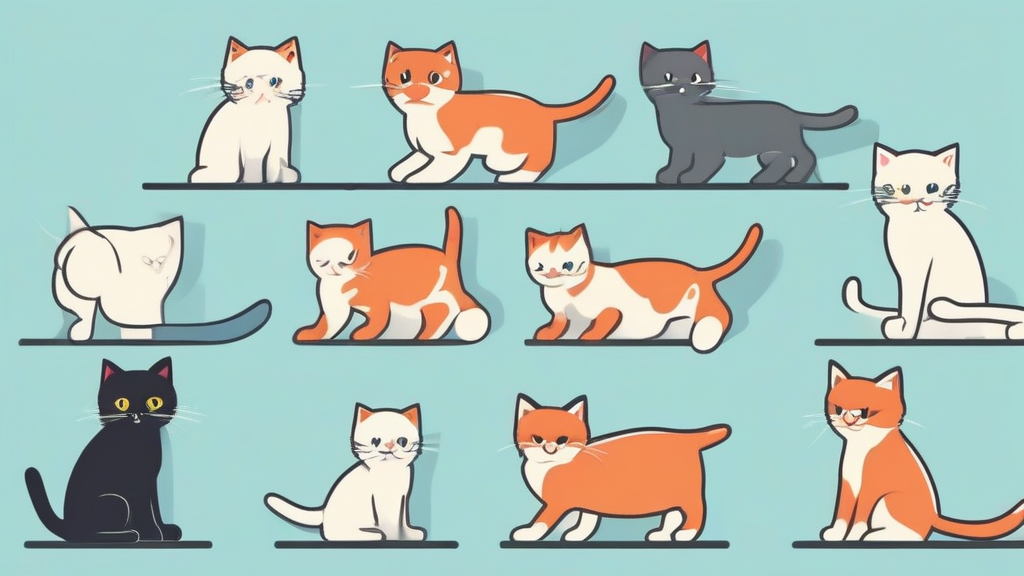
Post a Comment for "5 Best Kitten Socialization Toys for Developing Confidence and Coordination"