Communication Breakdown: Why Your Kitten’s Ear Movement Matters in Bonding
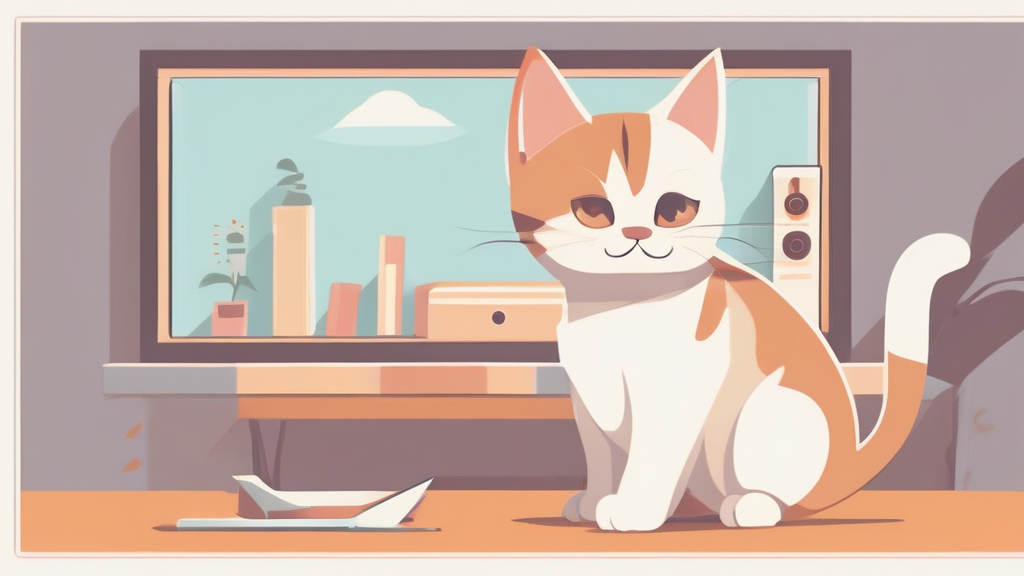
Understanding Your Kitten’s Silent Language
When you bring a new furball home, you quickly realize that decoding kitten micro-signals: what your feline’s ears are telling you is the secret key to a harmonious household. While we often focus on meows or purrs, the real conversation happens right on top of their fuzzy little heads.
I remember when I brought my first kitten, Luna, home. She spent the first three days hiding under the sofa, and I was convinced she hated me. It wasn't until I started paying attention to the subtle swiveling of her ears that I realized she wasn't angry—she was just overwhelmed and listening to the hum of the refrigerator.
Key Takeaways
- Ear position acts as a primary emotional barometer for your kitten, signaling everything from curiosity to fear.
- Learning to read these micro-signals prevents accidental stress and helps build deep, lasting trust.
- Consistent, calm observation allows you to adjust your behavior to match your kitten's comfort level.
The Anatomy of Feline Expression
Kittens are masters of non-verbal communication. Their ears are incredibly mobile, controlled by over two dozen muscles that allow them to rotate independently. This mobility is a remnant of their ancestral need for predation and survival in the wild.
When those ears perk up, they are gathering information. When they flatten, they are protecting themselves. By observing these movements, you are essentially learning a new language. You don't need to be a professional ethologist to understand what your pet is feeling; you just need to be present.
Decoding Kitten Micro-Signals: What Your Feline’s Ears Are Telling You During Play
Playtime is when you will see the most rapid ear movement. If your kitten is pouncing on a feather toy, you might notice their ears rotating forward and slightly outward. This is the "hunter mode" configuration.
If their ears twitch backward while they are playing, it usually means they are processing a new sound or feeling slightly overstimulated. If you keep pushing the toy at them during this phase, you might trigger a "play-aggression" response where they latch onto your hand. Backing off the moment you see those ears flick back is a pro-move for avoiding scratches.
Interpreting Fear and Anxiety
We all want our kittens to feel safe, but kittens are naturally skittish. Understanding when they feel vulnerable is crucial for socialization. If your kitten’s ears are pinned flat against their head, they are telling you they are terrified or preparing to defend themselves.
Never force a kitten into a situation when their ears are pinned. Instead, give them space. A kitten's sense of hearing is far more sensitive than ours, and a loud noise that seems minor to you might be a deafening roar to them. If the ears are held low and sideways, often called "airplane ears," they are likely feeling anxious or uncertain about their surroundings.
Why Context Matters
You cannot look at the ears in isolation. You have to look at the whole package. A kitten with forward-facing ears might be happy, but if their tail is puffed up, they are actually on high alert.
The ears are the most reliable indicator, but the eyes and the whiskers play a supporting role. If the ears are forward and the eyes are soft, you have a happy camper. If the ears are forward and the eyes are wide and dilated, your kitten is likely startled or intense.
Building Trust Through Observation
The bond you share with your kitten is built on mutual respect. When you acknowledge their communication, you validate their feelings. If you notice your kitten's ears moving toward you while you are talking, they are listening to your voice, which is a great sign of bonding.
Try talking to your kitten in a low, steady tone while watching their ears. You will often see them "flick" toward the sound. This is a sign of engagement. By responding to these micro-signals, you are teaching them that you are a reliable, non-threatening presence in their life.
Consistency is everything. If you see your kitten’s ears swivel away from you, it is not a rejection; it is just a distraction. Wait until they are relaxed and looking in your direction before initiating play or affection. This patience pays off significantly as they grow into adult cats.
Frequently Asked Questions (FAQ)
What does it mean when my kitten's ears are twitching rapidly?
Rapid ear twitching usually means your kitten is processing multiple sounds or is in a state of high excitement. It is a sign of alertness and curiosity, common when they are watching birds or bugs.
Should I be worried if my kitten keeps their ears flat?
If the ears are flat for a short time during play, it is usually harmless. However, if they remain flattened for an extended period, your kitten is likely feeling stressed, scared, or in pain, and you should provide them with a quiet, safe space.
Can I use ear movement to tell if my kitten is happy?
Yes, happy kittens typically have their ears held upright and forward. When they are relaxed, the ears may slightly tilt outward, indicating they feel secure and content in their environment.
Take a moment today to just sit and watch your kitten. Don't try to pet them or play; just observe. Notice how their ears react to the sound of your breathing or the movement of a shadow. Once you start really seeing those signals, you will find that your relationship with your cat becomes much more intuitive and rewarding. Happy bonding!
Post a Comment for "Communication Breakdown: Why Your Kitten’s Ear Movement Matters in Bonding"