Why Older Cats Don't Always Teach Kittens Manners (And What to Do)
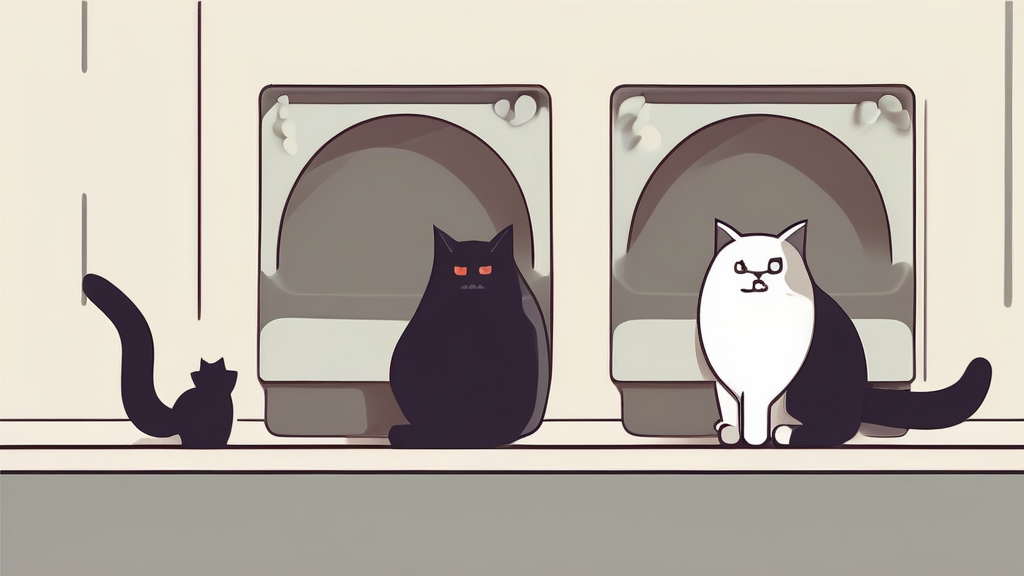
When it comes to Kitten Socialization Science: Beyond Just Playing with Other Pets, many owners assume that bringing a new kitten into a home with an established senior cat is a foolproof way to ensure good manners. We often romanticize the image of a wise, older mentor teaching a rambunctious youngster how to behave. Unfortunately, the reality is rarely that poetic.
I have seen countless owners feel frustrated when their senior cat retreats to the top of a bookshelf, leaving the kitten to run wild. It is easy to blame the older cat for being "grumpy" or "antisocial." However, if we look at the biology and behavioral needs of felines, we realize that expecting a senior cat to act as a surrogate mother is often setting everyone up for failure.
- Older cats are often biologically ill-equipped to handle the high-energy demands of a kitten, leading to stress rather than mentorship.
- Socialization is a developmental window that relies heavily on early exposure, not just the presence of other resident animals.
- Human intervention is necessary to provide appropriate outlets for predatory play, as relying on an older cat can lead to behavioral suppression or aggression.
The Myth of the Feline Mentor
There is a persistent belief that an older cat will naturally "correct" a kitten’s behavior through discipline. If a kitten bites too hard, the theory goes, the older cat will swat them, and the kitten will learn a valuable lesson in etiquette. While this sometimes happens, it is not a reliable educational strategy.
In the wild, maternal care is a finite period. Once a kitten is weaned, the mother’s role in "teaching" diminishes significantly. By the time a cat reaches its senior years, its patience for high-intensity play—a hallmark of cat communication and development—is practically non-existent. Expecting a twelve-year-old cat to suddenly embrace the role of a kindergarten teacher is a misunderstanding of feline aging.
Why Older Cats Choose Avoidance
When a senior cat ignores a kitten or hides, it is not necessarily a sign of a personality flaw. It is a strategic move to preserve their energy and minimize stress. Senior cats often experience subtle joint pain or reduced hearing, making the unpredictable movements of a kitten genuinely overwhelming.
If you force an interaction, you risk creating a negative association. The kitten might become a source of anxiety rather than a companion. True Kitten Socialization Science: Beyond Just Playing with Other Pets suggests that successful integration is built on parallel living, not forced social lessons.
Understanding the Socialization Window
The critical period for a kitten to learn social skills occurs between two and seven weeks of age. During this time, they learn the nuances of bite inhibition and body language from their siblings and mother. If a kitten is removed from that environment too early, they may lack the fundamental tools to interact with other animals.
By the time they enter your home, their "social software" is largely already written. If they missed those early lessons, an older cat is unlikely to rewrite that code. Instead, the kitten needs structured play that mimics the hunting behaviors they would have refined in the wild. This is where predatory aggression management comes into play, as kittens need to learn that hands and feet are not prey.
The Role of Human Interaction
If the older cat isn't doing the teaching, the responsibility falls squarely on the human. You are the surrogate mentor. You must provide toys that allow the kitten to burn off energy without involving the resident cat. Fishing-pole style toys are excellent for this because they keep your own hands at a safe distance while allowing the kitten to satisfy their hunting instincts.
Consistent redirection is the key. When the kitten gets too rough, stop the play immediately. Do not use your hands to wrestle with the kitten, as this reinforces the idea that skin is a toy. If you allow this behavior, you are essentially teaching the kitten that biting is acceptable, regardless of what the older cat does.
Practical Steps for a Harmonious Home
So, how do we foster peace when the mentor isn't stepping up? It starts with environmental enrichment. If your home is set up to keep the kitten occupied, the older cat will feel much more secure. Vertical space is your best friend here. Ensure your senior cat has high perches that the kitten cannot easily access. This gives them a "safe zone" where they can observe the household without feeling threatened.
Another tip is to provide separate resources. While they might eventually share, keeping food, water, and litter boxes in different locations prevents resource guarding. If the senior cat feels their territory is being invaded, their tolerance for the kitten’s antics will drop to zero. By reducing the pressure on the senior, you actually increase the likelihood that they will eventually tolerate, or even bond with, the younger cat.
Managing Play Sessions
Schedule at least two intense play sessions per day for the kitten. A tired kitten is a well-behaved kitten. If they have already expended their energy chasing a laser pointer or a feather wand, they are far less likely to harass the older resident cat. This approach aligns with the principles of Kitten Socialization Science: Beyond Just Playing with Other Pets, focusing on the individual needs of both animals.
Observe the body language of both cats closely. If the older cat’s tail is twitching or their ears are pinned back, separate them immediately. Never wait for a fight to break out. Proactive management is the difference between a long-term friendship and a lifetime of resentment between your pets.
When Professional Help is Needed
Sometimes, despite our best efforts, the friction remains. If the older cat begins to show signs of chronic stress—such as over-grooming, hiding, or changes in eating habits—it is time to consult a feline behaviorist. These professionals can look at the environment and the specific dynamics of your cats to provide a tailored plan.
Remember, not every cat is destined to be a best friend to every other cat. Some cats are simply "only children" at heart. If they can coexist peacefully without constant conflict, that is a success in its own right. Do not push for a deep, cuddly bond if the cats are content with a respectful, distant relationship.
Frequently Asked Questions (FAQ)
Will my kitten eventually grow out of pestering my older cat?
Most kittens will calm down significantly once they reach social maturity, which usually happens between 18 and 24 months. Until then, you must provide plenty of exercise to manage their energy levels.
Should I discipline my kitten when they bother the senior cat?
Avoid harsh punishment, as it creates fear. Instead, use redirection. When the kitten bothers the senior, interrupt the behavior with a toy or by calling them away, then reward them when they focus on the toy instead.
Is it ever too late to socialize a kitten?
While the early weeks are critical, cats remain adaptable throughout their lives. You can always teach a cat new ways to interact, but it requires patience, consistency, and a deep understanding of their specific motivations.
Post a Comment for "Why Older Cats Don't Always Teach Kittens Manners (And What to Do)"