Understanding the Foundations of Kitten Anxiety
When bringing a new feline companion home, prioritizing
kitten socialization science: beyond just playing with other pets is the cornerstone of raising a well-adjusted cat. Many owners assume that a few play sessions with a littermate are enough to build a confident personality. However, the reality of feline neurobiology suggests that early life experiences and nutritional status play an equally vital role.
Anxiety in kittens often manifests as hiding, excessive vocalization, or a reluctance to explore new environments. If your kitten seems perpetually on edge, you are not alone. My own rescue, Luna, spent her first two weeks under the sofa, terrified of the sound of the refrigerator. It was a stark reminder that some kittens need a little extra support to bridge the gap between fear and curiosity.
- Nutritional support, such as L-theanine and alpha-casozepine, can help modulate the stress response in kittens.
- Effective socialization goes beyond peer interaction; it involves structured exposure to new sights, sounds, and textures.
- Consulting a veterinarian before starting any supplement regimen is essential to ensure safety and correct dosage.
The Role of Nutrition in Emotional Regulation
We often think of food strictly in terms of growth—protein for muscles and calcium for bones. Yet, the brain is a high-energy organ that relies heavily on specific micronutrients to function. When we look at
kitten socialization science: beyond just playing with other pets, we see that a balanced diet acts as the physical foundation for emotional resilience.
Certain compounds have shown promise in clinical settings for reducing physiological markers of stress. For instance, alpha-casozepine, a peptide derived from milk protein, has been studied for its calming properties. It mimics the natural relaxing effect that nursing has on kittens, helping them feel secure in unfamiliar surroundings.
Key Supplements Backed by Research
*
L-Theanine: Found naturally in green tea, this amino acid promotes relaxation without causing drowsiness. It helps balance neurotransmitters like GABA, which are crucial for maintaining a calm demeanor.
*
Probiotics: Emerging research into the gut-brain axis suggests that a healthy microbiome influences mood. A balanced gut can lead to a more stable temperament in young cats.
*
Omega-3 Fatty Acids: Essential for cognitive development, these fats support brain health and have been linked to improved behavioral outcomes in many mammalian species.
It is fascinating how much the chemistry of the gut influences the temperament of the brain. When a kitten’s body is nourished properly, they are naturally more inclined to engage with the world rather than retreat from it.
Expanding Kitten Socialization Science: Beyond Just Playing with Other Pets
Socialization is a buzzword, but its true meaning is often misunderstood. It is not just about having other cats around. True socialization is the process of habituating a kitten to the human world. This includes everything from the hum of a vacuum cleaner to the sensation of being handled for a routine
veterinary medicine checkup.
When we integrate nutritional support with intentional environmental training, we create a safety net for the kitten. If a kitten is struggling with anxiety, forcing them into social situations can backfire. Instead, use supplements to lower their baseline stress, then introduce new stimuli slowly.
Creating a Low-Stress Environment
*
Vertical Space: Cats feel safer when they can observe their surroundings from a height. Tall cat trees are non-negotiable for anxious kittens.
*
Predictability: Maintain a consistent schedule for feeding and play. Routine acts as an anchor for a nervous mind.
*
Scent Soothing: Use synthetic pheromone diffusers to mimic the chemical signals that mother cats leave to comfort their kittens.
These environmental adjustments work hand-in-hand with internal support. Think of the supplements as a way to "turn down the volume" on the kitten’s fear response, allowing them to actually learn from their socialization experiences.
The Science of Safety and Efficacy
Before you rush to the pet store, remember that "natural" does not always mean "harmless." The pet supplement industry is vast, and quality control varies significantly between brands. I always look for products that have undergone third-party testing or are recommended by veterinary behaviorists.
Anxiety is a complex
psychology topic, even in animals. If a kitten’s anxiety is severe—meaning they aren't eating, are self-mutilating, or are aggressive—supplements might not be enough. In those cases, a professional behavior modification plan is necessary.
Pro Tip: Never hide supplements in food if your kitten is already a picky eater, as this can create a negative association with mealtime. Try using high-value treats or small amounts of plain wet food to ensure they consume the full dose.
Frequently Asked Questions (FAQ)
Can I give my kitten human-grade supplements?
No, you should avoid giving kittens human supplements. Many contain additives like xylitol or specific dosages that are toxic or dangerous for small feline bodies. Always use products specifically formulated for cats.
How long does it take for supplements to work?
Most calming supplements are not instant fixes. It usually takes two to four weeks of consistent use to see a noticeable shift in behavior. Patience is your best tool here.
Are supplements a replacement for training?
Absolutely not. Supplements are a tool to lower the threshold of anxiety, but they do not teach a kitten how to cope with the world. You must still provide positive reinforcement and gentle exposure to new things.
Supporting an anxious kitten requires a blend of empathy, scientific understanding, and patience. By focusing on
kitten socialization science: beyond just playing with other pets, you can provide a nurturing environment that allows your kitten to bloom into a confident, happy cat. Start small, observe their reactions, and always keep your veterinarian in the loop. Your kitten’s future personality is being shaped right now, and with the right approach, you are setting them up for a lifetime of success.
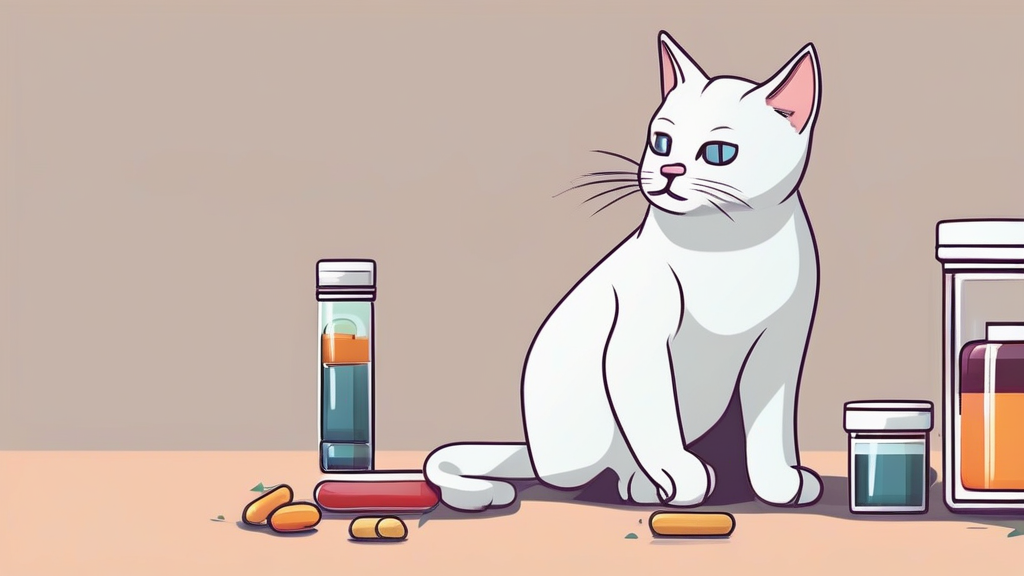
Post a Comment for "Nutritional Supplements for Anxious Kittens: What the Research Says"