Integrating Visual Anchors into Your Kitten’s Mealtime Routine
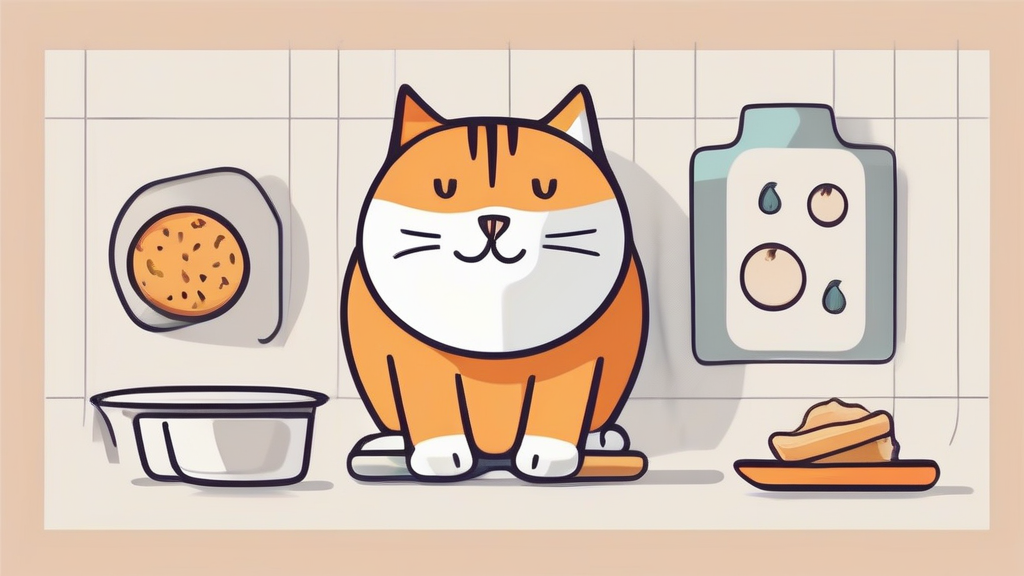
Mastering The Feline Focus Method: How to Train Your Kitten Using Visual Anchors is a surefire way to build a calm, predictable relationship with your new furry companion. If you have ever felt like your kitten is bouncing off the walls the moment you reach for the food bag, you are not alone.
Training isn’t just for dogs. Cats, despite their independent reputation, thrive on structure. By using specific visual cues, you can tap into their natural cognitive abilities to make mealtime a peaceful event rather than a chaotic scramble.
- Visual anchors act as clear, consistent signals that bridge the gap between human intent and feline understanding.
- Consistency is the secret sauce; using the same color, shape, or placement every time prevents confusion and reduces anxiety.
- Positive reinforcement coupled with visual markers helps your kitten associate specific objects with the reward of food.
Understanding the Feline Focus Method: How to Train Your Kitten Using Visual Anchors
Most pet owners treat feeding time as a simple transaction. You fill the bowl, they eat, and everyone moves on. However, this misses a massive opportunity for bonding and behavioral development. When we talk about visual anchors, we are referring to static objects—like a specific placemat, a colored coaster, or a distinct light pattern—that serve as a precursor to the act of eating.
Kittens are highly observant creatures. They are constantly scanning their environment for patterns. By intentionally introducing a visual anchor, you are essentially "tagging" the mealtime experience. Over time, the sight of this anchor triggers a physiological response in your cat, preparing their digestive system and calming their nervous energy before the first bite is even taken.
Why Visual Anchors Work for Kittens
Cats rely heavily on their acute senses to navigate the world. While we often focus on their hearing or smell, their visual processing is remarkably sharp, especially when it comes to motion and high-contrast shapes. A visual anchor provides a stable point of reference in an otherwise fluid environment.
Think of it as a lighthouse for your kitten. In a busy household with kids, other pets, or general noise, the anchor stands out as the singular truth. When the anchor appears, the kitten knows that safety, sustenance, and routine are guaranteed. This predictability is vital for developing a well-adjusted adult cat.
Setting Up Your First Visual Anchor
You don't need a degree in animal behavior to get started. In fact, the simpler, the better. Start by selecting a unique item that will be used exclusively for mealtime. A vibrant, non-slip silicone mat is a popular choice because it is easy to clean and provides high contrast against the floor.
Once you have chosen your item, consistency becomes your new best friend. Do not move the anchor around the house. If you feed your kitten in the kitchen corner, that is where the anchor stays. The goal is to build a strong neural association: Anchor = Food. Any deviation in the early stages will only dilute the learning process.
The Step-by-Step Implementation
Begin by placing the anchor down exactly 30 seconds before you serve the meal. This creates a "loading period" where the kitten observes the object. If they approach the anchor, offer a soft verbal cue or a gentle pat. Once the food is placed on or near the anchor, let them eat undisturbed.
Repeat this for every single meal. Within a week, you will likely notice your kitten heading toward the anchor the moment it touches the floor. This is the moment you know the method is working. You have successfully created a visual trigger that commands their focus.
Advanced Tips for Long-Term Success
Once your kitten is reliably associating the anchor with food, you can start to refine the process. Maybe you want to introduce a specific sound alongside the visual anchor. While the visual element remains the primary focus, the auditory cue serves as a secondary reinforcement, making the routine even more robust.
Remember, the goal is to reduce stress. If your kitten seems hesitant or distracted, go back to basics. Do not rush the process. Some kittens learn in three days; others might take two weeks. Patience is the ultimate tool in any training regimen, and your cat will sense your frustration if you try to force the pace.
Troubleshooting Common Roadblocks
What happens if your kitten starts ignoring the anchor? Usually, this is because the environment has become too chaotic. If there is loud music or constant foot traffic near the feeding station, the anchor loses its effectiveness as a "focus point." Clear the area of distractions during the transition phase.
Another common issue is "anchor creep." This happens when you start moving the mat to different rooms or forgetting to put it down consistently. If you break the pattern, you break the association. Keep the anchor in its designated spot, even if you are in a rush. If you must travel, bring the anchor with you to maintain the sense of stability for your cat.
Refining the Routine for Adult Life
As your kitten grows, the importance of this routine doesn't fade—it evolves. An adult cat that is accustomed to visual cues is much easier to manage during stressful events like house guests, moving homes, or vet visits. You have essentially built a portable "safe zone" that they carry in their memory.
You can even expand the use of anchors to other areas of life. Use a specific blanket for grooming or a particular toy for play sessions. By training your cat to recognize these visual signals, you are giving them a language to communicate with you. It transforms the relationship from one of simple ownership to a partnership based on clear, shared expectations.
Frequently Asked Questions (FAQ)
Can I use multiple visual anchors for different types of food?
It is generally better to stick to one primary anchor for main meals to avoid confusion. If you want to train for treats, use a different, distinct anchor, but keep the main meal anchor consistent to maintain the core routine.
What if my kitten is too excited and ignores the anchor?
If your kitten is frantic, try placing the anchor down and waiting until they sit or pause before putting the food down. This teaches them that the anchor is a signal to wait, not just a signal that food is coming.
Does the color or shape of the anchor matter?
While cats see color differently than humans, they are very good at spotting contrast. A bright, solid-colored mat or a distinct shape that stands out against your flooring works best. Avoid patterns that blend into your floor.
Implementing this method is a rewarding journey that pays dividends in your cat's behavior and your own peace of mind. Start today by picking your anchor, staying consistent, and watching as your kitten transforms mealtime into a calm, focused, and happy ritual. Your cat will thank you for the clarity, and you will enjoy a much more harmonious home.
Post a Comment for "Integrating Visual Anchors into Your Kitten’s Mealtime Routine"