Top-Rated Automatic Kitten Feeders for Consistent Meal Schedules
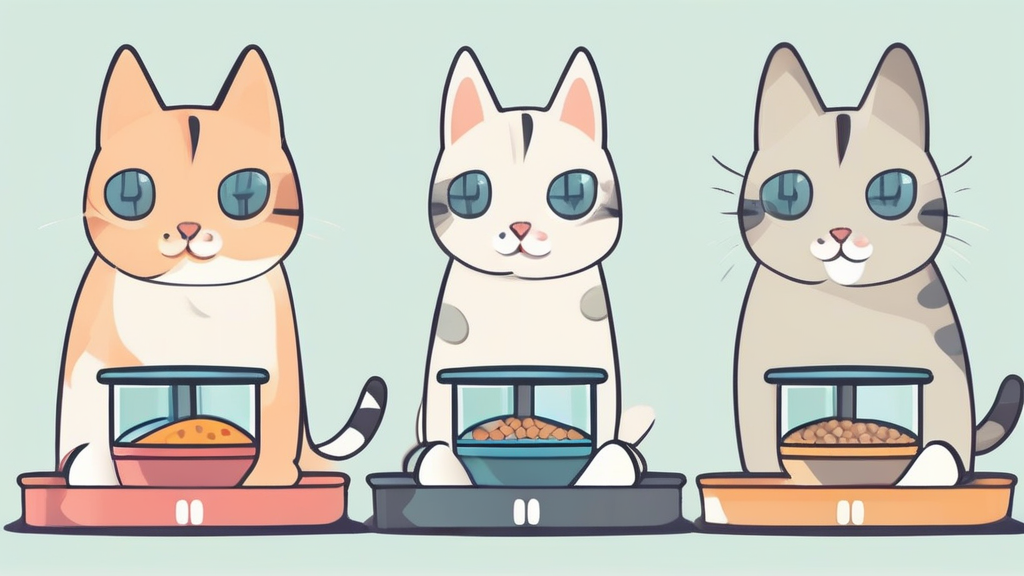
When you bring a tiny, mewing furball into your home, you are essentially engaging in Nutritional Architecture: Building a Long-Term Health Foundation for Kittens. Establishing a consistent feeding routine is the single most effective way to ensure your new companion grows into a strong, healthy adult cat.
I remember when I first adopted my tabby, Luna. I thought free-feeding was the way to go, but I quickly realized that kittens need structure to thrive. That is exactly why I turned to technology to help me manage her growth.
- Consistent meal timing prevents obesity and stabilizes metabolic health.
- Automatic feeders remove the stress of rigid human schedules.
- Portion control is the cornerstone of lifelong wellness for growing pets.
Why Consistency Matters for Your Kitten
Kittens have incredibly fast metabolisms and tiny stomachs. They cannot handle large, sporadic meals like an adult cat might eventually manage. By providing small, frequent feedings, you support their rapid development and keep their energy levels stable throughout the day.
Think of it as setting the stage for their future. If you feed them whenever they scream, you are inadvertently teaching them that loud behavior equals food. This leads to behavioral issues down the road. An automatic feeder acts as a neutral authority figure, keeping the feeding process objective and calm.
The Science Behind Growth
Proper cat food management during the first six months is critical. During this phase, kittens are building bone density and muscle mass at an alarming rate. If they don't get the right nutrients at the right time, they may suffer from developmental gaps that are hard to fix later.
I have found that using a feeder allows me to measure exactly how much she consumes. If she leaves food behind, I know something might be off. If she is constantly looking for more, I can adjust her portions slightly. It gives me data-driven control over her health.
Evaluating Top-Rated Automatic Feeders
Not all feeders are created equal. When shopping, you need to look for features that prioritize safety and reliability. A jammed feeder can mean a hungry kitten, and that is a scenario no pet parent wants to deal with.
Key Features to Look For
- Portion Precision: Can you set the feeder to dispense as little as 1/8th of a cup?
- Anti-Jam Technology: Does the feeder have a rotating paddle or a sensor to prevent kibble blockages?
- Battery Backup: Power outages happen. Does the unit run on batteries if the electricity cuts out?
- Dish Material: Opt for stainless steel to prevent feline acne, which is common with low-quality plastic bowls.
I personally prefer models that allow for smartphone connectivity. Being able to check if the food was dispensed while I am stuck in traffic provides immense peace of mind. It turns the chore of feeding into a managed system of care.
Nutritional Architecture: Building a Long-Term Health Foundation for Kittens
True health is not just about the quality of the kibble; it is about the delivery system. By automating the process, you create a rhythm that your kitten will come to rely on. This reduces anxiety, as the kitten knows exactly when the next meal is coming.
When you integrate this approach into your daily life, you are doing more than just filling a bowl. You are establishing a baseline for weight management. Statistics show that cats fed on strict schedules are significantly less prone to diabetes and joint issues as they age.
Pro Tip: When introducing a new automatic feeder, leave the old bowl out for a few days alongside the new device. Let your kitten explore the machine while it is turned off so they don't develop a fear of the mechanical noises it makes.
Addressing Common Concerns
Some people worry that an automatic feeder will weaken the bond between them and their cat. In my experience, the opposite is true. Because the machine handles the "boring" parts of the day, our interactions become centered on play, grooming, and cuddles rather than just me being a human vending machine.
You can still hand-feed treats or provide wet food during your evening bonding time. The feeder handles the nutritional heavy lifting, leaving you free to focus on the fun parts of being a pet owner.
Frequently Asked Questions (FAQ)
Can I use an automatic feeder for wet food?
Most standard automatic feeders are designed for dry kibble only. If you need to feed wet food, you must purchase a specialized refrigerated feeder with ice packs to prevent bacterial growth.
How many times a day should a kitten eat?
Kittens under six months old should ideally eat three to four times a day. As they reach adulthood, you can transition to two meals per day, depending on your veterinarian's recommendation.
Will my kitten learn to break into the feeder?
Some clever kittens will try to paw at the exit chute. Look for models with a "tamper-proof" locking lid and a small dispensing opening to keep your persistent little hunter from accessing extra meals.
Investing in a high-quality automatic feeder is one of the smartest moves you can make for your pet's future. Start by choosing a reliable model that fits your space, set your schedule, and watch your kitten thrive under the structure you have provided. Your cat will thank you with years of vibrant, healthy companionship.
Post a Comment for "Top-Rated Automatic Kitten Feeders for Consistent Meal Schedules"