The Joy of Building a Sustainable Catio
Providing
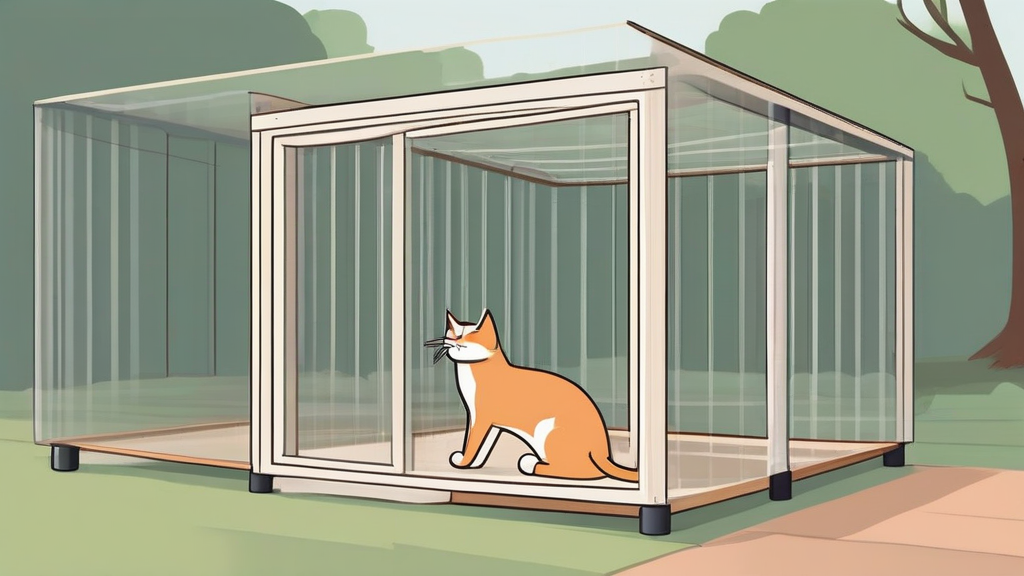
Sustainable Feline Care: Eco-Friendly Habits for New Kitten Owners is a rewarding journey that blends animal welfare with environmental consciousness. When I first brought my rescue kitten home, I was torn between wanting her to experience the sights and sounds of the outdoors and the harsh reality of the risks involved. A catio—an enclosed patio—is the perfect middle ground. It allows your feline friend to enjoy fresh air while keeping local wildlife safe from hunting instincts.
Building one doesn't have to mean buying mass-produced plastic kits that end up in a landfill. By choosing reclaimed materials and natural designs, you create a sanctuary that feels like an extension of your garden. Let’s walk through the steps of creating a space that respects both your cat and the planet.
- Prioritize non-toxic, reclaimed, or sustainably sourced lumber to minimize your carbon footprint.
- Integrate vertical space and natural foliage to mimic a wild environment, which keeps your cat mentally stimulated.
- Ensure your enclosure design prevents escape while maintaining structural integrity against local weather patterns.
Planning Your Eco-Friendly Cat Sanctuary
Before you pick up a hammer, you need a solid plan. Think about where your cat spends most of its time. Is there a window or a sliding door that could serve as the entry point? Placing the structure in a spot that gets morning sun but afternoon shade is ideal for comfort.
Consider the
domestic cat and its natural behaviors. They love to climb, hide, and observe. Your design should reflect these needs by incorporating multi-level platforms. By mapping out your space, you reduce material waste, ensuring you only buy exactly what you need.
Sustainable Feline Care: Eco-Friendly Habits for New Kitten Owners
When you are starting out with a kitten, it is easy to get caught up in buying fancy, disposable toys. Instead, focus on long-term investments. A well-built catio is a pillar of sustainable care. It reduces the need for expensive behavioral training or stress-related vet visits by providing a healthy outlet for energy.
Focus on using untreated cedar or reclaimed wood. These materials are durable and avoid the chemicals found in pressure-treated lumber. Your kitten will spend hours scratching and climbing, so using safe materials is non-negotiable.
Selecting Materials for Your Catio
The secret to a truly green project is the source of your supplies. I always scour local salvage yards for leftover fencing or mesh. High-quality wire mesh is essential for safety, and if you can find it second-hand, you’ve saved it from the scrap heap.
Avoid plastic-coated materials if possible. They eventually degrade and shed microplastics into your garden soil. Instead, opt for galvanized steel wire, which lasts for decades. It is a one-time purchase that keeps your pet secure for their entire life.
The Foundation and Framing
Don't feel like you need a concrete slab. A foundation made of gravel or permeable pavers allows rainwater to soak into the ground, keeping your garden ecosystem healthy. This is a simple way to practice better land stewardship.
For the frame, consider using bamboo or FSC-certified wood. These materials grow quickly and are far more sustainable than old-growth timber. Use screws instead of nails to allow for easy repairs or deconstruction later on.
Enrichment Through Natural Design
A catio shouldn't just be a cage; it should be a sensory playground. I love incorporating cat-safe plants like cat grass or catnip directly into the enclosure. These plants act as natural air purifiers and offer a nibble for your cat.
Always check the
list of poisonous plants before adding any greenery to your catio. Some common garden plants are toxic to pets, so research is your best friend. Adding a small water feature, like a slow-dripping fountain, also adds a calming sound that makes the space feel like a true oasis.
Maintaining Your Sustainable Space
Once the build is finished, maintenance is straightforward. Keep the enclosure clean by using vinegar-based solutions rather than harsh chemical cleaners. This keeps the environment safe for your cat and prevents runoff from harming your lawn.
Check the mesh and joints twice a year. Tightening a loose screw or patching a small gap in the wire takes minutes but keeps your pet safe. This proactive approach is the essence of responsible, eco-friendly pet ownership.
Frequently Asked Questions (FAQ)
How much does it cost to build a sustainable catio?
The cost varies based on whether you use reclaimed materials or buy new. By sourcing second-hand wood and wire, you can build a decent-sized enclosure for under $200.
Can I build a catio if I live in an apartment?
Yes, window-mounted catios are a fantastic alternative. These are smaller, modular boxes that attach to a window frame, providing your cat with a view and fresh air without needing a backyard.
How do I keep my cat safe from predators?
Use high-quality, gauge-tested steel mesh. Ensure the floor of the catio is either buried or reinforced with wire so that digging predators cannot gain access from underneath.
Building a catio is more than just a weekend DIY project; it is a commitment to a better quality of life for your pet. You are essentially giving them the world while keeping them safe at home. Start small, use what you have, and watch your kitten thrive in their new, eco-friendly sanctuary. Your cat will thank you, and the planet will too.
Post a Comment for "How to Build a Sustainable Indoor-Outdoor Cat Enclosure (Catio)"