Ethically Sourced Kitten Furniture: Brands That Prioritize Planet and Pet
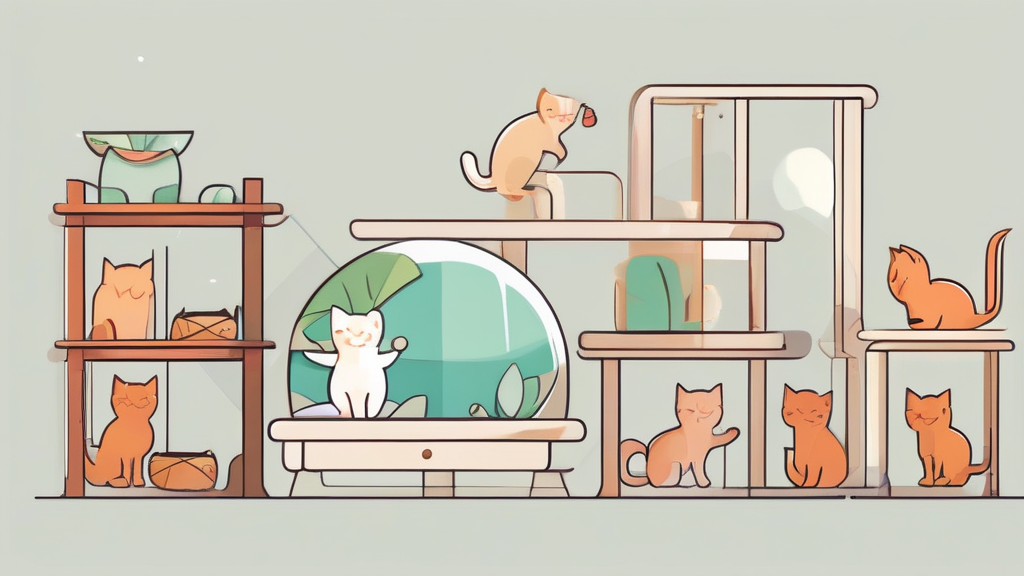
Adopting a new pet is a life-changing experience, but it also brings a responsibility to practice Sustainable Feline Care: Eco-Friendly Habits for New Kitten Owners that minimize your household's environmental footprint. As a cat parent, I know the urge to spoil a new arrival with every toy and tower in sight, yet the traditional pet industry is often riddled with non-recyclable plastics and unsustainable manufacturing.
Making conscious choices now sets a precedent for your kitten’s entire life. By choosing furniture crafted from renewable materials, you ensure your home stays healthy while supporting ethical production methods.
- Prioritize furniture made from FSC-certified wood, recycled cardboard, or organic sisal to reduce chemical exposure and waste.
- Look for brands with transparent supply chains that verify fair labor practices and carbon-neutral shipping options.
- Invest in durable, modular cat trees that can be repaired or upgraded, preventing the need for frequent replacements that end up in landfills.
Why Sustainable Feline Care Matters for Your Home
When you bring a kitten into your home, you are introducing a creature that spends nearly two-thirds of its life sleeping and the rest of its time scratching, pouncing, and exploring. If the furniture they interact with is coated in toxic glues or treated with harsh flame retardants, they are breathing those chemicals in daily. Domestic cats are highly sensitive to their environment, making the quality of their gear a health issue, not just an aesthetic one.
Choosing eco-friendly products is also about the bigger picture. Many mass-produced cat trees are made of cheap particleboard held together with toxic formaldehyde. These items are rarely recyclable, meaning they eventually break and become permanent trash. By shifting your mindset toward sustainable consumption, you reduce the demand for these harmful goods and encourage the market to innovate toward greener solutions.
The Environmental Impact of Mass-Produced Pet Gear
Have you ever noticed how quickly a standard cat condo starts to fray? Many budget-friendly options are designed with planned obsolescence in mind. They use synthetic carpets made from petroleum-based fibers that shed microplastics into your home as your kitten scratches. These tiny fibers are then ingested by your cat during grooming sessions.
Beyond the home, the shipping of heavy, low-quality furniture across the globe creates a massive carbon footprint. Opting for brands that manufacture locally or use flat-pack designs significantly reduces the energy required to get that cat tree from the factory floor to your living room. It is a simple shift that pays dividends for the planet.
What to Look for in Ethically Sourced Kitten Furniture
Identifying truly sustainable brands requires looking past the "greenwashing" that plagues the pet industry. Just because a label says "natural" does not mean it is truly sustainable. You need to look for specific certifications that hold companies accountable for their environmental claims.
First, check the materials. Solid wood, untreated sisal, and organic cotton are the gold standards. If you see cardboard, ensure it is made from post-consumer recycled paper. These materials are biodegradable, meaning they won't sit in a landfill for centuries if they eventually wear out.
Key Features of Ethical Cat Towers
When shopping, focus on modularity. A great cat tree is one where you can replace the scratching post segment without tossing the entire structure. This longevity is the hallmark of true sustainability. Additionally, consider the adhesives used. Brands that use non-toxic, water-based glues are much safer for your kitten's respiratory system and overall health.
Pro Tip: If a brand doesn't list the exact materials used in their fabric or adhesive, don't be afraid to email their customer support. Truly ethical companies are always happy to share their sourcing details.
Top Brands Leading the Way in Sustainable Feline Care
Finding companies that actually walk the walk can be a challenge. I have spent years testing products, and a few stand out for their commitment to both the planet and our feline companions. These brands prove that you don't have to sacrifice style or function to be an eco-conscious cat owner.
Modular and Recycled Solutions
Several smaller, independent manufacturers now offer cat furniture made from recycled corrugated cardboard. These designs are often sleek, modern, and highly attractive to kittens who love the texture for scratching. Because they are lightweight and made from paper, they are easily recycled at the end of their life cycle.
Other companies focus on "heirloom" cat furniture. These are pieces made from high-quality, reclaimed wood that look like fine furniture rather than eyesores. While the upfront cost is higher, the durability means you might never have to buy another cat tree again. This represents the pinnacle of Sustainable Feline Care: Eco-Friendly Habits for New Kitten Owners.
Integrating Eco-Friendly Habits into Your Daily Routine
Furniture is only one piece of the puzzle. Once you have set up your sustainable kitten oasis, maintain those habits through your daily care routine. Think about the toys you buy, the litter you use, and the way you dispose of waste. Small changes aggregate into a significant positive impact over time.
Use natural fiber toys instead of plastic ones. Look for litter made from sustainable sources like wheat, wood pellets, or recycled paper rather than strip-mined clay. These choices keep your kitten away from synthetic chemicals and support sustainable agriculture and forestry practices.
Conclusion
Choosing furniture for your new kitten is a chance to vote for the kind of world you want to live in. By prioritizing ethically sourced, sustainable products, you are protecting your pet from toxins and reducing your household's waste. It takes a bit more effort to research brands and look beyond the big-box retailers, but the peace of mind is worth it. Your kitten gets a safe, high-quality environment to grow up in, and you get the satisfaction of knowing you have made the best possible choice for the planet. Start small, be intentional, and enjoy the journey of raising your new companion in a home that values sustainability.
Frequently Asked Questions (FAQ)
Are cardboard cat trees actually durable enough for kittens?
Yes, high-quality recycled cardboard structures are surprisingly sturdy. They are designed to withstand intense scratching and jumping, and since they are lightweight, they are easy to move. When they finally wear out, they are 100% recyclable.
How can I tell if a cat furniture brand is greenwashing?
Look for concrete certifications like FSC (Forest Stewardship Council) for wood or GOTS (Global Organic Textile Standard) for fabrics. Avoid brands that use vague buzzwords like "eco-friendly" or "all-natural" without providing specific details about their manufacturing process or supply chain.
Is sustainable cat furniture always more expensive?
While the initial price might be higher than mass-produced, low-quality alternatives, sustainable furniture is often more cost-effective in the long run. Because it is built to last and features modular, replaceable parts, you avoid the cycle of constant repurchasing that comes with cheap, disposable pet gear.
Post a Comment for "Ethically Sourced Kitten Furniture: Brands That Prioritize Planet and Pet"