Scripting for Paws: The Ultimate Guide to Writing Cat-Centric Animations
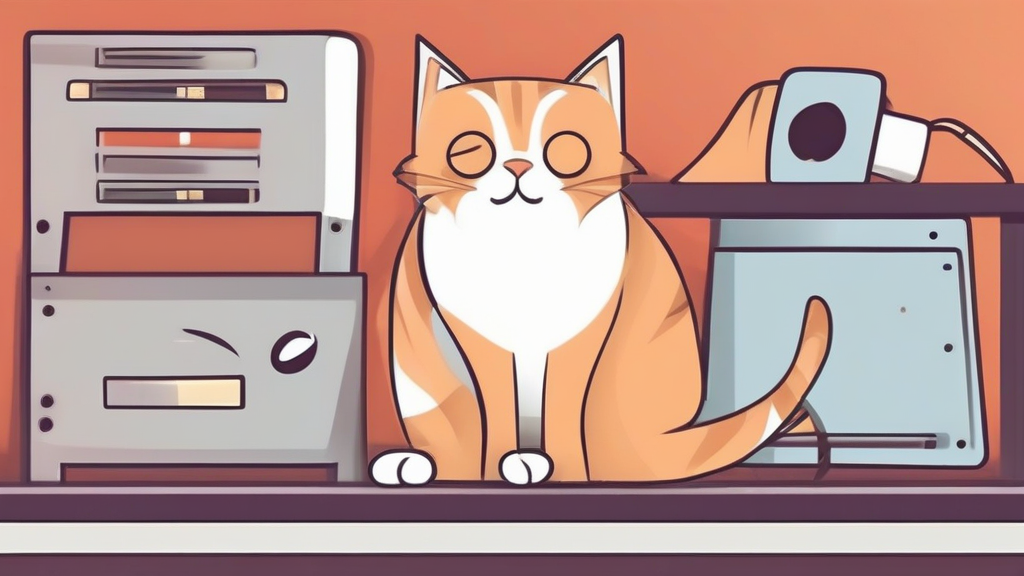
Mastering Scripting for Paws: How to Write Engaging Narratives for Cat Animations is a unique challenge that balances feline behavioral quirks with compelling storytelling.
I have spent years observing my own whiskered companions and translating their chaotic energy into storyboard sequences. Whether you are creating a short film for social media or a series for a brand, the secret lies in understanding the nuance of the domestic cat.
- Character motivation must align with feline instincts—prioritize curiosity, comfort, and the hunt.
- Visual storytelling outweighs dialogue; show the cat's personality through movement rather than words.
- Pacing is everything; use the "stop-and-start" rhythm of a cat to build suspense or comedic timing.
Understanding Feline Psychology in Animation
Cats are not just small dogs. If you write them as such, your audience will instantly lose interest. They are independent, enigmatic, and frequently operate on a logic that seems entirely alien to us humans.
The Art of Observation
Before putting pen to paper, spend a week watching how your subject moves. Notice the subtle twitch of an ear or the specific way a tail lashes when they are annoyed. These micro-gestures are the backbone of high-quality animation.
When you write your script, focus on the nonverbal communication. A cat's silence is often more powerful than any voice-over you could provide. Let their body language dictate the emotional stakes of the scene.
Balancing Instinct and Personality
Every cat character needs a "hook." Is your cat a grumpy intellectual, or a hyperactive kitten who thinks they are a ninja? Start with a base personality, then layer on the instincts. A ninja cat might be brave, but even the bravest cat will bolt if a cucumber appears out of nowhere.
Pro-tip: Use the environment to force character choices. If the cat is hungry, don't have them ask for food. Have them orchestrate a complex heist to reach the treat jar on the counter. This shows, rather than tells, their cunning nature.
Scripting for Paws: How to Write Engaging Narratives for Cat Animations
When you sit down to write, structure is your best friend. Even in short-form content, you need a beginning, a middle, and a resolution. The most effective narratives for cats usually revolve around a singular, high-stakes goal.
The Three-Act Feline Structure
Start with the "Inciting Incident." Maybe the sunbeam moves, or the red dot appears on the wall. This is the catalyst that disrupts the cat's otherwise perfect nap.
The "Rising Action" involves the cat's attempts to solve the problem. This is where you inject humor. Let them fail in creative, physics-defying ways. Remember, cats are liquid; use that to your advantage in your animation frames.
Finally, the "Resolution" doesn't need to be a grand victory. Sometimes the best ending is the cat simply giving up and going to sleep. It reinforces their nonchalant attitude and provides a satisfying bookend to the chaos.
Technical Tips for Screenwriters
Formatting your script correctly is essential if you are working with a team of animators. Keep your scene descriptions punchy and visual. If you are writing for a silent animation, use your sluglines to set the mood of the room.
Keep the Dialogue Minimal
If your cats talk, keep it brief. Nothing ruins a good cat animation faster than a chatty protagonist. The charm of a feline character is in their mysterious, internal monologue that we can only guess at.
Effective scripting tip: Use the "Rule of Three" for comedic beats. The cat tries to jump on the table once and fails. They try again and fail harder. By the third time, they should either succeed through sheer absurdity or give up with a look of total disdain.
Common Pitfalls to Avoid
Avoid making your cat too "human." If you give them a job, a car, or a smartphone, you are moving away from the charm of the animal and into a generic character trope. Keep the world grounded in the perspective of a creature living in a human-sized house.
Another mistake is ignoring the weight of the cat. An animated cat should feel heavy when it lands and light when it pounces. If your script calls for a high jump, describe the tension in the legs before the launch. This helps your animators understand the physics required for the shot.
Refining Your Narrative Flow
Once your draft is complete, read it aloud. Does it have a rhythm? Cat movements are rhythmic—they stalk, they pause, they pounce. Your script should mirror this tempo.
If a scene feels sluggish, cut the dialogue. If a scene feels chaotic, add a moment of stillness. The contrast between high-energy play and profound laziness is where the heart of your story lives.
Frequently Asked Questions (FAQ)
How do I make an animated cat look realistic?
Focus on weight and intent. Study reference videos of real cats to understand how their center of gravity shifts during a jump or a stalk. Realistic animation isn't just about textures; it's about the physics of the movement.
Should I use voice-overs for my cat characters?
Only if it adds to the humor. Often, a cat’s internal thoughts are funnier when conveyed through expressive eyes and body language rather than spoken words. If you do use voice-overs, keep them dry and understated.
What is the best length for a cat-centric animation?
For social media, 15 to 30 seconds is the sweet spot. It allows for a quick setup, a funny complication, and a punchy ending without losing the viewer's attention. For longer narratives, ensure you have a clear emotional arc.
Post a Comment for "Scripting for Paws: The Ultimate Guide to Writing Cat-Centric Animations"