Hydration Architecture: Why Your Kitten Needs a Water Fountain
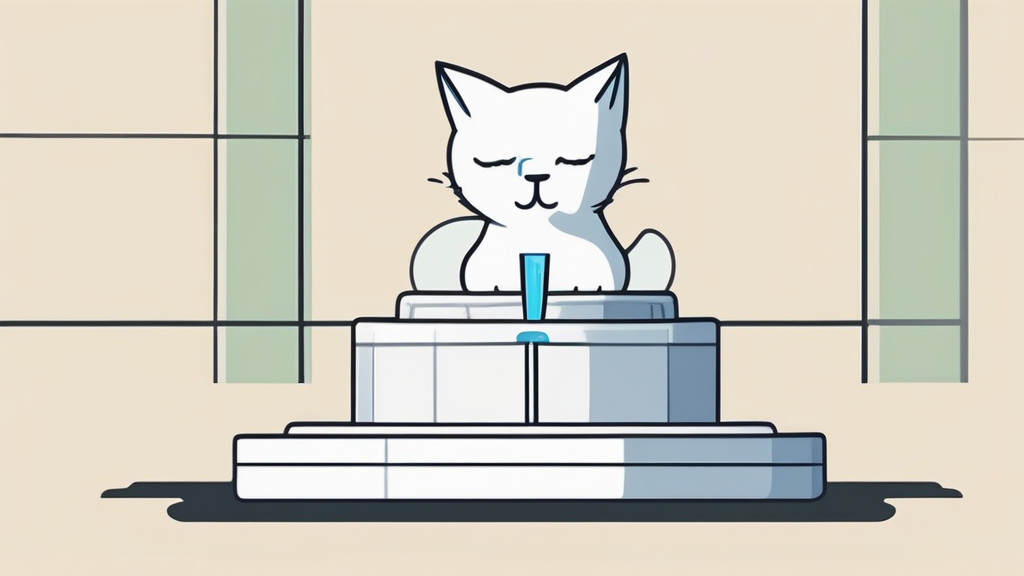
Understanding Hydration Architecture: Building a Long-Term Health Foundation for Kittens
When we talk about Nutritional Architecture: Building a Long-Term Health Foundation for Kittens, we often focus exclusively on the protein content of their kibble or the quality of their wet food. However, true wellness goes beyond what is in the bowl; it is about how they consume their most vital nutrient: water. If you have ever watched a kitten play, you know they are curious, energetic, and sometimes a bit chaotic. Keeping them hydrated is a cornerstone of their development.
Most kittens are notoriously bad at drinking enough water from a standard bowl. In the wild, cats rely on their prey for moisture, but in our homes, they need a little encouragement. This is where the concept of "hydration architecture" comes into play. It is about designing an environment that makes drinking water an instinctual, appealing, and frequent habit rather than an afterthought.
- Hydration is the silent partner to nutrition; without adequate water, your kitten cannot properly process the nutrients in their high-quality diet.
- Flowing water triggers a feline's natural prey drive and curiosity, significantly increasing daily intake compared to stagnant bowl water.
- Investing in a fountain early on prevents common urinary and kidney issues, setting the stage for a healthier adult cat.
Why Stagnant Water Bowls Fail Your Kitten
Think about your own habits. Would you prefer a glass of water that has been sitting on the counter for two days, collecting dust and floating hair, or a crisp, chilled glass from the fridge? Cats are incredibly fastidious creatures. Their survival instincts are hardwired to view stagnant water as a potential source of pathogens or bacteria. When a bowl sits out, it quickly becomes contaminated with saliva, dust, and food particles.
Kittens, in particular, are prone to "whisker fatigue." If a bowl is too deep or narrow, their sensitive whiskers brush against the sides with every sip. This can be stressful or even painful for a growing cat. A water fountain, by contrast, provides a wide, open surface area that respects their anatomy. It mimics the movement of a stream, which is the only type of water source a cat truly trusts in the wild.
The Role of Nutritional Architecture: Building a Long-Term Health Foundation for Kittens
We need to stop viewing water as a separate entity from food. Proper Nutritional Architecture: Building a Long-Term Health Foundation for Kittens requires a holistic approach. If your kitten eats a dry, nutrient-dense diet but lacks the hydration to flush their system, you are essentially setting them up for future health complications. Chronic dehydration in cats is a leading cause of feline lower urinary tract disease.
By integrating a fountain into your home, you ensure that your kitten is getting the moisture they need to support healthy kidney function. Think of the fountain as an insurance policy for their long-term health. It is one of the simplest, yet most effective, tools you can use to protect their fragile internal systems while they are still developing.
The Science of Flow: Why Movement Matters
Have you ever noticed your cat trying to drink from a dripping faucet or a running shower? This isn't just a quirky behavior; it is a biological imperative. Cats possess a highly acute sense of smell and sight. They can detect the movement of water from a distance, which signals to them that the source is fresh and safe to drink.
A fountain utilizes a pump to circulate water through a filtration system. This constant motion keeps the water oxygenated and cool. Unlike a bowl, where water temperature rises to match the ambient room temperature, a fountain keeps the water temperature consistent and refreshing. It is a sensory experience that encourages your kitten to return to the fountain multiple times throughout the day.
Selecting the Right Fountain for Your Growing Kitten
Not all fountains are created equal. When shopping for your kitten, prioritize materials that are easy to clean. Plastic can harbor bacteria in tiny scratches over time, which can lead to feline acne. Stainless steel or ceramic are much better choices because they are non-porous and dishwasher safe.
Maintenance is another factor to consider. You will need to clean the pump and replace the filters regularly. If the fountain is too difficult to take apart, you won't do it as often as you should. Find a design that is simple, sleek, and quiet. If the motor is loud, your kitten might be spooked by it, which defeats the entire purpose of the purchase.
Establishing Healthy Habits Early
Introducing a fountain when your cat is a kitten is much easier than trying to change an adult cat's habits. Kittens are in a phase of rapid development where they are learning what is safe and what is part of their territory. By placing the fountain in a low-traffic area, away from their food bowl and litter box, you provide them with a "safe zone" for hydration.
It is important to remember that cats are sensitive to the location of their water. In the wild, they avoid drinking near where they kill their prey to prevent contamination. While our indoor cats don't have this exact concern, the instinct remains. Placing the water source a few feet away from their food can significantly increase their interest in drinking.
Addressing Common Concerns
Many owners worry about the noise or the electrical safety of a fountain. Modern pet fountains are designed with low-voltage pumps that are incredibly quiet. Most are virtually silent, producing only a soft, soothing hum that many cats find comforting. As for safety, these units are specifically engineered for pet use, meaning they are durable and resistant to the occasional "kitten attack."
If your kitten is hesitant at first, don't worry. It is normal for them to be cautious of new objects. You can leave a regular bowl out alongside the fountain for a few days until they get used to the movement. Eventually, their natural curiosity will win, and they will start exploring the flowing water. Once they realize how much better it tastes, they rarely go back to the bowl.
Conclusion
Investing in your kitten's hydration is just as important as choosing the right vet or the right brand of food. By viewing water intake as a core component of their overall health strategy, you are actively participating in their long-term vitality. A fountain isn't just a fancy accessory; it is a functional tool that promotes wellness, encourages natural behavior, and keeps your kitten happy and hydrated.
Start small, choose a high-quality fountain, and watch your kitten thrive. You will find that as they grow, they become more robust, energetic, and healthy. After all, the best way to show your love is to provide them with the best foundation possible. Cheers to a lifetime of purrs and perfectly hydrated health.
Frequently Asked Questions (FAQ)
Is a water fountain really necessary for a kitten?
While not strictly "necessary" for survival, a water fountain is highly recommended. It encourages increased water intake, which is vital for preventing urinary tract issues and supporting kidney health, especially in cats who prefer fresh, moving water.
How often should I clean the kitten water fountain?
You should aim to rinse the fountain and change the water every two to three days, with a deep scrub and filter change every two weeks. This prevents biofilm buildup and keeps the water tasting fresh for your cat.
Will the noise of a fountain scare my kitten?
Most high-quality fountains are designed to be nearly silent. If you are worried, look for models specifically marketed as "ultra-quiet." Most kittens actually find the gentle sound of running water to be soothing and stimulating rather than frightening.
Post a Comment for "Hydration Architecture: Why Your Kitten Needs a Water Fountain"