DIY Kitten Meal Prep: Is Home-Cooked Worth the Risk?
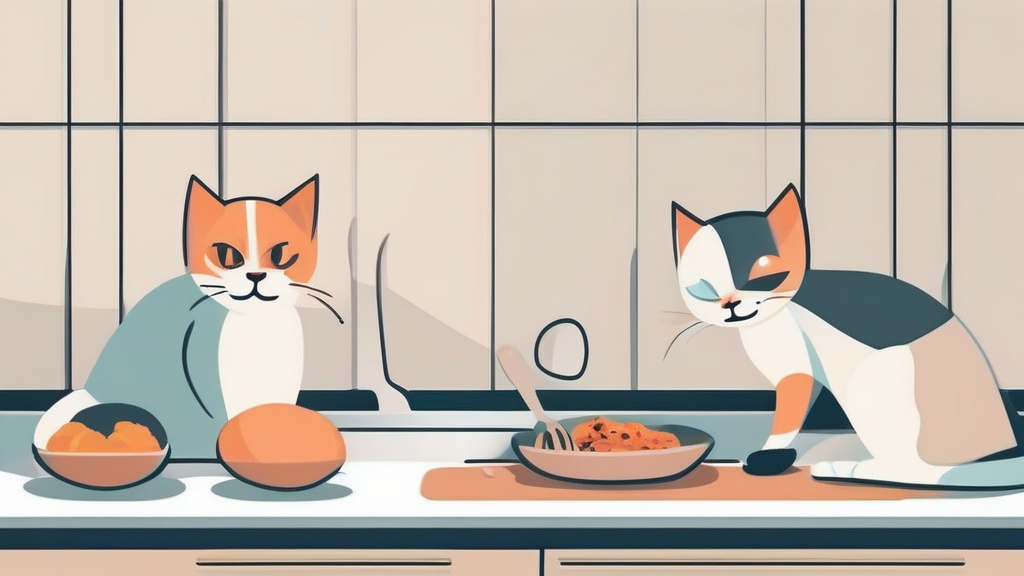
When you bring a tiny, mewling ball of fur into your home, nutritional architecture: building a long-term health foundation for kittens becomes your most critical job as a pet parent. We all want the best for our feline companions, and the idea of preparing fresh, wholesome meals at home sounds like the ultimate act of love. But before you clear out your pantry to make room for raw chicken hearts and taurine supplements, we need to talk about the reality of feline biology.
- Kittens have specific, non-negotiable requirements for calcium, phosphorus, and essential amino acids that differ significantly from adult cats.
- Imbalanced homemade diets often lead to severe skeletal deformities or organ failure during the rapid growth phase.
- Consulting a board-certified veterinary nutritionist is mandatory if you choose to bypass commercial kitten formulas.
The Complexity of Feline Nutritional Architecture
Cats are obligate carnivores, which means they are hardwired to thrive on a diet consisting almost exclusively of animal tissue. Unlike dogs, who can tolerate a wider variety of plant-based fillers, cats require a very specific profile of nutrients that are only bioavailable in meat. When you talk about nutritional architecture: building a long-term health foundation for kittens, you are essentially trying to replicate the complex balance of a whole prey animal.
In the wild, a kitten would eat the muscle, organs, and even the bone of their prey. This provides a perfect ratio of calcium to phosphorus, along with necessary fats and proteins. When we cook for our pets, we often focus on the muscle meat—chicken breast or lean beef—while ignoring the essential micro-nutrients found in organ meats and connective tissues.
Why Growth Phases Are High Stakes
A kitten’s body is a construction site. They are building dense bone structures, developing a complex nervous system, and supporting a rapidly maturing immune system all within the first twelve months of life. If you miss a target during this phase, you cannot simply "fix" it later with a better diet. The damage caused by nutritional deficiencies during development is often permanent.
Many DIY enthusiasts rely on "recipes" found on the internet. Unfortunately, many of these are not backed by scientific trials. A deficiency in taurine, for instance, can lead to irreversible heart disease and blindness. Because kittens grow so quickly, these deficiencies manifest in weeks, not years.
Evaluating the Risks of Homemade Diets
The biggest risk isn't just the food; it's the math. Precision is the difference between a thriving kitten and one that ends up in the emergency clinic. Most home cooks use kitchen scales that aren't calibrated for the micro-gram adjustments required in feline supplementation.
Consider the role of calcium. If you feed your kitten a diet high in meat but low in calcium, their body will leach calcium from their own bones to maintain blood levels. This results in soft, brittle bones that can fracture under the weight of a simple jump. It’s a tragic outcome for a well-intentioned owner.
The Hidden Dangers of Pathogens
If you choose a raw-based homemade diet, you also introduce the risk of foodborne illnesses. Kittens have underdeveloped immune systems compared to adult cats. Bacteria like Salmonella or E. coli, which a healthy adult cat might handle without issue, can be fatal for a three-month-old kitten. Even if the cat stays healthy, they can shed these pathogens, posing a risk to the human members of your household.
How to Approach Homemade Feeding Safely
If you are dead-set on preparing meals, you must stop thinking of it as "cooking" and start thinking of it as "formulating." You need a professional formulation that accounts for the exact age, weight, and activity level of your kitten. Do not use generic recipes.
Work with a veterinary nutritionist to create a balanced plan. They will calculate the exact amount of vitamins, minerals, and amino acids required to ensure your kitten’s growth remains on track. This isn't a "set it and forget it" task; you will need to re-evaluate the recipe every month as your kitten gains weight.
The Role of Supplements
You cannot simply throw a vitamin pill into a bowl of ground beef and call it a day. Supplements must be integrated into the food in a way that ensures the kitten eats the entire portion. If they pick out the meat and leave the powder, they aren't getting the nutrients they need. This is why many experts recommend using a pre-mixed, scientifically formulated nutrient blend designed specifically for homemade feline diets.
Is the Effort Worth the Reward?
There is a undeniable benefit to knowing exactly what your kitten eats. You control the quality of the protein, you avoid unnecessary fillers, and you can tailor the diet to your cat's specific sensitivities. For some owners, this peace of mind is worth the time and financial investment.
However, for the average pet parent, high-quality commercial wet food is often the safer, more reliable choice. Many premium brands have invested millions in research to ensure their formulas meet the AAFCO standards for growth. They have the laboratory equipment to test every batch for nutrient consistency.
Frequently Asked Questions (FAQ)
Can I just feed my kitten plain chicken and rice?
Absolutely not. Plain chicken and rice lacks essential vitamins, minerals, and amino acids like taurine. A diet of only chicken and rice will cause severe health issues and stunted growth within a very short period.
How do I know if my homemade kitten food is balanced?
You cannot know by looking at it. The only way to ensure a homemade diet is balanced is to have a board-certified veterinary nutritionist analyze your specific recipe and the ingredients you are using. Periodic blood work is also necessary to monitor your kitten's internal health markers.
Is raw meat safer than cooked meat for kittens?
Raw meat is not inherently safer and carries a significant risk of bacterial contamination. While some argue that raw diets are more "natural," the risk of pathogens for a developing kitten is high. Always consult your vet about the safety of raw versus cooked preparations for your specific kitten.
Choosing how to feed your kitten is a big decision. If you decide to pursue homemade meals, treat it with the seriousness of a medical protocol. If that sounds like too much, don't feel guilty about choosing a high-quality commercial diet. Your kitten needs you to be present, loving, and reliable—and sometimes, that means letting the professionals handle the chemistry while you handle the playtime.
Post a Comment for "DIY Kitten Meal Prep: Is Home-Cooked Worth the Risk?"